
Last updated November 3, 2026
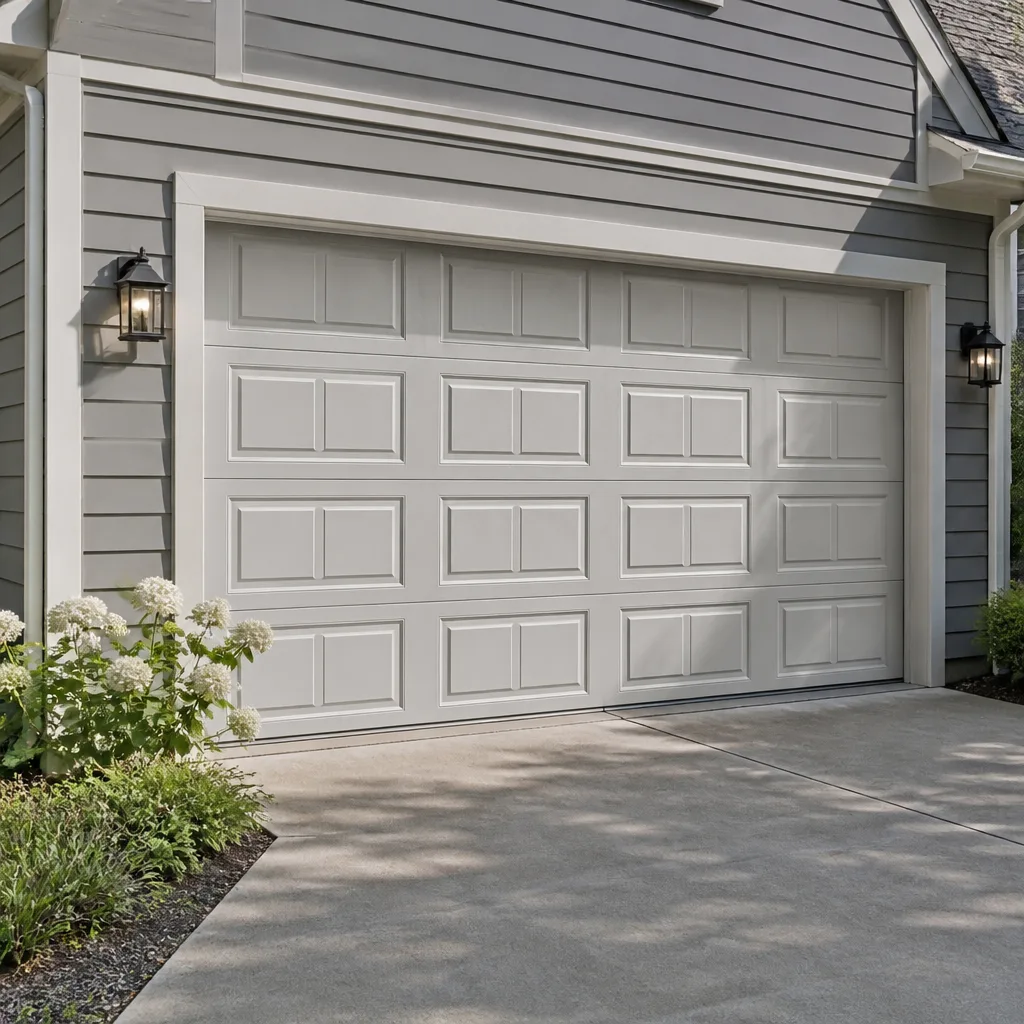 Raised-panel steel
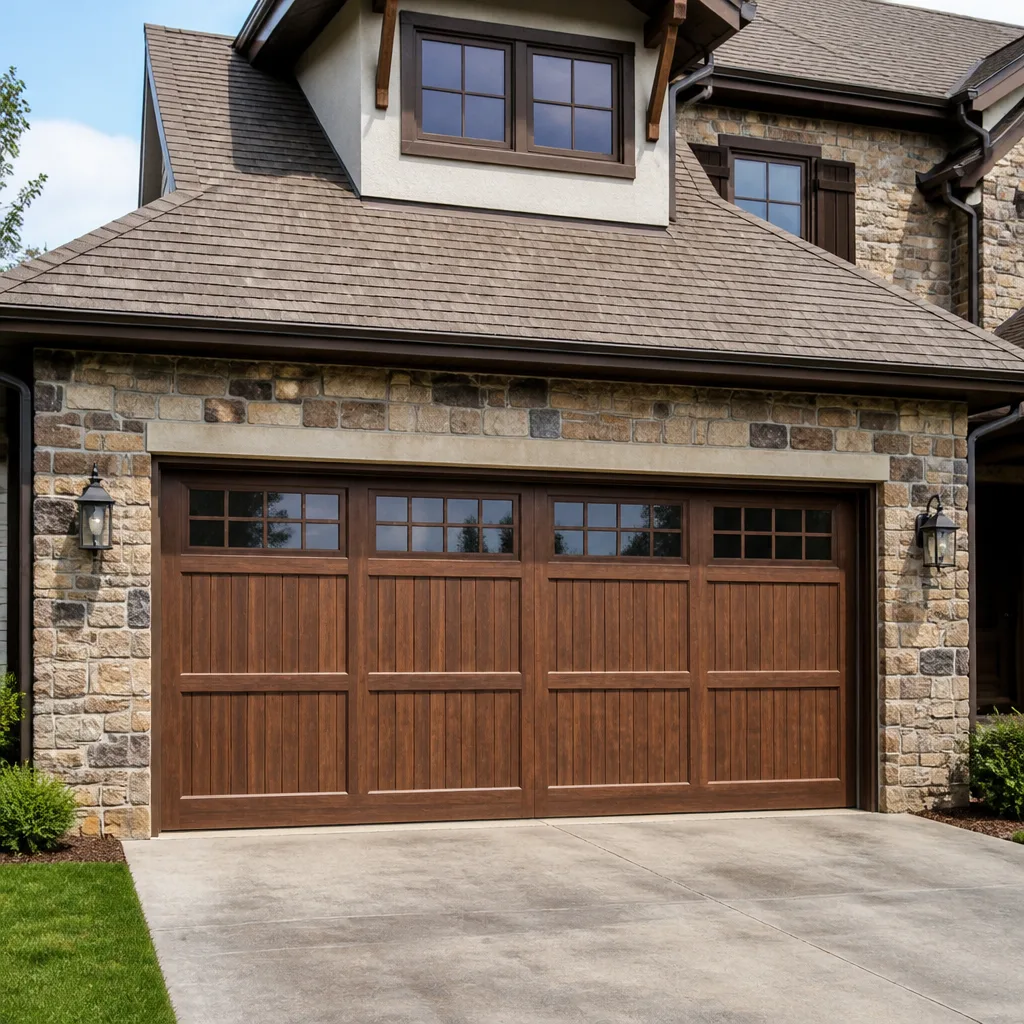 Carriage house
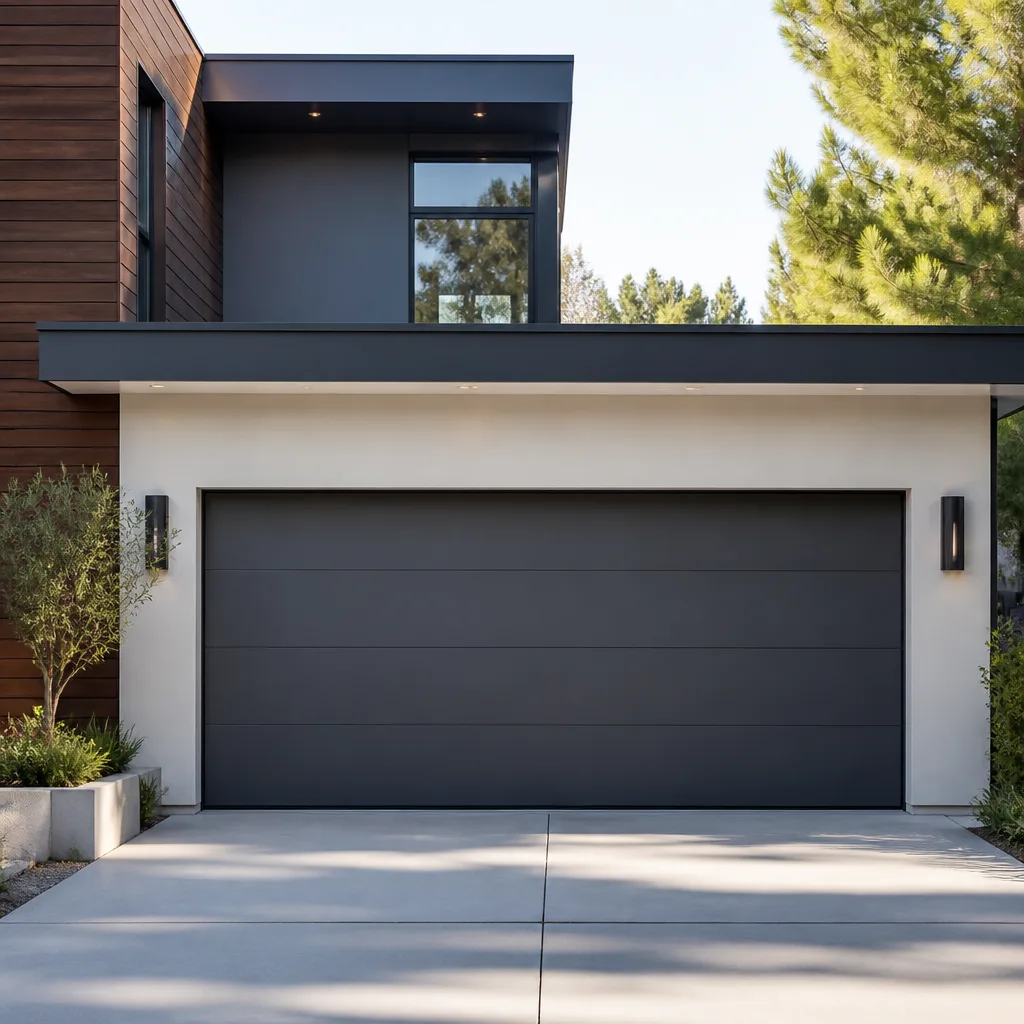 Modern flush
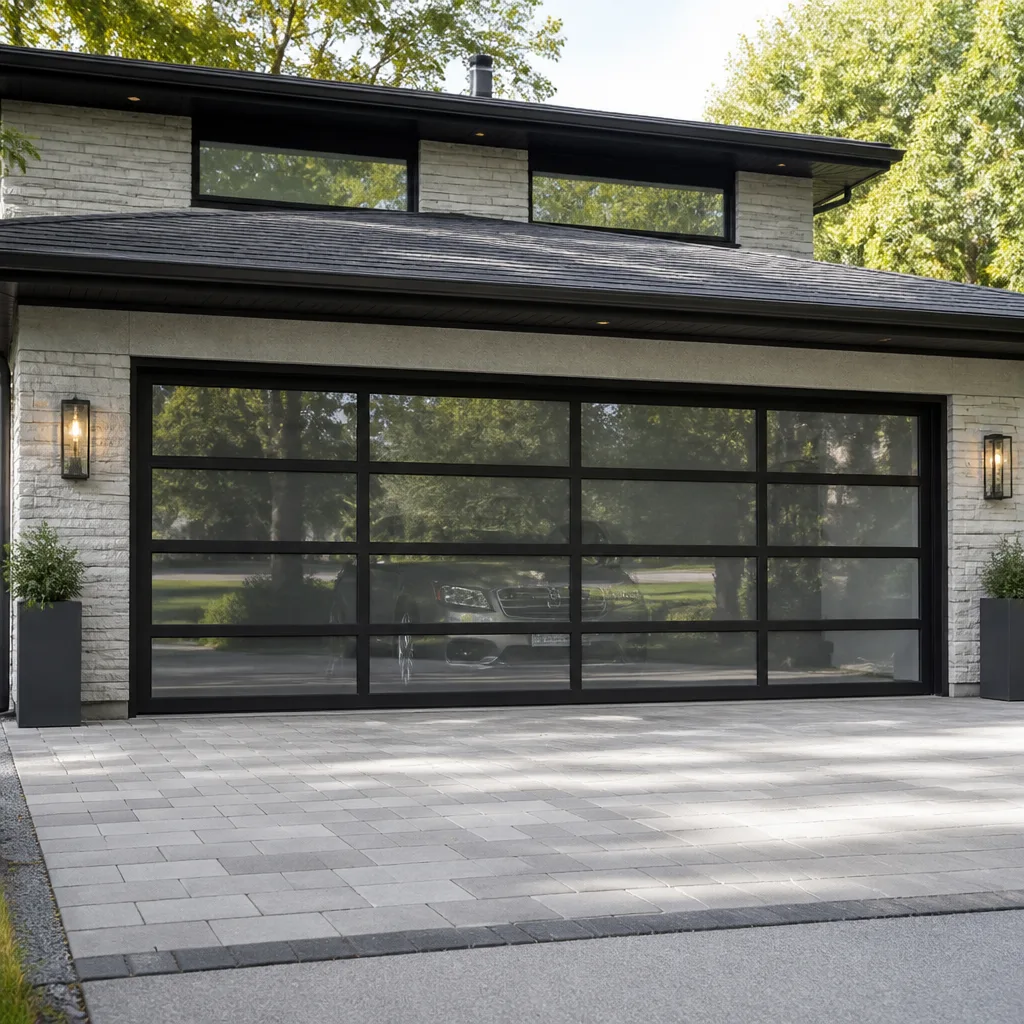 Full-view glass
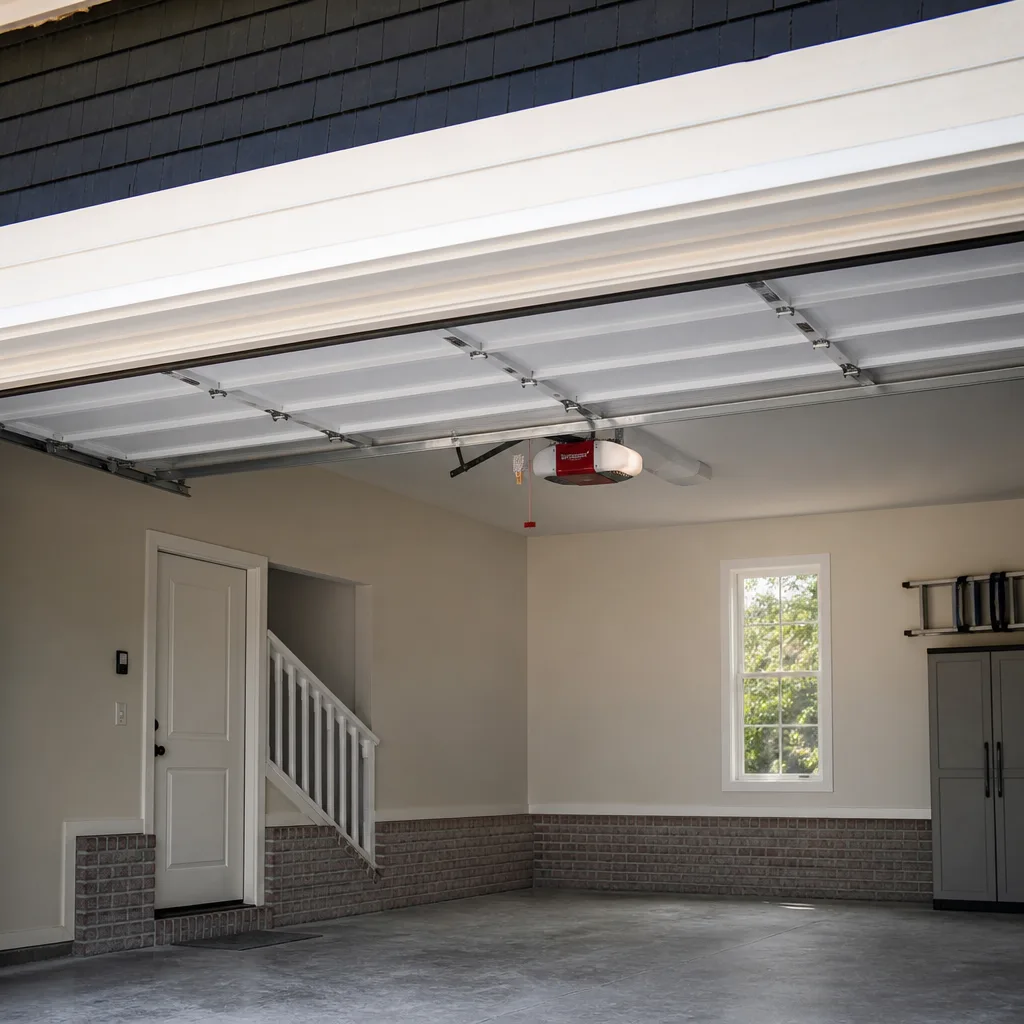 LiftMaster openers
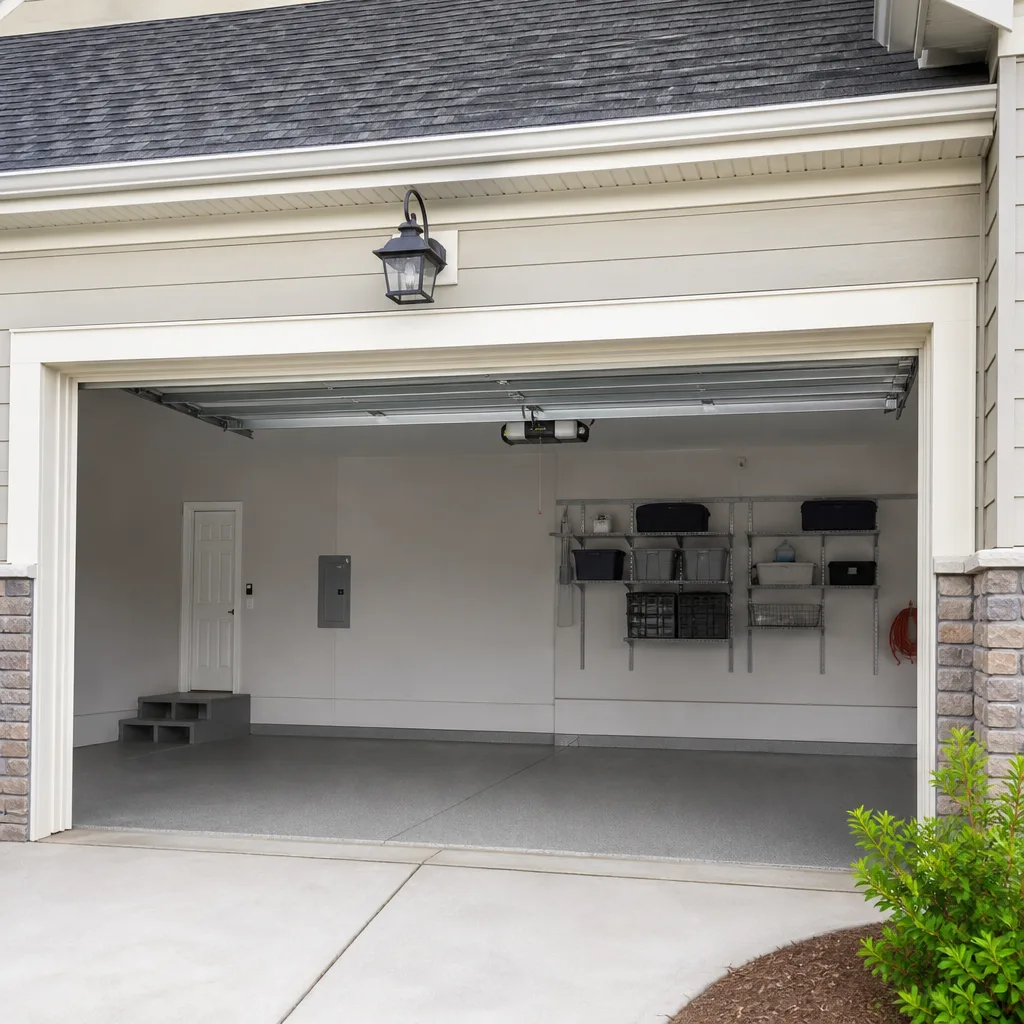 Chamberlain openers
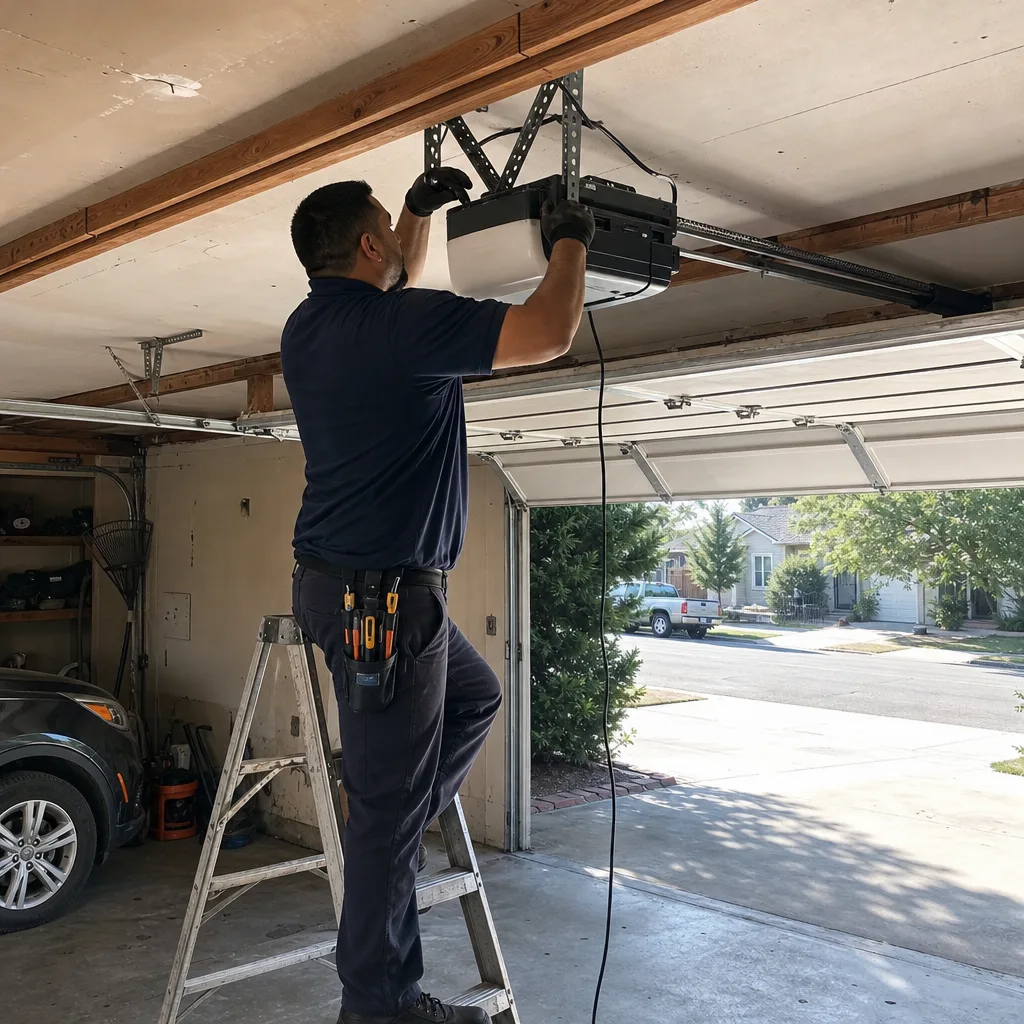
Full 25-point door and opener safety check with every visit - springs, cables, rollers, tracks, and your LiftMaster or Chamberlain opener included
You get a price before we start. It does not change when the truck arrives.
Get your free estimateChoosing the Right Garage Door Brand: A Buyer’s Guide for Gilroy
Two garage doors can sit side by side, carry the same R-value rating on the spec sheet, and still differ by $600 or more in price. The difference is rarely the brand name stamped on the inside panel. It’s the steel gauge, the density of the insulation foam, and the warranty structure hiding in the fine print. In Gilroy, where summer heat spikes past 95°F and winter mornings bring the kind of damp that settles into metal, those hidden specs matter more than the logo. This guide breaks down the eight brands we work on every week – LiftMaster, Chamberlain, Genie, Clopay, Amarr, Wayne Dalton, Craftsman, and Raynor – and shows you how to match the right one to your house, your budget, and the way Gilroy weather treats a garage door over a decade of use.
Quick Answer
The best garage door brand in Gilroy depends on what your home actually needs: Clopay and Amarr lead for insulated steel doors that hold up to coastal humidity and resale-value expectations, LiftMaster and Chamberlain dominate for smart openers with myQ connectivity, and Genie and Craftsman offer solid entry-level options when budget is the priority. For most Gilroy homes, a 24-gauge polyurethane-insulated steel door from Clopay or Amarr paired with a LiftMaster opener delivers the best 10-year value. We’ll show you exactly how to compare them below.
Styles & brands we work with
- Raised-panel steel
- Carriage house
- Modern flush
- Full-view glass
- LiftMaster openers
- Chamberlain openers
Table of Contents
- The Eight Brands We Service, Broken Into Honest Tiers
- Steel Gauge in Gilroy: Why It Matters More Than You’d Think
- Polystyrene vs. Polyurethane: Real Thermal Performance in a Mild Coastal Climate
- What Gilroy Appraisers and Buyers Actually Notice About Garage Doors
- Warranty Structure Decoded: What “Limited Lifetime” Actually Means
- Matching the Door to the Opener: Smart Systems and Brand Pairings
- Common Mistakes to Avoid
- When to Call a Professional
- Frequently Asked Questions
The Eight Brands We Service, Broken Into Honest Tiers
Most brand comparison articles want you to believe one company wins everything. That’s not how garage doors work. Each of the eight brands we carry and service has a specific lane where it leads, a middle where it’s fine, and a spot where we tell customers to look elsewhere. Here’s the honest breakdown from a Garage Door Service Gilroy home team that’s worked on every one of these brands in driveways across Gilroy.
Premium Tier: Clopay and LiftMaster
Clopay leads in door construction, particularly their insulated steel lines. The steel is thicker, the powder-coat finish holds up to years of Gilroy sun without fading, and their polyurethane foam is injected at higher density than most competitors. When a Gilroy homeowner asks us what door we’d put on our own house, Clopay is the most common answer for a reason. You’ll pay $1,400 to $3,800 installed depending on size and insulation level, but the door still operates smoothly at year eight the way it did at month two.
LiftMaster doesn’t make doors. They make the opener, and in the smart-home era, they’re the clear leader. Their myQ platform works reliably, the DC motors run quiet enough for garages under bedrooms, and the battery backup options keep the door working during the wind-driven power outages Gilroy sees in storm season. If you’re pairing a premium door with an opener, LiftMaster is the default recommendation unless you have a specific reason to go elsewhere.
Solid Middle Tier: Amarr, Chamberlain, and Raynor
Amarr is interesting because it offers Clopay-level construction quality at a slightly lower price point in some lines. Their Heritage and Classica collections are genuinely good doors, and their warranty depth on the steel skin – which we’ll get into below – is competitive with anyone. We install Amarr regularly for Gilroy homeowners who want premium build quality but don’t need the full Clopay price tag.
Chamberlain owns LiftMaster, which confuses people. The short version: Chamberlain is the retail brand, LiftMaster is the dealer brand. Chamberlain openers are perfectly solid, you can buy them at big-box stores, and they work fine for most single-family homes. The build quality is a step below LiftMaster, but the price reflects that. For a standard two-car garage in Gilroy where you’re not running smart-home integrations, Chamberlain is a smart buy.
Raynor is the brand most comparison articles forget, which is a shame because their steel doors are honestly good. They’re a smaller player in the California market, but the construction quality on their mid-range insulated doors competes with anyone. Parts availability can occasionally take longer than Clopay or Amarr, which is worth knowing if you value fast repairs above all else.
Budget-Conscious Tier: Genie, Craftsman, and Wayne Dalton
Genie makes decent openers at an accessible price point. If you need a reliable opener and you’re not interested in smartphone connectivity or battery backup, a Genie will do the job for $150 to $300 less than a comparable LiftMaster. The motors are noisier and the rail systems are lighter-duty, but for a garage that gets used twice a day, they work.
Craftsman doors and openers are the most common systems we encounter in older Gilroy homes, particularly in developments built between 1995 and 2010. The older Craftsman openers are chain-driven and loud, but they’re also simple and repairable. The newer Craftsman doors are fine entry-level products. Where we pause is on longevity: if you’re buying a door you want to still look good in 2035, Craftsman probably isn’t the pick.
Wayne Dalton occupies an odd niche. Their ThermoMark doors were popular in California for years, and their pinch-resistant panels are a genuine safety feature worth considering if you have young kids. But their current product line is thinner than it used to be, and we’ve seen more QC inconsistencies on recent Wayne Dalton doors than on any other brand we service. We’ll work on them, we’ll repair them, but for new installations we usually steer Gilroy customers toward Clopay or Amarr.
And if your current door came from a different manufacturer entirely, the team that handles Garage Door Installation in Freedom can still help. We see doors from every era and every brand, and our recommendation is never based on what we stock – it’s based on what makes sense for your home.
Steel Gauge in Gilroy: Why It Matters More Than You’d Think
Steel gauge is the single most overlooked spec in garage door shopping, and in Gilroy’s coastal-adjacent climate, it’s the one that determines whether your door still looks straight in ten years. Here’s the direct answer: most residential steel garage doors are built from 24-gauge or 25-gauge steel, and that one gauge difference changes the door’s resistance to denting, warping, and salt-tinged air corrosion by roughly 20 to 30 percent.
The confusing part is that lower numbers mean thicker steel. A 24-gauge panel is measurably thicker than 25-gauge. It sounds trivial, but garage door panels are large flat spans, and thin steel flexes. In Gilroy, where winter brings moisture that settles on metal surfaces and summer bakes everything at triple digits, that flex cycle happens thousands of times over a decade. Each cycle stresses the metal at the panel seams and stile attachments.
Why 24-Gauge Wins in Central Coastal California
- Dent resistance: A 24-gauge door survives a basketball hit, a bike handlebar bump, or a wayward ladder with no visible mark. A 25-gauge door will dent in the same situation. We’ve repaired dents in newer 25-gauge doors in neighborhoods all over Gilroy, and it’s almost always the same story: something tapped the door and the metal gave.
- Panel rigidity over time: Thinner steel develops a slight oil-can ripple after years of hot-cold cycling. It’s subtle from a distance but visible when the evening sun hits the door at a low angle. If you’ve ever noticed a garage door that looks slightly wavy, that’s usually 25- or 26-gauge steel that’s been through a few Gilroy summers.
- Corrosion margin: The salt-tinged air that comes up the valley from Monterey Bay doesn’t rust a properly painted door overnight, but it attacks any micro-scratch or edge exposure faster than dry inland air would. Thicker steel gives you more material before corrosion becomes structural.
How do you check a door’s gauge? It’s on the spec sheet, and any dealer worth their salt will tell you without hesitation. Clopay’s premium lines use 24-gauge on front panels. Many Amarr models do as well. Most budget doors from Craftsman and Wayne Dalton are 25-gauge. If a salesperson can’t tell you the gauge, that’s a red flag.
- Ask directly: “What gauge steel is the door skin?”
- If the answer is 25 or higher, ask whether a 24-gauge version is available in that model.
- Compare the price difference. It’s usually $150 to $400, which over a 10-year ownership window is $15 to $40 per year for meaningfully better dent resistance and panel stability.
Polystyrene vs. Polyurethane: Real Thermal Performance in a Mild Coastal Climate
Garage door insulation comes in two types: polystyrene, which is a rigid foam board slid into the panel cavity, and polyurethane, which is a liquid foam injected into the panel where it expands and bonds directly to the steel skin. The difference matters in Gilroy, but not for the reason most sales pitches suggest.
Polystyrene insulation is cheaper and common on entry-level doors. It provides decent thermal resistance, usually R-6 to R-9 depending on thickness. But it doesn’t fill the panel cavity completely, and it doesn’t bond to the steel. That means it can shift over time, and the air gaps reduce actual thermal performance below the spec-sheet number. Polyurethane, by contrast, expands to fill the entire cavity and adheres to the steel surfaces, creating a structural bond that makes the door stronger and quieter as well as better insulated.
Here’s the Gilroy-specific reality: we don’t get extreme cold, and our garage doors rarely have to hold back a 40-degree temperature difference. What polyurethane buys you in this climate is structural rigidity and noise reduction more than thermal savings. A polyurethane door is noticeably quieter when operating, it resists the panel flex we talked about in the gauge section, and it transmits less vibration to the door hardware, which extends the life of hinges and rollers. The R-value difference between R-9 and R-18 is real on paper, but in Gilroy’s mild climate, the strength and quietness are what you’ll actually feel.
For Gilroy homeowners with attached garages that sit under living space, like many of the newer homes in the western neighborhoods, polyurethane makes a genuine difference in how much garage noise filters into the house. The same team that handles Garage Door Opener Repair in Freedom will tell you the door and opener noise issues often trace back to panel construction, not the motor.
What Gilroy Appraisers and Buyers Actually Notice About Garage Doors
If you’re planning to sell your Gilroy home in the next five to seven years, your garage door choice is more financially significant than you might think. A garage door is one of the largest visible exterior surfaces on most homes, and in the Bay Area spillover market that drives Gilroy real estate, curb appeal translates directly into listing engagement.
We hear from realtors in Gilroy consistently: a dented, faded, or rusting garage door is one of the top exterior issues buyers flag during initial drive-by checks. Conversely, a newer steel door in a neutral color photographs well and signals that the home has been maintained. The national cost-versus-value data consistently ranks garage door replacement among the top three home improvements for recouping investment at resale, and California markets tend to track that national trend closely.
The brands that get recognized and valued in the Gilroy market are Clopay and Amarr. Buyers who’ve done their research know these names. Appraisers treat a recently installed Clopay door as a documented recent improvement with predictable depreciation value. A no-name door installed by the lowest bidder doesn’t carry that same recognition.
What Moves the Needle at Resale
- Steel over aluminum or wood in Gilroy: Wood doors require maintenance that coastal-adjacent moisture makes relentless. Buyers know this. A low-maintenance steel door reads as a smart recent purchase.
- Neutral colors over bold ones: White, almond, sandstone, and charcoal hold their resale appeal. A red door might look great to you but narrows your buyer pool.
- Windows add perceived value: A row of windows across the top section makes the door look more architectural. The actual cost is modest; the visual effect at listing time is not.
- Documented recent installation matters: Keep the warranty paperwork and installation date. Buyers and their inspectors will ask.
Warranty Structure Decoded: What “Limited Lifetime” Actually Means
“Limited lifetime warranty” sounds comprehensive, but the limits are where everything lives. Here’s what a typical garage door warranty from Clopay, Amarr, or CHI actually covers, and what it quietly excludes.
What Most Garage Door Warranties Cover
- The steel skin: Most premium doors from Clopay and Amarr carry a lifetime warranty against rust-through on the steel skin. That’s rust that goes all the way through the metal, not surface rust or cosmetic oxidation. Surface rust from a scratch is not covered.
- The structure: Panel-to-panel alignment and the door’s structural integrity are typically covered for the lifetime of the original purchaser. Not the second owner.
- Hardware: Hinges, track, and rollers usually carry shorter terms, commonly 1 to 5 years.
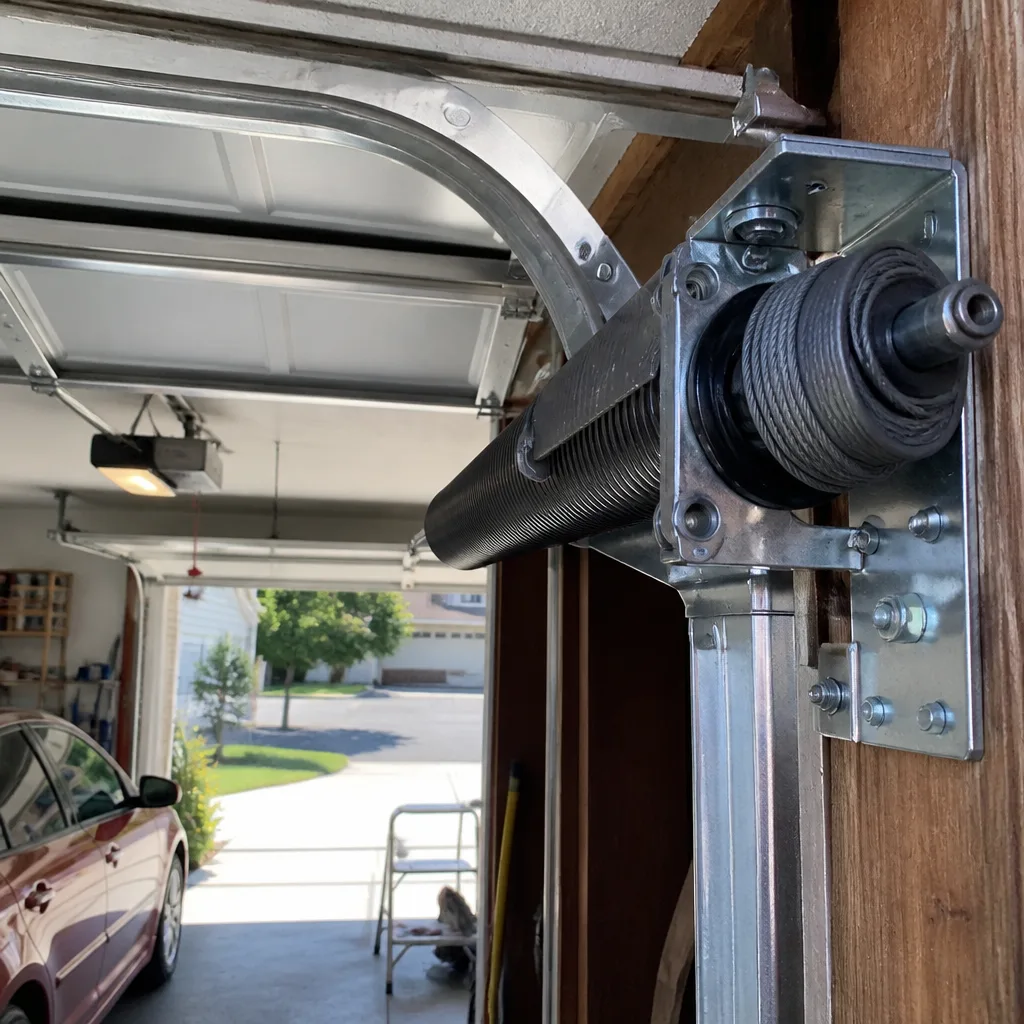
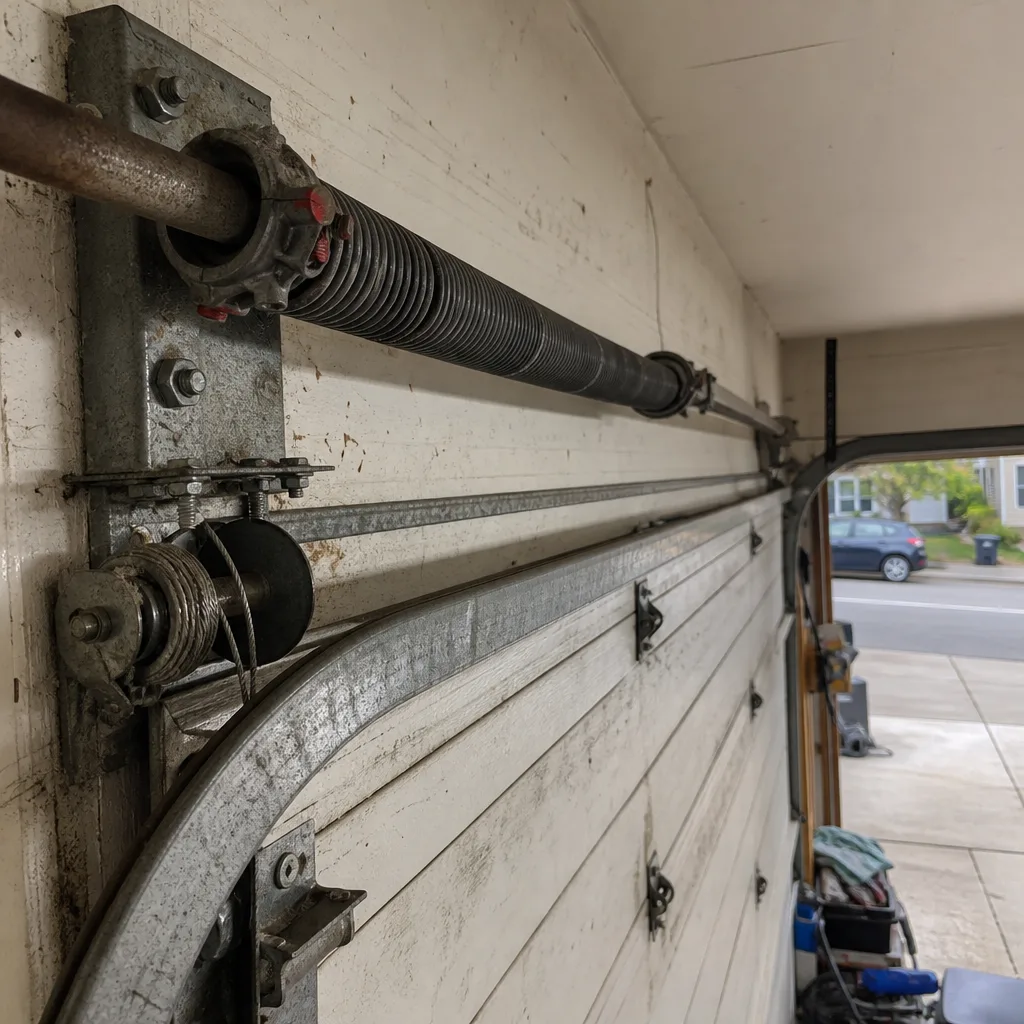
- Springs: Torsion springs are usually warrantied for a specific cycle count, not a time period. A 10,000-cycle spring doesn’t fail in 5 years, it fails in 20 years if the door cycles twice daily. If the door cycles six times daily in a busy household, that same spring reaches rated life in about 9 years.
What Gets Excluded or Prorated
- Finish fading: Most warranties cover rust-through, not fading. A door that oxidizes and dulls after 8 years of Gilroy sun is typically not covered.
- Labor: Parts are covered under warranty, but the labor to replace them usually isn’t after the first year. If a $40 hinge fails at year three, the part might be free, but a service call to replace it will cost $150 to $250.
- Installation errors: If the door was installed out of square and the panels bind, that’s an installation defect, not a manufacturing defect. The warranty won’t cover it. This is the quiet argument for using an installer who does this work daily, not a general handyman.
- Second-owner transfers: Most lifetime warranties apply only to the original purchaser. If you buy a home with a 6-year-old door, that warranty doesn’t transfer to you.
- Premium steel door (Clopay, Amarr) + LiftMaster or Chamberlain belt-drive: Quiet, smooth, and the smart features come with the opener. LiftMaster’s myQ gives you phone control and automatic close scheduling, which is useful for Gilroy families with kids who leave for school at different times.
- Mid-range insulated door (Raynor, Amarr) + Chamberlain chain-drive: A chain-drive opener is louder but rock-solid reliable and cheaper. If your garage is detached or not under living space, the noise doesn’t matter.
- Entry-level door (Craftsman, Wayne Dalton) + Genie or Chamberlain: Nothing fancy, but the pairing works and keeps the total system cost down.
- Buying on brand name alone without checking specs: Clopay makes entry-level doors and premium doors. Assuming every product from a good brand is equally good is wrong. Check the steel gauge and insulation type on the specific model you’re quoted.
- Choosing the cheapest quote without comparing what’s in it: Two quotes can differ by $600 and both be “a steel insulated door.” The difference is gauge, insulation type, hardware quality, and warranty depth. A cheap door with cheap hardware will cost more per year of useful life.
- Ignoring the opener when replacing the door: If your opener is 10 years old and was matched to the original lightweight door, it may struggle with a heavier modern replacement. Budget for both if the opener is due for replacement.
- Skipping the spring cycle rating conversation: Springs are rated in cycles, not years. A family that cycles the door six times a day wears out a spring three times faster than a couple who cycles it twice. If you’re heavy users, ask about upgraded high-cycle springs.
- Buying a door with no windows and regretting it: Gilroy garages are often windowless caves without door windows. A row of frosted glass panels transforms the interior lighting. It’s a small cost at purchase, far more expensive to change later.
- Assuming the warranty covers everything: As covered above, labor and finish fading are the big exclusions. Read the actual warranty document before signing.
- Hiring a generalist to save money: Garage door installation requires specific knowledge of spring tension, track alignment, and opener calibration. We’ve repaired enough botched installations in Gilroy to know the “savings” disappear on the first repair call.
Clopay and Amarr have the strongest warranty depth among the brands we work with. Wayne Dalton and Craftsman warranties are thinner in coverage and shorter in duration. When you’re comparing quotes, ask for the warranty document, not the warranty summary. Our team at Garage Door Repair in Freedom walks through this paperwork with every installation customer because the difference between what people assume is covered and what’s actually covered has caused real surprises.
Matching the Door to the Opener: Smart Systems and Brand Pairings
A garage door is only half the system. The opener is the other half, and the two need to work together. We see too many Gilroy homeowners invest in a quality door and then pair it with an undersized or outdated opener. The result is uneven operation, premature wear on door hardware, and a noisier system than necessary.
The rule we apply: the opener should be matched to the door’s weight, balance, and usage pattern, not to brand loyalty. A heavy premium steel door with polyurethane insulation and windows needs a capable opener. A budget single-layer door does not. You don’t need a LiftMaster premium opener on a $900 Craftsman door any more than you’d want a bargain-chained opener yanking a $3,000 Clopay door.
Recommended Pairings We Make in Gilroy
One note on smart openers: the best opener in the world can’t overcome a door that binds, has worn rollers, or is out of balance. Those are mechanical issues, and the technician who handles opener repairs will confirm that the door must move smoothly before the opener can work efficiently. That’s why we always check the door itself during opener service calls.
Common Mistakes to Avoid
When to Call a Professional
Some decisions you can make from reading a guide. Others need eyes on the actual door. Call a professional when your existing door is sagging or out of balance, when the springs show visible wear or rust, when the door doesn’t sit flush against the seals, or when the opener struggles to lift a door it used to handle easily. These are mechanical issues, not shopping questions, and they’re unsafe to diagnose from a photo. Garage Door Service Gilroy offers free estimates in Gilroy – call (833) 593-6706 and we’ll come out, look at the door, and give you a straight answer on repair vs. replacement along with a written price before any work starts.
Frequently Asked Questions
For coastal-adjacent conditions with hot summers and damp winters, a 24-gauge polyurethane-insulated steel door from Clopay or Amarr delivers the best combination of dent resistance, corrosion margin, and structural rigidity over a 10-year window. These brands also offer the strongest warranty depth among the doors we service. Call (833) 593-6706 for a free estimate on a climate-appropriate door for your specific home.
A quality insulated steel door from Clopay or Amarr with professional installation in Gilroy typically runs $1,800 to $3,800 depending on size, insulation level, window options, and hardware upgrades. Entry-level single-layer doors from Craftsman or Wayne Dalton run $900 to $1,600 installed. The price you’re quoted is agreed before work starts – we never surprise anyone with a higher invoice at the end.
R-value matters less for thermal savings in Gilroy’s mild climate and more for structural strength and noise reduction. Polyurethane’s real advantage here is that it bonds to the steel, making the door stronger and quieter, not that it saves you $40 a year on a garage heater you probably don’t run. Don’t overpay for R-18 if you’re just parking cars.
Clopay and Amarr doors are the most recognized and valued brands among Gilroy buyers and appraisers. A recently installed neutral-colored steel door from either brand photographs well in listings and signals proper home maintenance. The recoup rate at resale for garage door replacement is among the highest of any home improvement.
Look for lifetime rust-through coverage on the steel skin, at least a 10-year structural warranty, and clear written terms on what’s excluded. Labor is typically covered for only the first year, and finish fading is usually excluded entirely. Ask to see the full warranty document before you sign, not a marketing summary.
We install and service doors and openers from all eight brands we work on: LiftMaster, Chamberlain, Genie, Clopay, Amarr, Wayne Dalton, Craftsman, and Raynor. If your current system came from one of these brands, we’ll work on it regardless of where you bought it. For installations, we’ll recommend the best option for your home and budget, not just what’s easiest for us to source.
The Bottom Line
The right garage door brand for a Gilroy home isn’t decided by logo loyalty. It’s decided by steel gauge, insulation type, warranty depth, and how well the door matches your opener and your house. Clopay and Amarr lead for durable insulated steel. LiftMaster leads for smart openers. Chamberlain, Genie, Craftsman, Raynor, and Wayne Dalton all have roles for specific budgets and situations. Check the specs before you compare prices, read the warranty document before you sign, and don’t let a generalist install a door that a specialist should handle. Your garage door runs hundreds of cycles a year in Gilroy’s heat, damp, and wind – it deserves to be chosen with more care than a paint color.
Written by the team at Garage Door Service Gilroy, serving Gilroy since 2018.
Ready to talk about your door? Call us at (833) 593-6706 for a free estimate, or reach out to schedule a time. We’ll give you an honest recommendation on repair vs. replacement, and a written price before any work begins.
See the difference
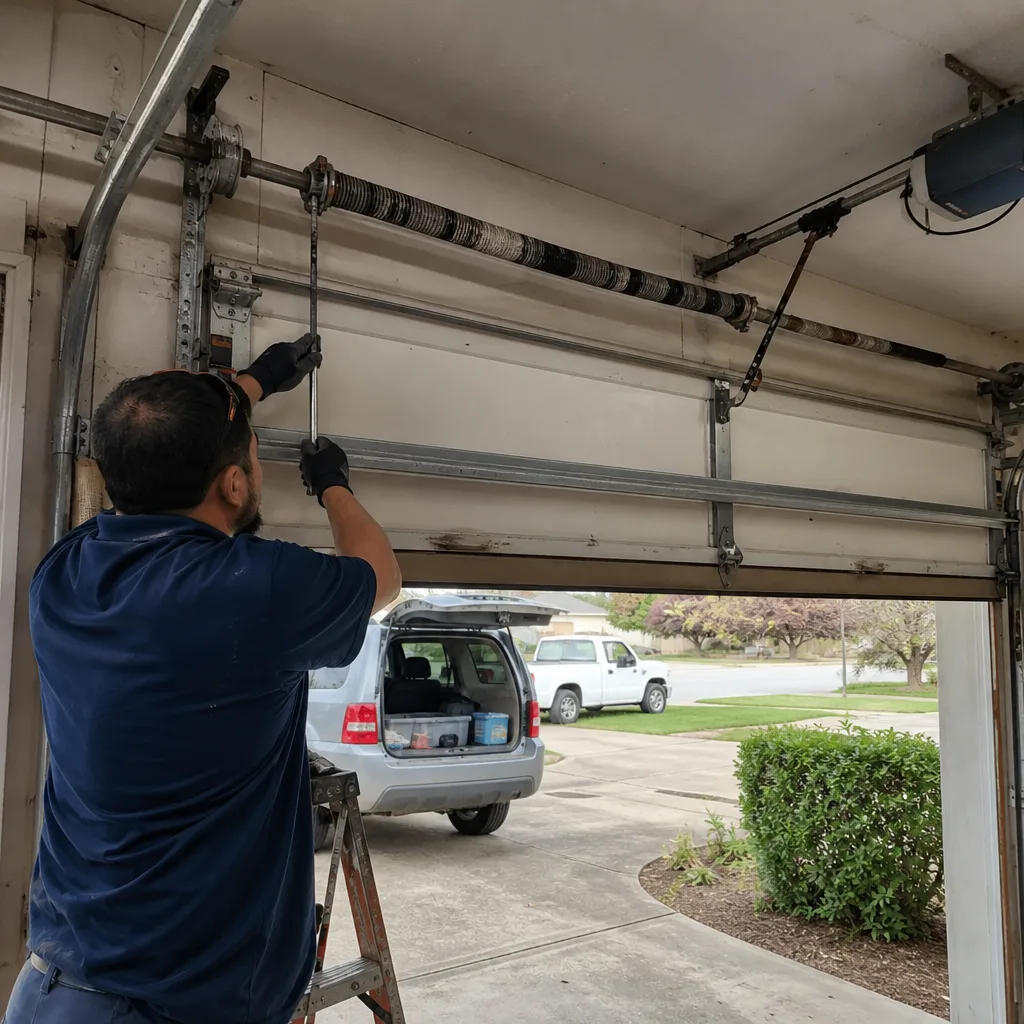 Before
 After
 Before
 After
 Before
 After