
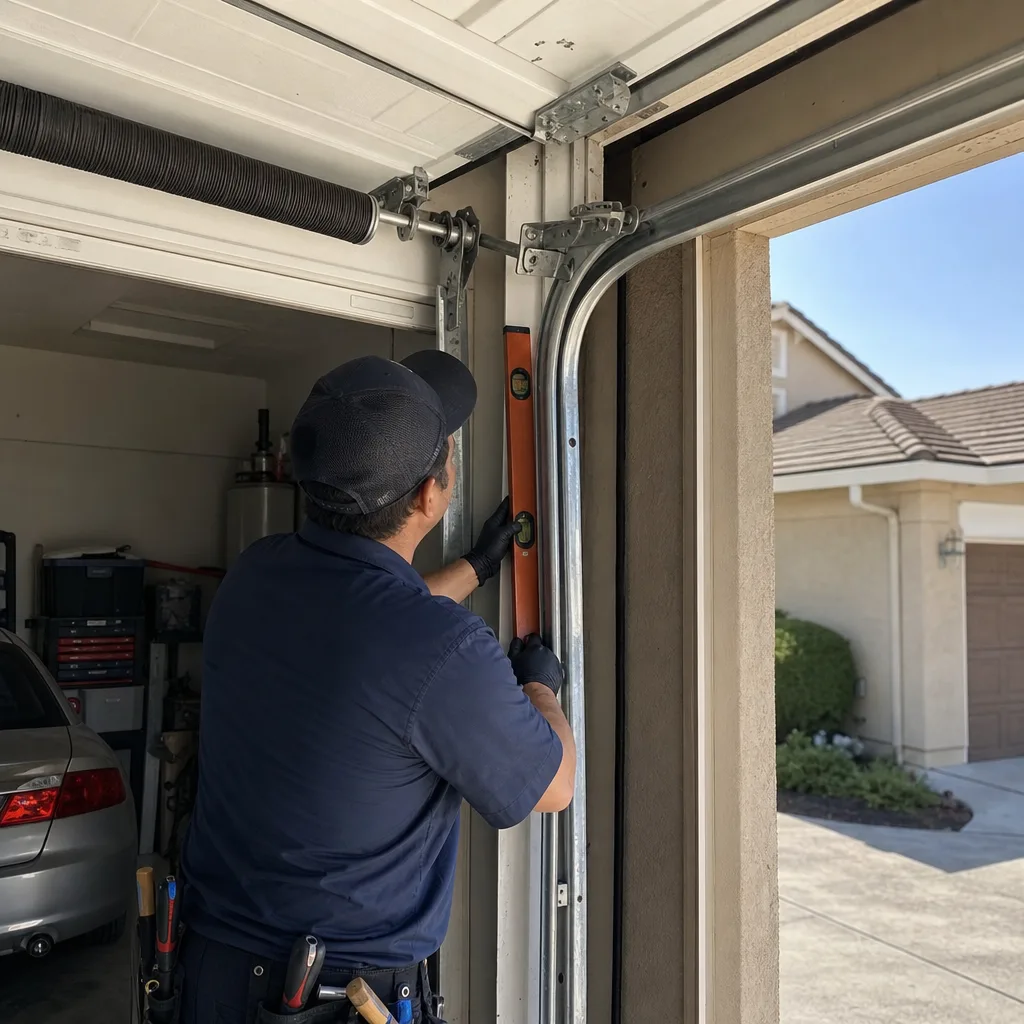
Last updated November 2, 2026
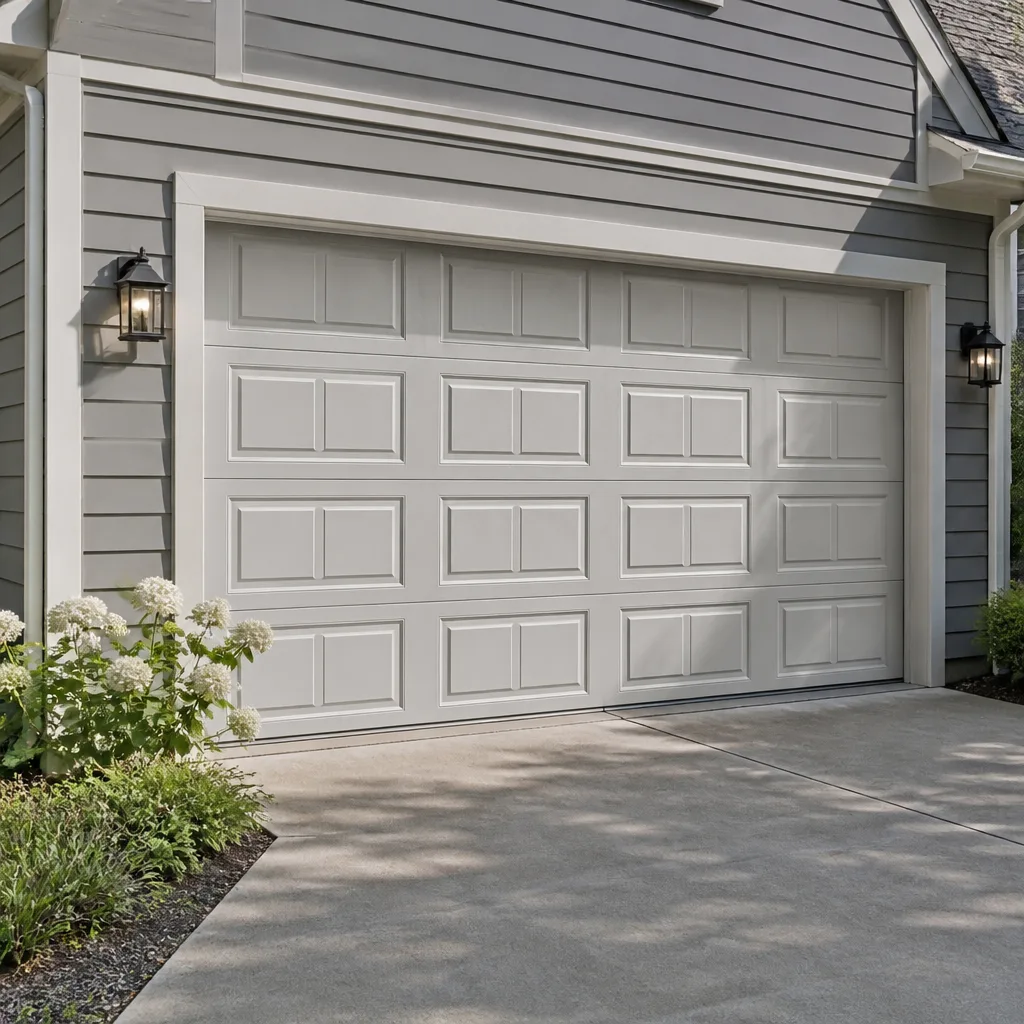 Raised-panel steel
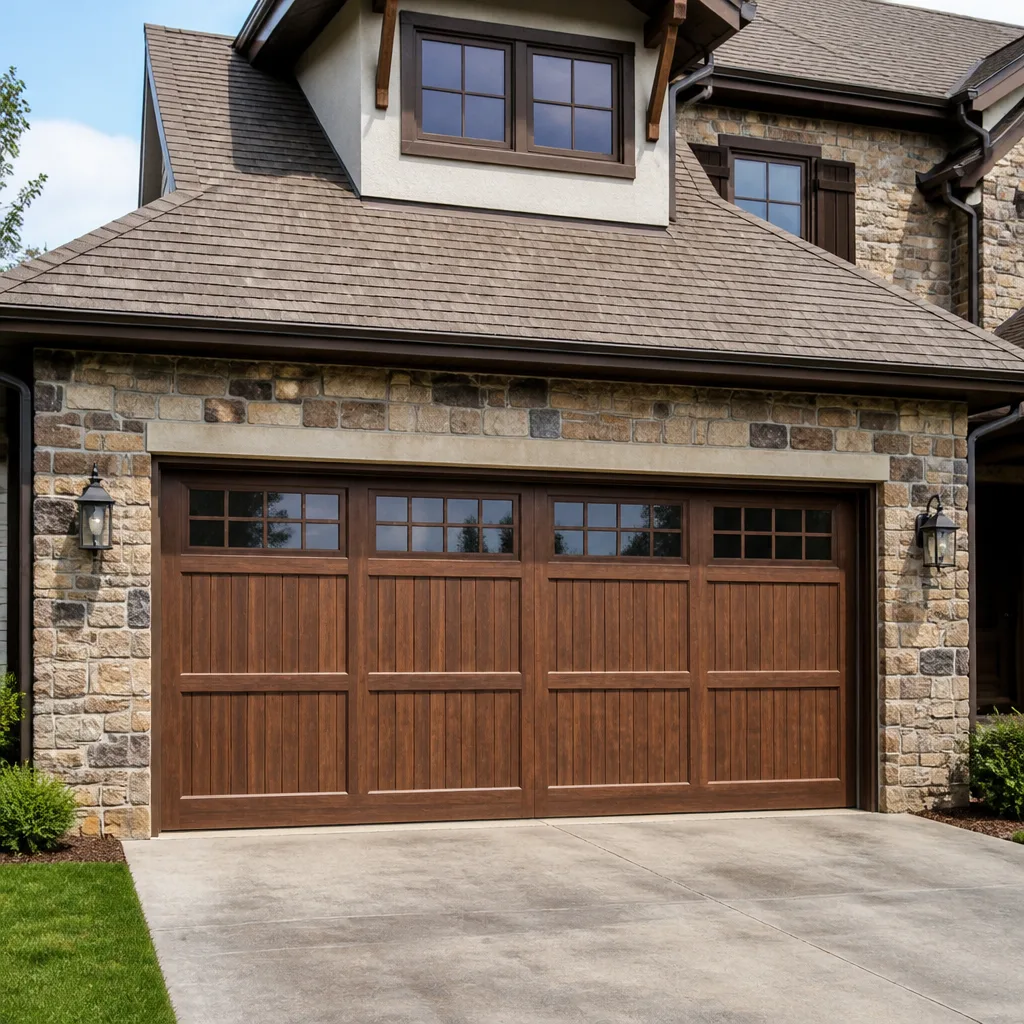 Carriage house
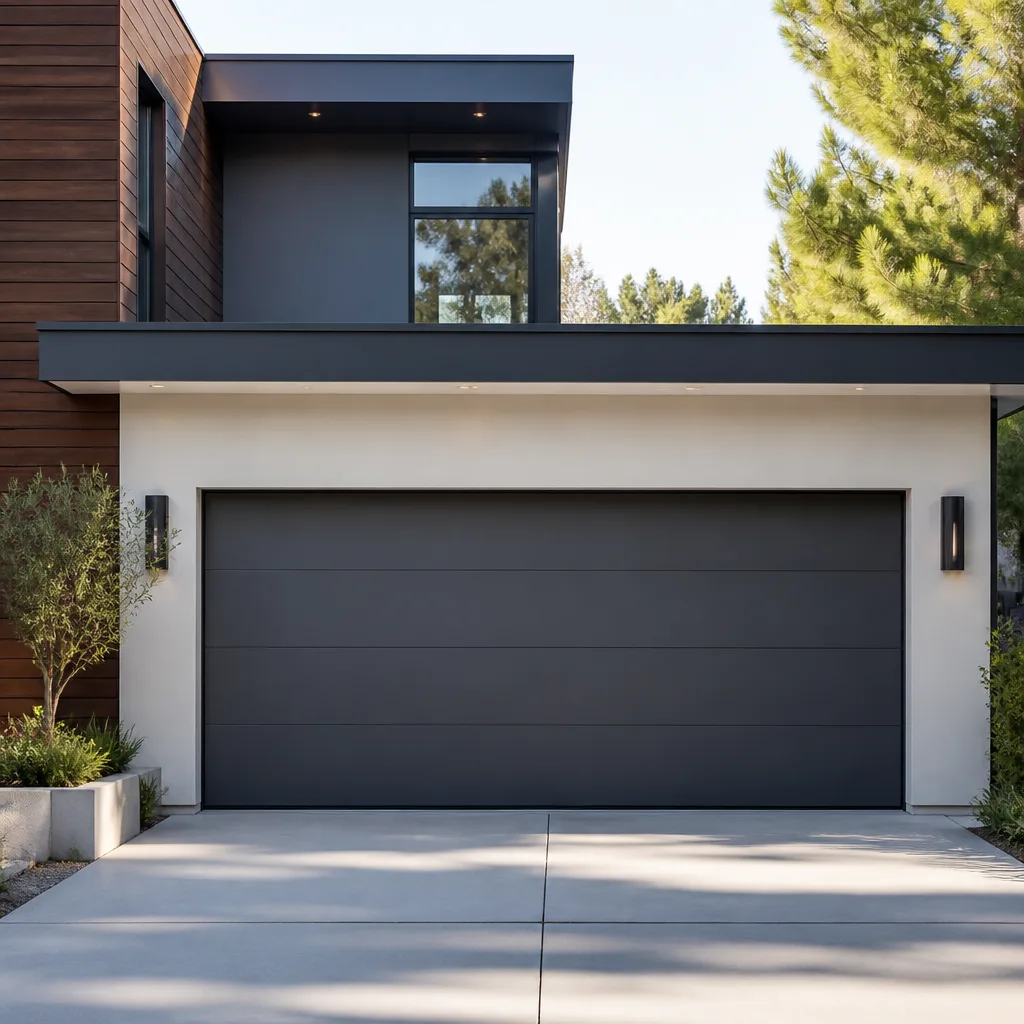 Modern flush
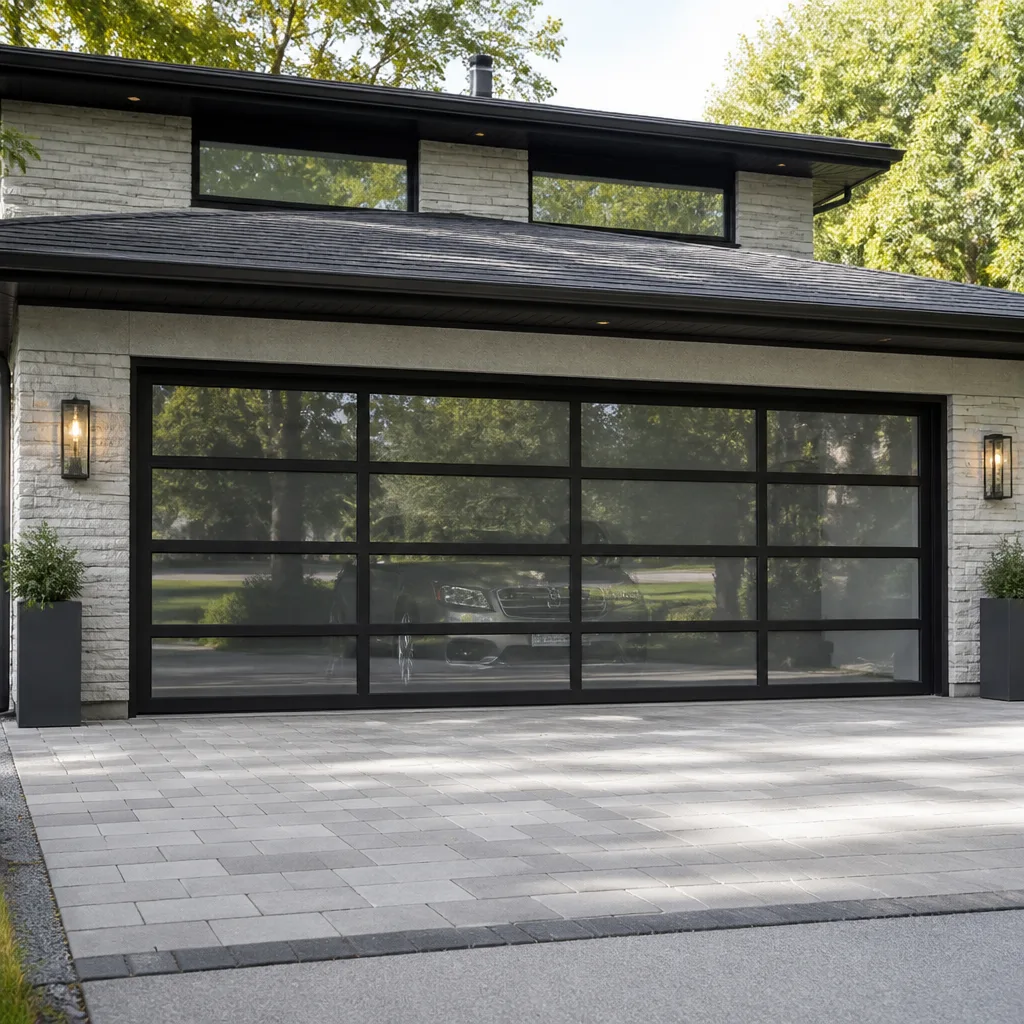 Full-view glass
 LiftMaster openers
 Chamberlain openers
Full 25-point door and opener safety check with every visit - springs, cables, rollers, tracks, and your LiftMaster or Chamberlain opener included
You get a price before we start. It does not change when the truck arrives.
Get your free estimateGarage Door Cost Breakdown: The Gilroy Homeowner’s Reference for 2026
Here’s something most garage door companies in Gilroy won’t tell you: the $300 difference between two quotes for the same spring replacement usually comes down to one thing. Whether the company uses OEM-spec springs matched to your door’s weight, or undersized aftermarket parts that will fail in half the cycle count. You can’t see that difference at the quote stage, but you’ll feel it eighteen months later when the cheaper spring snaps again. This guide and our more guides & resources explain what actually drives garage door costs in Gilroy, so you can evaluate any quote the same way a trained technician would.
Styles & brands we work with
- Raised-panel steel
- Carriage house
- Modern flush
- Full-view glass
- LiftMaster openers
- Chamberlain openers
Quick Answer
A garage door repair in Gilroy typically costs between $150 and $400 for most common issues like spring replacement, cable repair, or sensor realignment. A new garage door opener runs $350 to $700 installed, while a complete door replacement ranges from $1,200 to $4,500 depending on material, insulation, and size. The single biggest factor in whether you’re getting a fair price is parts quality, not labor, which is why we break down exactly what goes into each cost below.
Table of Contents
- Parts vs. Labor: What a Healthy Quote Looks Like
- The 7 Most Common Repairs and What They Should Cost in Gilroy
- Why the Same Door Costs $200 – $600 More at Some Dealers
- Opener Costs: Belt, Chain, and DC Motor Realities
- The Hidden Cost of Waiting: A $180 Repair Becomes $1,800
- 2026 Material Costs: Steel, Wood Composite, and Aluminum
- How to Read Any Garage Door Quote in 5 Minutes
- Common Mistakes to Avoid
- When to Call a Professional
- Frequently Asked Questions
- The Bottom Line
Parts vs. Labor: What a Healthy Quote Looks Like
We’ve seen hundreds of quotes from Gilroy homeowners who want a second opinion before signing. The pattern that separates honest pricing from labor-padded quotes is consistent across every repair type. On most garage door jobs, the parts should account for 30 percent to 50 percent of the total. When labor creeps above 70 percent of the quote, that’s usually a red flag, either the company is using cheap parts and charging premium labor, or they’re billing you for inefficiency.
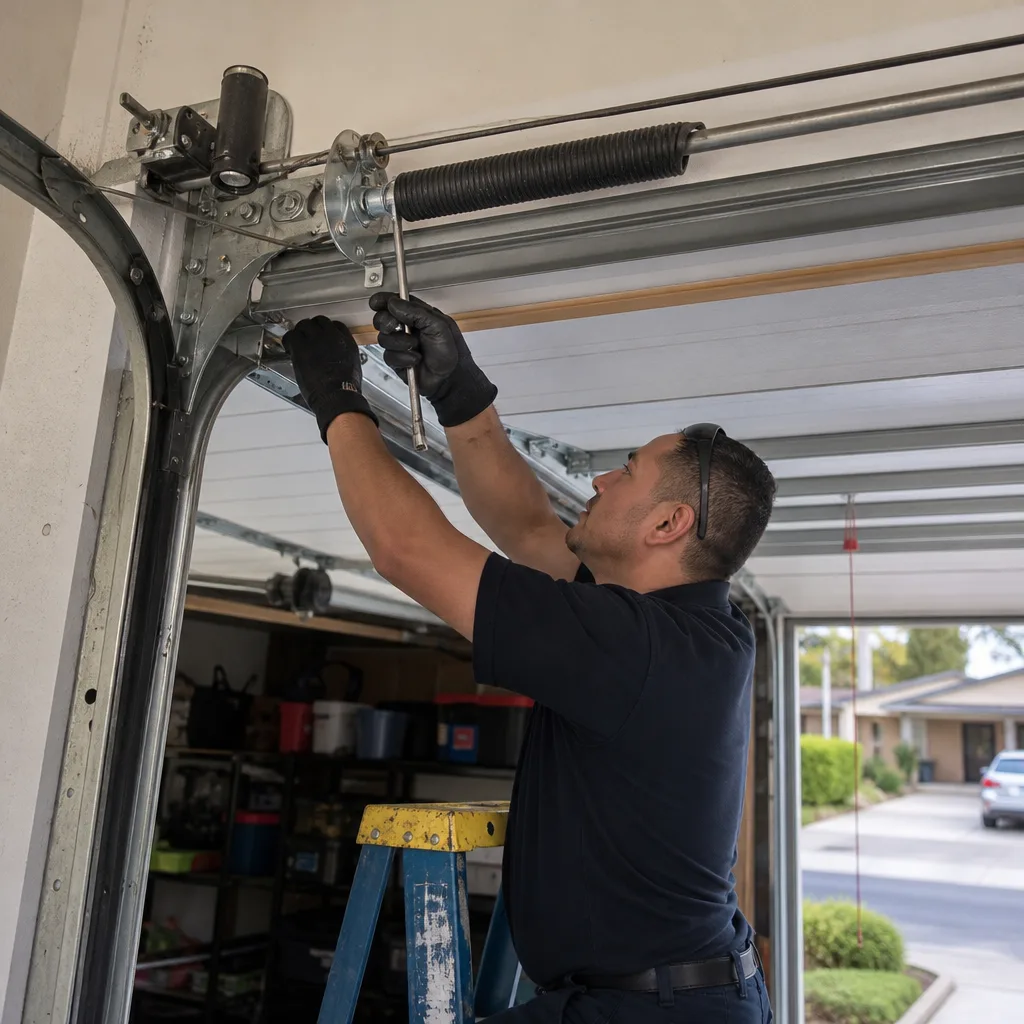
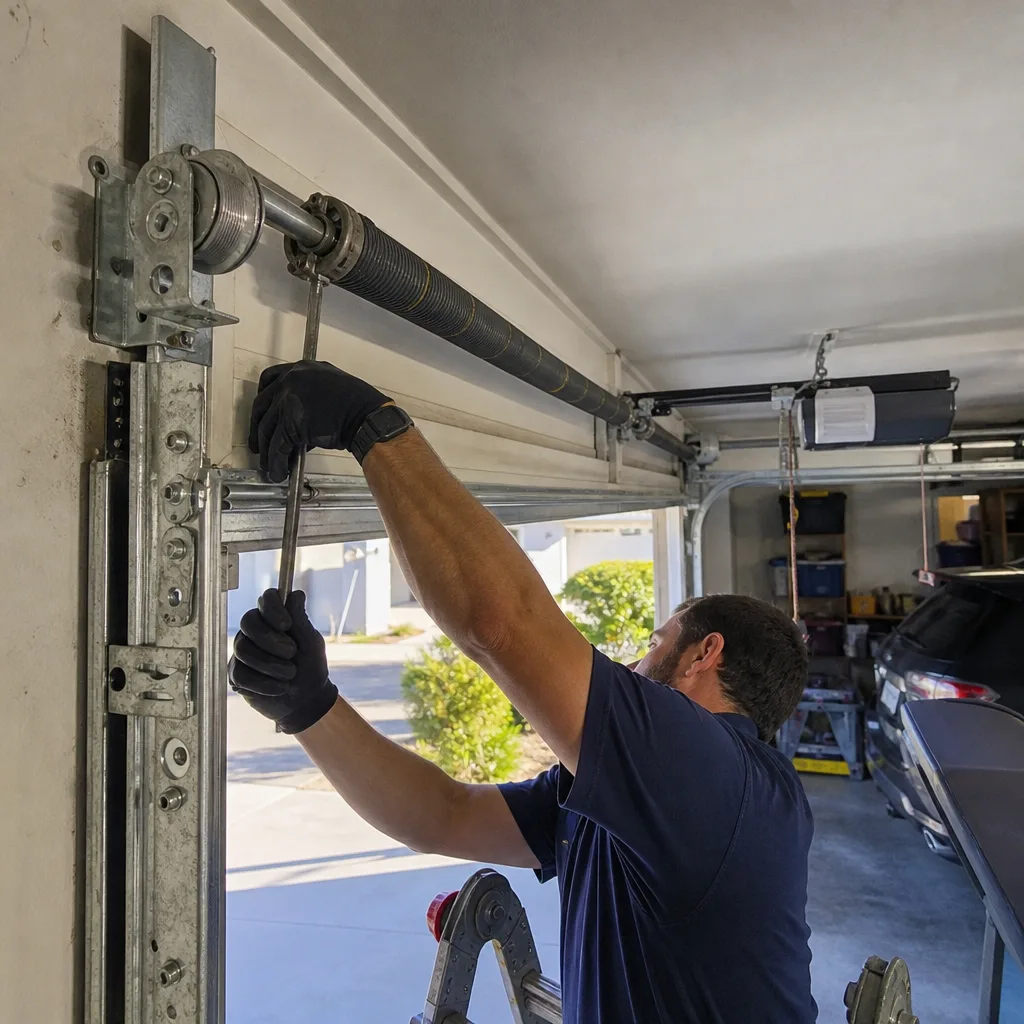
Take a standard torsion spring replacement. A pair of OEM-spec springs for a Clopay or Amarr residential door costs a contractor between $45 and $90 wholesale. The job takes a trained technician 45 to 90 minutes including setup, safety checks, and balance testing. A fair quote lands between $180 and $340. If someone quotes you $450 or more for springs, the parts didn’t get more expensive, the labor did. Either they’re paying a technician to learn on your door, or they’re padding the bill.
Here’s a healthy breakdown for the repairs we see most often in Gilroy:
- Torsion spring replacement: $50 – $90 parts, $130 – $250 labor, total $180 – $340
- Extension spring replacement: $35 – $70 parts, $100 – $175 labor, total $135 – $245
- Cable replacement (both sides): $30 – $60 parts, $110 – $190 labor, total $140 – $250
- Roller replacement (full set, nylon): $40 – $75 parts, $90 – $165 labor, total $130 – $240
- Hinge replacement (one or two): $15 – $40 parts, $75 – $140 labor, total $90 – $180
- Track realignment: $10 – $25 parts, $85 – $160 labor, total $95 – $185
- Opener logic board replacement: $80 – $180 parts, $80 – $150 labor, total $160 – $330
What these numbers mean for you: if a Gilroy company quotes a number at the very top of the range, ask one question. What exactly are you installing? A company that works on the brand you already have, whether it’s a Genie opener or a Wayne Dalton door, will tell you the specific part number. A company that hesitates might be quoting premium labor for generic parts.
The one exception to the ratio rule is opener logic board replacement. For newer smart-home-connected systems like LiftMaster myQ units, the board itself is pricier because it carries the wireless connectivity hardware and proprietary firmware. Parts can legitimately reach 55 percent of the quote on those jobs. That’s not padding. That’s what modern electronics cost. For everything mechanical, springs, cables, rollers, hinges, the ratio should hold steady.
One more thing about parts quality that matters more than most homeowners in Gilroy realize: cycle count. An OEM-spec torsion spring from a reputable manufacturer is rated for 10,000 to 20,000 open-close cycles, which for a typical two-car household means 7 to 12 years of service. An undersized aftermarket spring may be rated for 5,000 cycles or less. It will work fine the day it’s installed. It will break sooner. The quote looks cheaper. The ownership cost is higher. If a company won’t tell you the cycle rating and the spring brand, that’s not an omission. That’s the answer. Our Garage Door Service Gilroy home page covers how we approach spring selection for every door we touch.
The 7 Most Common Repairs and What They Should Cost in Gilroy
Most garage door service calls in Gilroy fall into a predictable pattern. Here’s what each repair involves, what it should cost, and the one question to ask before you approve the work, drawn from our Garage Door Repair Maintenance Checklist for Gilroy Homeowners.
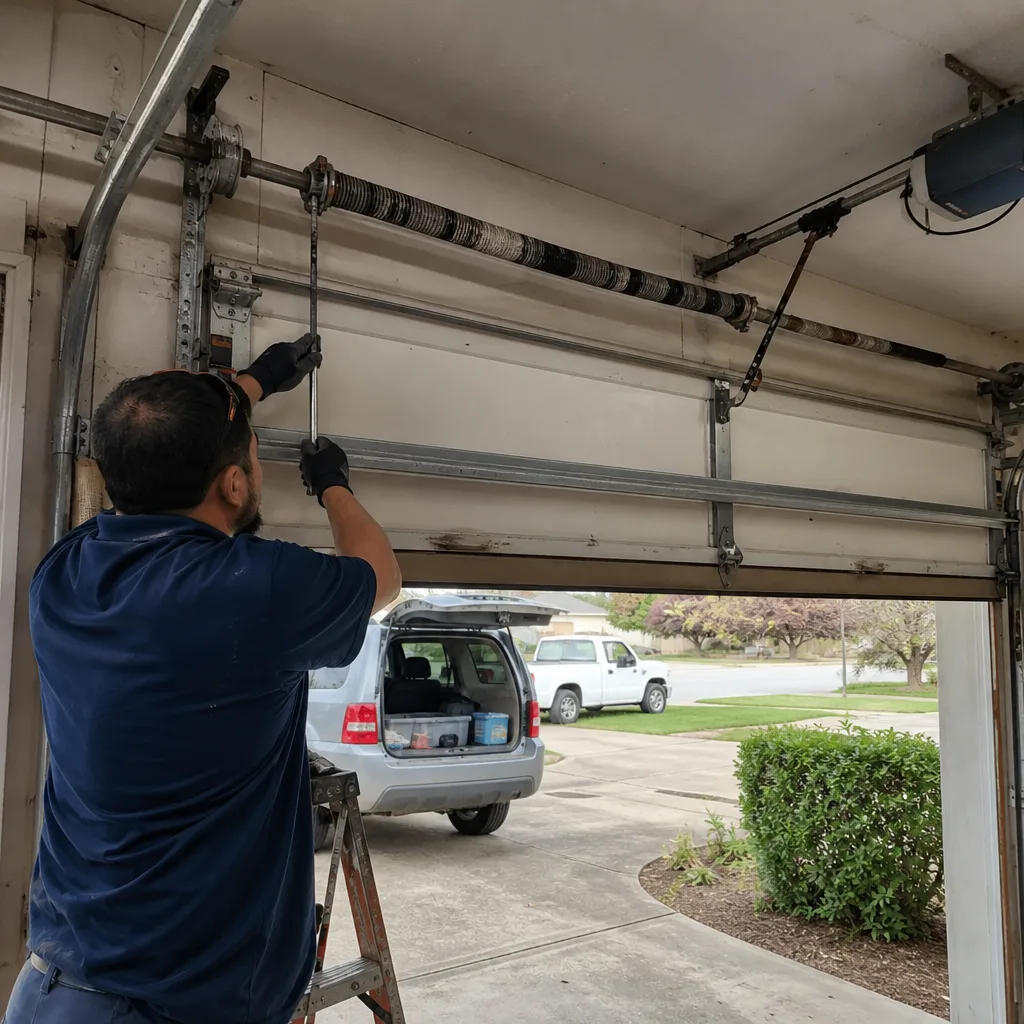
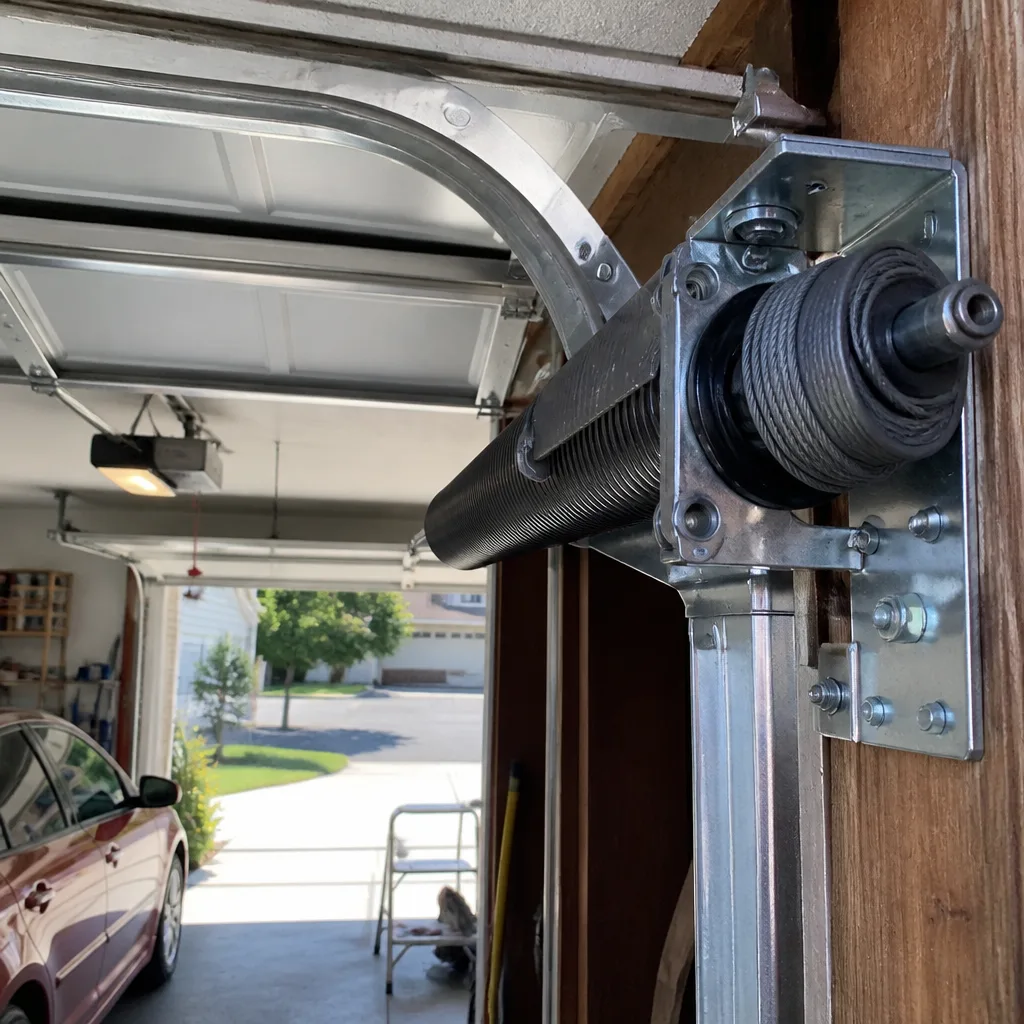
- Broken torsion spring. The most common call we get. The spring is the counterweight that makes a 150-pound door feel light. When it snaps, the door will not open, and the opener motor will strain against dead weight. Cost: $180 to $340. Ask: whether they’re replacing both springs as a pair, which is standard practice because the second spring is usually near the end of its life too.
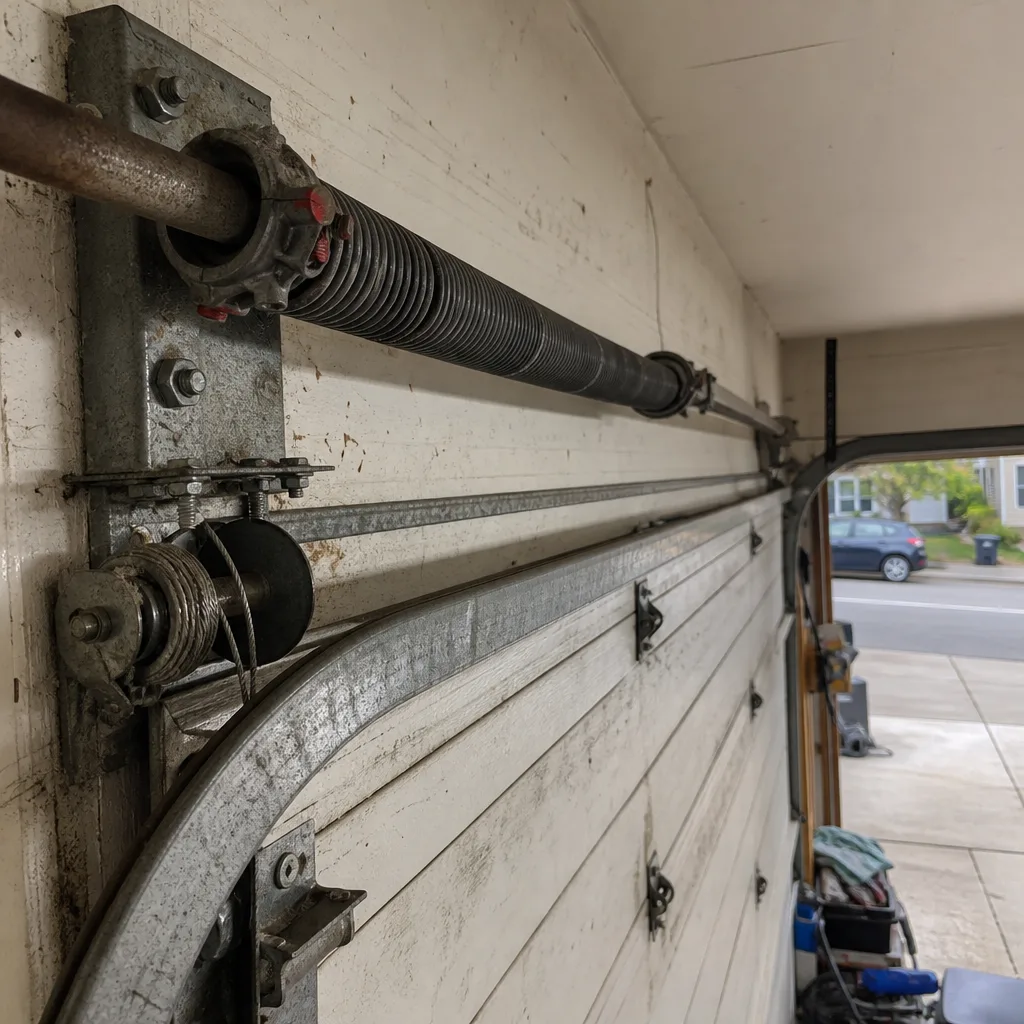
- Frayed or snapped cable. Cables work with the springs to lift the door evenly. When one fails, the door pulls sideways, which chews up rollers and hinges in weeks. Cost: $140 to $250 for both sides. Ask: whether they’re checking the pulleys and drum condition while the cable is off, because worn pulleys are what killed the first cable.
- Opener will not respond. Could be the logic board, the receiver, the capacitor, or the remote. A good tech diagnoses before quoting. Cost: $95 to $330 depending on the part. Ask: whether the diagnostic fee is applied toward the repair if you approve the work.
- Noisy operation, banging, grinding. Usually worn rollers or loose hardware. If it’s rollers, a full set of nylon replacements transforms sound levels. Cost: $130 to $240. Ask: whether they’ll inspect the track alignment as part of the job, because new rollers on misaligned track will be noisy again in months.
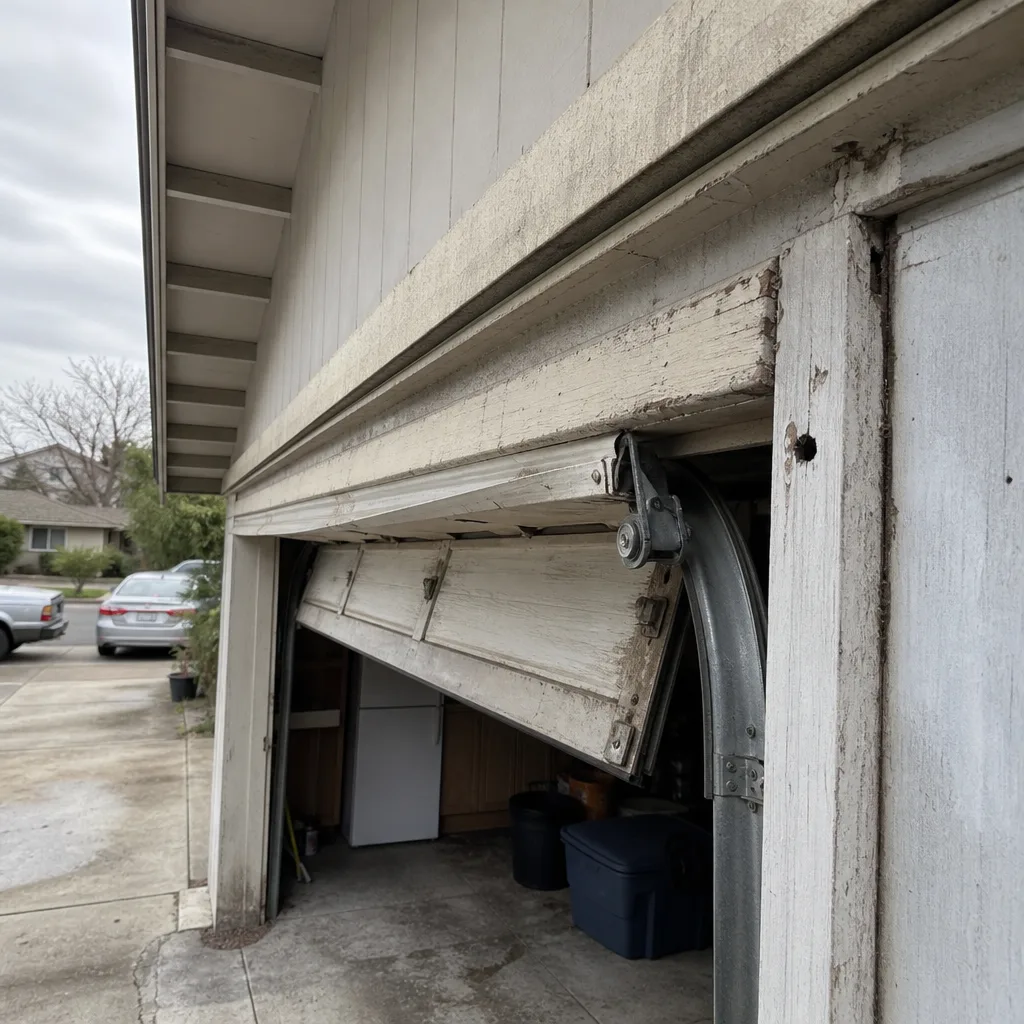
- Door off track. This is the one homeowners most often make worse by trying to force it. When a door pops off its track, every attempt to open or close it bends the track further. Cost: $95 to $185 for realignment, more if track sections need replacing. Ask: whether the root cause, usually a broken cable or roller, is being addressed too. Realigning the door without fixing what threw it off track means the door will be back off track within weeks.
- Photo eye sensor failure. The pair of sensors at the bottom of each track. Dirt, misalignment, or wiring damage causes the door to reverse or refuse to close. Cost: $80 to $150. Ask: whether they’re testing voltage at the sensor before replacing it, because sometimes the problem is the wiring behind the wall, not the sensor itself.
- Remote or keypad stopped working. Often a $15 battery, sometimes a receiver issue. Cost: $60 to $175 depending on whether the remote needs replacement or programming. Ask: whether they’ll reprogram all remotes and keypads while they’re there, not just the one that failed.
If you’re closer to the coast, Garage Door Repair in Freedom covers the same repair patterns with slightly different humidity-driven corrosion issues.
Why the Same Door Costs $200 – $600 More at Some Dealers
This is the question that frustrates homeowners more than any other: how can two businesses in the same county quote $1,800 and $2,400 for what looks like the identical Clopay or Amarr door? The answer is rarely that one company is gouging you. It’s that they’re not actually selling the same door, even when the brochure looks the same.
The first legitimate variable is insulation. A “steel garage door” might be a single-layer door with an R-value near zero, a double-layer door with an R-value around 6.5, or a triple-layer door with injected polyurethane foam rated R-18 or higher. The triple-layer version costs $300 to $600 more than the single-layer version of the same style. If one quote asks about how you use your garage, whether it’s a workshop, whether it shares a wall with living space, and one quote doesn’t, the first company is selling you the right door for your house. The second is selling you the cheapest thing with that panel pattern. In Gilroy, where summer heat turns an uninsulated garage into an oven, that insulation difference matters year-round.
The second variable is gauge. Entry-level doors use 27-gauge or 28-gauge steel, which dents when a teenager misfires a basketball. Mid-range doors use 25-gauge. Premium doors use 24-gauge or heavier. Each step up in thickness adds $100 to $250 to the door cost. A door that’s $300 cheaper upfront might be the 28-gauge version that needs panel replacement in five years.
Here’s what legitimately justifies a higher quote for the same named brand and style:
- Heavier gauge steel (24 or 25 gauge vs. 27 or 28 gauge)
- Higher R-value insulation (injected polyurethane vs. polystyrene vs. none)
- Better hardware (sealed-bearing nylon rollers vs. plastic or unsealed steel)
- Warranty length (lifetime vs. 5-year limited)
- Included tune-up and haul-away (does the quote include removing the old door and adjusting everything?)
What does not justify a gap: “we’re a bigger company,” “premium installation,” or silence when you ask about steel gauge and insulation value. One note on Amarr and Wayne Dalton specifically: both manufacturers build doors at multiple quality levels under the same brand name. An Amarr Lincoln and an Amarr Stratford are not interchangeable prices. If a quote just says “Amarr door,” ask which line. If they can’t answer, get a second quote. For complete door replacement work, Garage Door Installation in Freedom walks through how we quote full door packages so you can compare line by line.
Opener Costs: Belt, Chain, and DC Motor Realities
A garage door opener replacement in Gilroy runs $350 to $700 installed for most residential setups. The spread isn’t arbitrary, and it’s not just brand markup. It’s three distinct decisions, and each one changes the number in predictable ways.
Drive type. Chain drive is the entry level. It’s loud, and the noise conducts through the ceiling into any room above the garage. A chain drive opener with basic installation typically costs $350 to $450. Belt drive replaces the metal chain with a steel-reinforced rubber belt. Same lifting capacity, significantly quieter operation. Expect $450 to $550. The belt adds about $80 to $120 to the parts cost, and it’s the most common upgrade we recommend for garages under bedrooms or living space. Screw drive and jackshaft (wall-mount) units sit at the top of the range, $550 to $700 plus, and the jackshaft design is the only choice if you want to free up ceiling space or you have a high-lift track system.
Motor type. AC motors were standard for decades. They’re robust but they start and stop at full power, which wears on the door and the opener itself. DC motors ramp up and down gradually, which extends the life of the unit and the door springs. A DC motor adds $50 to $100 over an equivalent AC unit. Most LiftMaster and Chamberlain models sold in 2026 use DC motors, including the smart-connected myQ units.
Smart connectivity. Entry-level openers in 2026 often ship without built-in Wi-Fi. You add a bridge module, or you buy the next tier up. Built-in myQ connectivity on LiftMaster and Chamberlain models adds $50 to $120 to the unit cost. If you want to open your door from your phone, receive alerts when it’s left open, or integrate it with Amazon Key delivery, that’s the price of admission.
A fair opener quote in Gilroy should itemize three things: the opener model number, the labor for installation and balance check, and the haul-away of the old unit. If a quote just says “new opener installed, $599,” ask what model. The difference between a Chamberlain B2405 and a LiftMaster 87504 is over $300 of genuine value. You want to know which one you’re paying for. If your existing opener is a Genie and you’re replacing it with another Genie, good, the mounting footprint and the photo eye wiring often carry over with less labor. If you’re switching brands, the installer may need to run new brackets and reprogram everything. That’s not a reason to stay brand-locked. It’s just a legitimate labor variable a good tech will mention. For opener-specific service work, Garage Door Opener Repair in Freedom covers what’s repairable versus what’s replacement territory.
The Hidden Cost of Waiting: A $180 Repair Becomes $1,800
Every technician we’ve worked with has a version of this story: a Gilroy homeowner notices a frayed cable, decides to wait, and three months later the cable snaps while the door is halfway up. The door twists, bends a track, snaps the opposing cable, and slams down on the concrete. What would have been a $140 to $250 cable replacement becomes a $1,500 to $2,200 door and track replacement.
This isn’t a hypothetical case study. It’s routine physics. Garage doors are balanced systems. When one component fails, the load shifts to everything else. Here’s what the math looks like:
- Frayed cable not addressed: $140 – $250 repair becomes $1,500 – $2,200 door replacement when the cable fails under load
- One broken spring left unreplaced: the opener motor burns out within months working against the unbalanced door. A $180 – $340 spring repair becomes a $180 – $340 spring repair plus a $350 – $700 opener replacement
- Worn rollers not replaced: the door drags, the track wears an irregular groove, and eventually the door binds mid-travel. A $130 – $240 roller set becomes a $300 – $600 track replacement
- A misaligned photo eye ignored: the door reverses constantly, the opener’s travel limit drives get recalibrated by the controller over and over, and the logic board eventually fails. An $80 – $150 sensor fix becomes a $160 – $330 board replacement
There’s a pattern here. The mechanical failures, cables, springs, rollers, are the ones that escalate into expensive structural damage. The electrical failures tend to stay cheap and annoying, but they grind down the opener over time. In Gilroy’s dry summer months, doors dry out and metal parts expand and contract more than they do in coastal air. In winter, when the fog rolls in off the Pacific, moisture attacks cables and springs. Our Garage Door Emergency Preparedness Guide for Gilroy Homes covers how to handle failures when they happen, but the real point is that it all moves on a schedule, and the schedule is not kind to deferred maintenance.
The single highest-ROI maintenance dollar you can spend in 2026 is a spring and cable inspection. It costs under $100. It catches the problems that become $1,800 problems.
2026 Material Costs: Steel, Wood Composite, and Aluminum
Material prices for garage doors in Santa Clara County have stabilized in 2026 after several years of volatility. That’s the good news. The current number is that the door material itself accounts for 55 to 70 percent of a full replacement quote. Labor, hardware, track, springs, and haul-away make up the rest. Before we break down what materials actually cost in this market, note that permit requirements can affect your total – see our Garage Door Permits, Codes & Inspections in CA: What You Need to Know for details.
Steel. The dominant material for reasons that will become obvious. A single-layer 16×7 steel door, the kind you’d find on a rental or a budget-conscious flip, costs $500 to $900 installed. You’re getting a door, not much more. No insulation, 27-gauge steel, basic hardware. A double-layer steel door with polystyrene insulation runs $900 to $1,500. A triple-layer steel door with injected polyurethane, meaning insulation bonded to both steel skins, runs $1,500 to $2,500. Steel is the value leader because the material itself is inexpensive to fabricate and the finish holds up in Gilroy’s sunlight, provided you go with a factory-applied primer and paint or a polyester topcoat. Cheap steel doors with shop-applied paint will fade and chalk in five years.
Wood composite. The look of real wood without the maintenance of a stained cedar door. Composite products from Clopay and Amarr use a wood fiber and resin blend over an insulated steel core. Expect $1,800 to $3,500 for a 16×7 composite door. The premium is genuine. Composite resists warping, splitting, and rot, which real wood in Gilroy’s wet-dry cycles does not. It also takes paint well and holds a finish longer than solid wood.
Aluminum. Full-view aluminum doors, the ones with glass panels from top to bottom, are a different animal. They start around $2,500 and run past $5,000 for insulated glass and powder-coated finishes. They’re popular on modern homes and for homeowners who use the garage as a shop or studio and want natural light. What they are not is energy-efficient if you choose uninsulated glass panels. A full-view aluminum door without low-E glass turns your garage into a greenhouse in August.
One note specific to our region: Gilroy’s ZIP codes sit in a high-sun area, which affects finish choices. Light colors and factory-applied finishes last measurably longer here than dark field-applied paints. If a quote is $200 to $400 higher for a factory finish upgrade, that’s money well spent. It means you’re not repainting in four years.
How to Read Any Garage Door Quote in 5 Minutes
Here’s the practical system we teach homeowners who ask us to review a competitor’s quote. It takes five minutes and it’ll save you from most of the bad decisions you can make.
- Look for itemized parts vs. labor. A legitimate quote breaks out parts and labor. A quote that says “spring replacement, $350” with no parts detail is asking you to trust the word “spring” and nothing else. Ask for the spring brand, size, and cycle rating. If the technician can’t produce that, they don’t know what they’re installing.
- Check for a model number on opener quotes. “New opener” is not a model. A Chamberlain C2202 and a LiftMaster 87504 are both “new openers.” One is $350 installed, the other is $700 installed. The quote must name the unit.
- Ask what the warranty actually covers. Parts warranty on the spring? Labor warranty on the installation? How long? Many quotes say “1-year warranty” without saying what it covers. A spring warranty that covers parts only means you’re paying labor if it fails.
- Verify haul-away and cleanup are included. Full door replacements generate debris. Old panels, old opener, hardware, cardboard. If haul-away is a line item that appears after you’ve approved the quote, that’s a surprise you don’t need.
- Check whether the quote is fixed or an estimate. This matters more than any other line. We quote a fixed price before starting work, and that’s the price you pay. If a company’s quote says “estimate subject to change,” that’s an invitation to an invoice surprise. Ask them to confirm the price is fixed before work begins.
If you’re comparing quotes and one is higher but the salesperson can explain exactly why, heavier gauge steel, better insulation, OEM springs, factory finish, that’s not a reason to walk away. That’s a reason to keep reading. Cheap is a number. Value is a number with an explanation.
Common Mistakes to Avoid
- Choosing by price alone without comparing what’s being installed. Two $300 spring quotes are not the same quote. One may include OEM-spec springs with a 10,000+ cycle rating. The other may be a generic spring the installer sized by eye. In Gilroy’s summer heat, that difference matters.
- Attempting a DIY spring replacement. Torsion springs hold enough tension to seriously injure or kill. We’ve had to repair doors and tracks damaged when a homeowner tried to remove a spring and got lucky. It’s not a savings strategy. It’s a risk.
- Ignoring a frayed cable or a slow-opening door for months. Deferral costs bracket the original repair. A $180 fix becomes an $1,800 door. It happens weekly, and it’s always the same story.
- Replacing an opener without checking the door balance. A new opener on an unbalanced door will burn out its motor. Any installer who doesn’t test and adjust balance before installing an opener is setting you up for a $350 to $700 repeat purchase.
- Buying a door online and paying someone to install it. The savings usually evaporate in shipping damage, missing hardware, and installation liability. By the time you’ve replaced the dented panel, you’ve spent more than a local dealer quote.
- Skipping insulation because the garage is “just for parking.” In Gilroy’s climate, an uninsulated garage makes the room above it hotter and pushes your cooling bill up. Insulated doors also hold their shape better and dampen noise from the street.
When to Call a Professional
If your door makes a sound it didn’t make last month, or it moves differently than it did yesterday, that’s not normal aging. That’s a component telling you it’s about to fail. Specific reasons to call a pro: a spring has snapped (do not attempt this repair), the door is off its track, a cable is frayed or broken, the opener reverses for no reason, or you want a new door and need a price that’s quoted, not guessed. Garage Door Service Gilroy offers free estimates in Gilroy. We’ll come out, diagnose what’s actually wrong, and quote a fixed price before any work starts. Call (833) 593-6706.
Frequently Asked Questions
Most repairs in Gilroy range from $150 to $400 depending on what failed. A torsion spring replacement is $180 to $340, cable replacement is $140 to $250, and sensor repair is $80 to $150. The price is quoted and agreed before any work starts, so there are no surprises on the invoice.
For most repairs, yes, same-day service in Gilroy is standard when we’re in the area. A broken spring, a snapped cable, or an opener that won’t respond can usually be diagnosed and fixed on the same visit. Call (833) 593-6706 to check availability today.
No, the price we quote is the price you pay. We diagnose the problem, explain what needs to be done, and agree on a fixed price before any work begins. If additional damage is discovered during the repair, we’ll stop and show you before doing anything.
Yes. Our trucks are stocked with the springs, cables, rollers, hinges, sensors, and opener boards we need for the most common repair calls on Genie, LiftMaster, Chamberlain, and the other brands we service. Most repairs are completed on the first visit. If a replacement door needs to be ordered, we’ll give you a timeline before you commit.
We repair all major brands including LiftMaster, Chamberlain, Genie, Clopay, Amarr, Wayne Dalton, Craftsman, and Raynor. If your door is one of these, we work on the system you already have, not a generic substitute.
A standard single-door installation takes half a day, including removing the old door, installing new track and hardware, hanging the new sections, adjusting the springs, and testing balance and opener sync. Custom or high-lift installations may run a full day. We’ll give you a realistic time frame when we quote the job.
The Bottom Line
Garage door costs all come down to the same formula: parts quality plus honest labor, explained to you in plain English. The cheapest quote is not the best deal if it means undersized springs and a door that fails early. The most expensive quote might be justified if it buys you heavier steel, real insulation, and a factory finish that lasts a decade. The way to know the difference is to ask what’s actually going into the job. If a company can answer that question, it doesn’t matter which brand is on your door. You’ve found someone who knows the trade.
Written by the team at Garage Door Service Gilroy, serving Gilroy since 2018.
See the difference
 Before
 After
 Before
 After
 Before
 After