
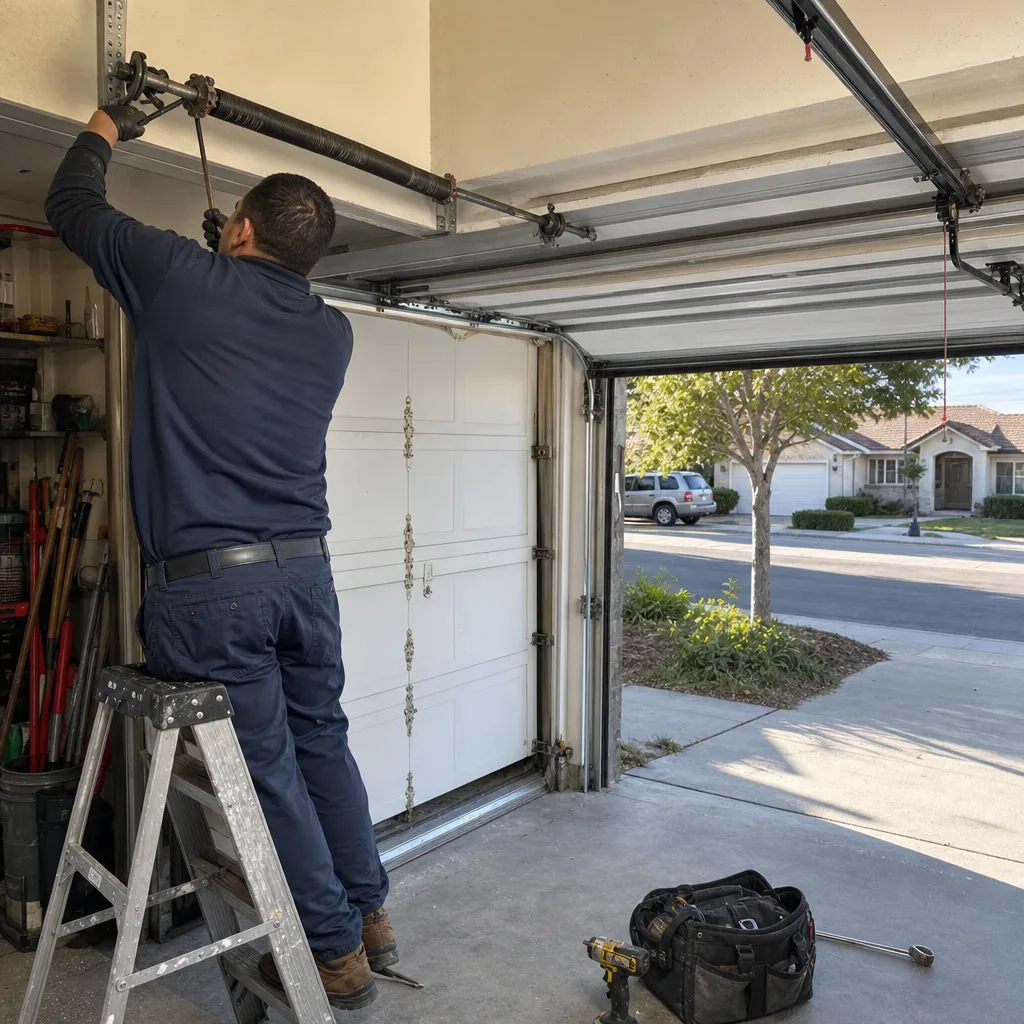
Last updated November 3, 2026
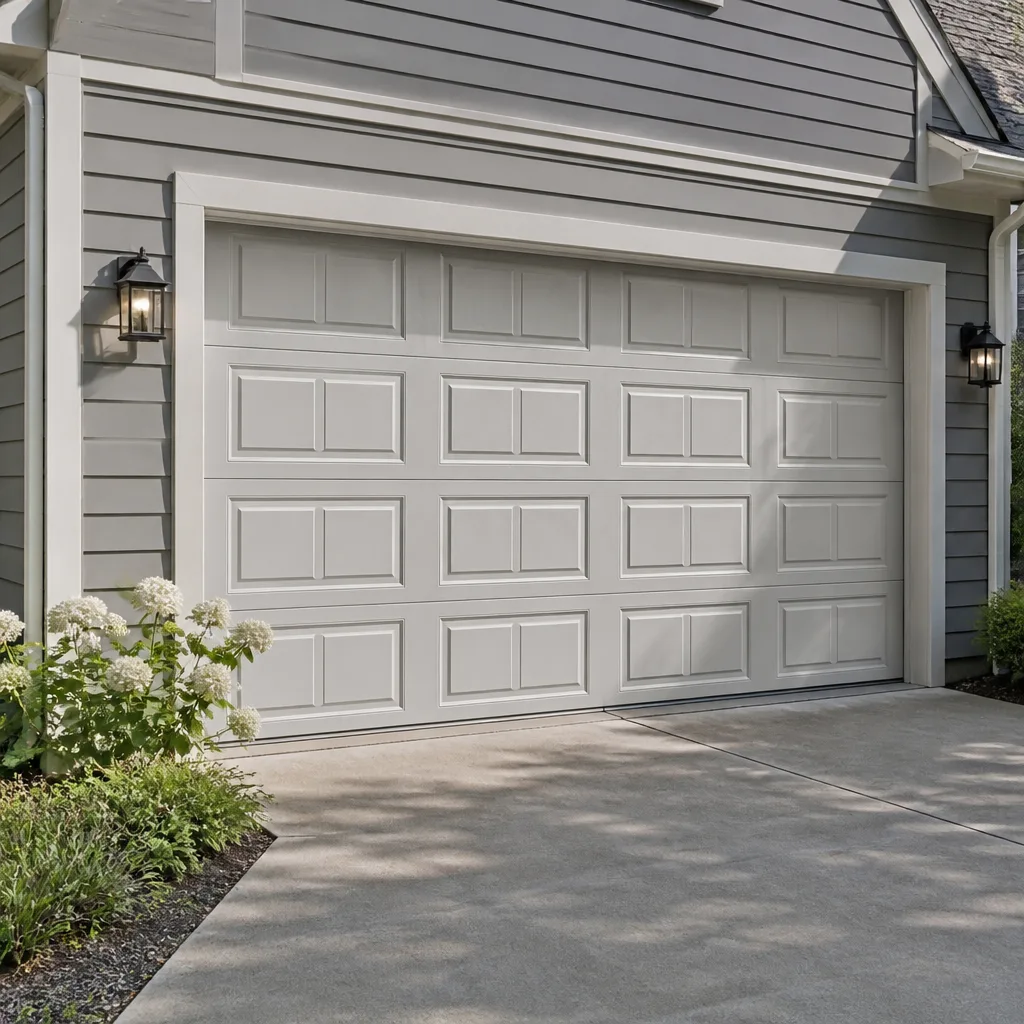 Raised-panel steel
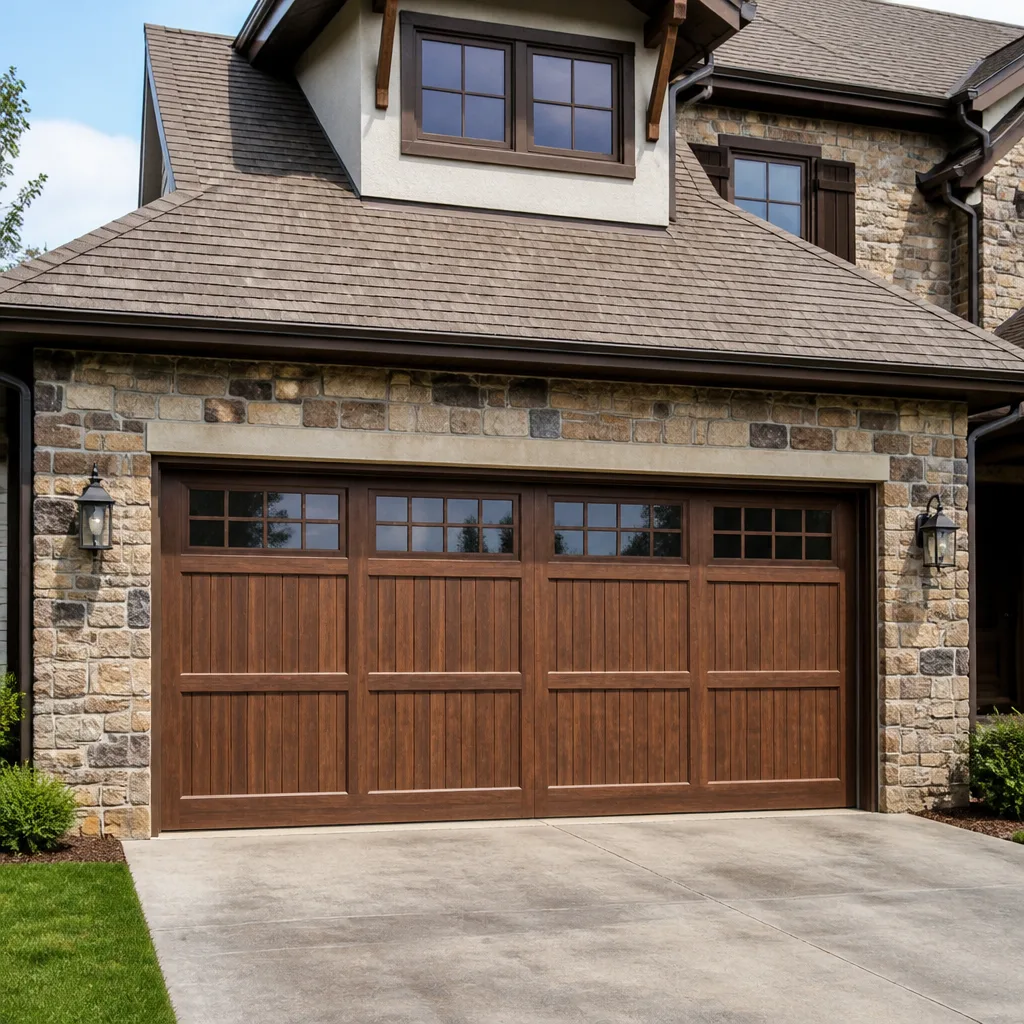 Carriage house
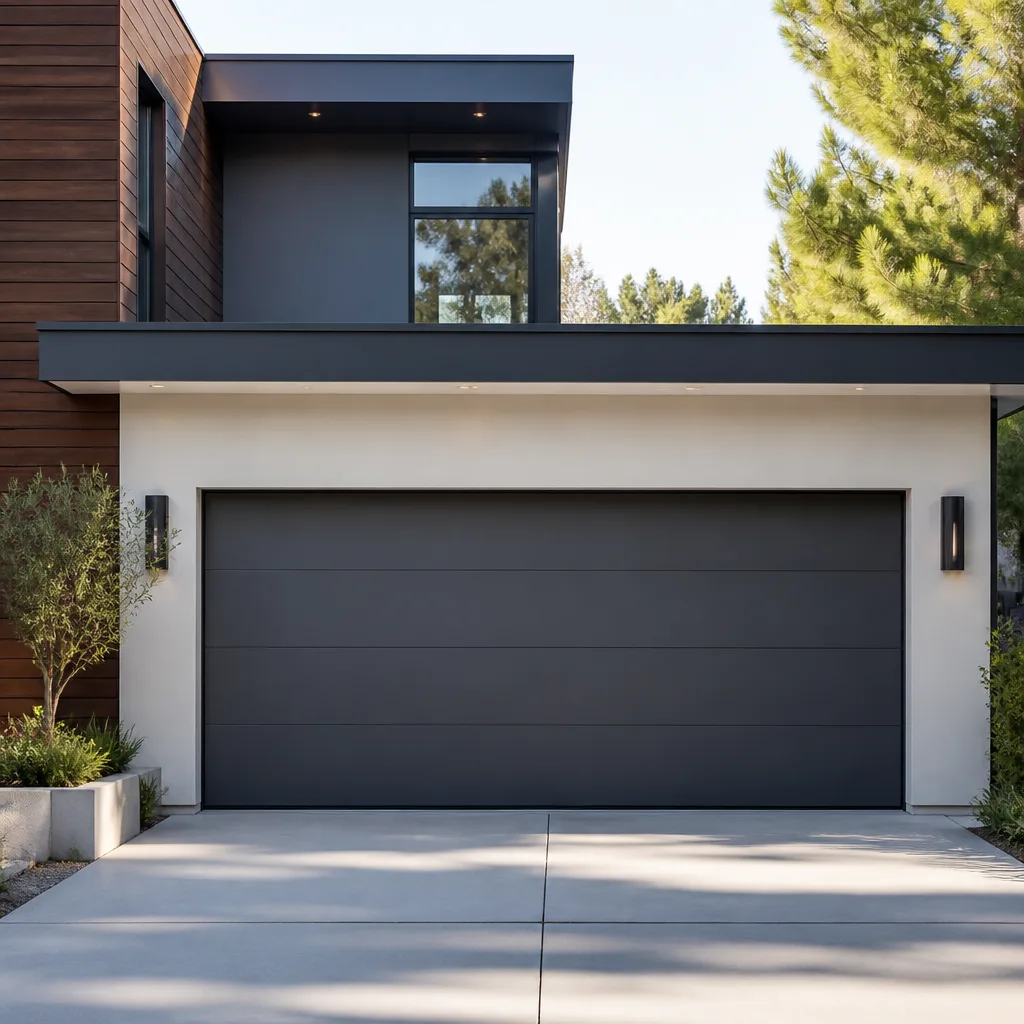 Modern flush
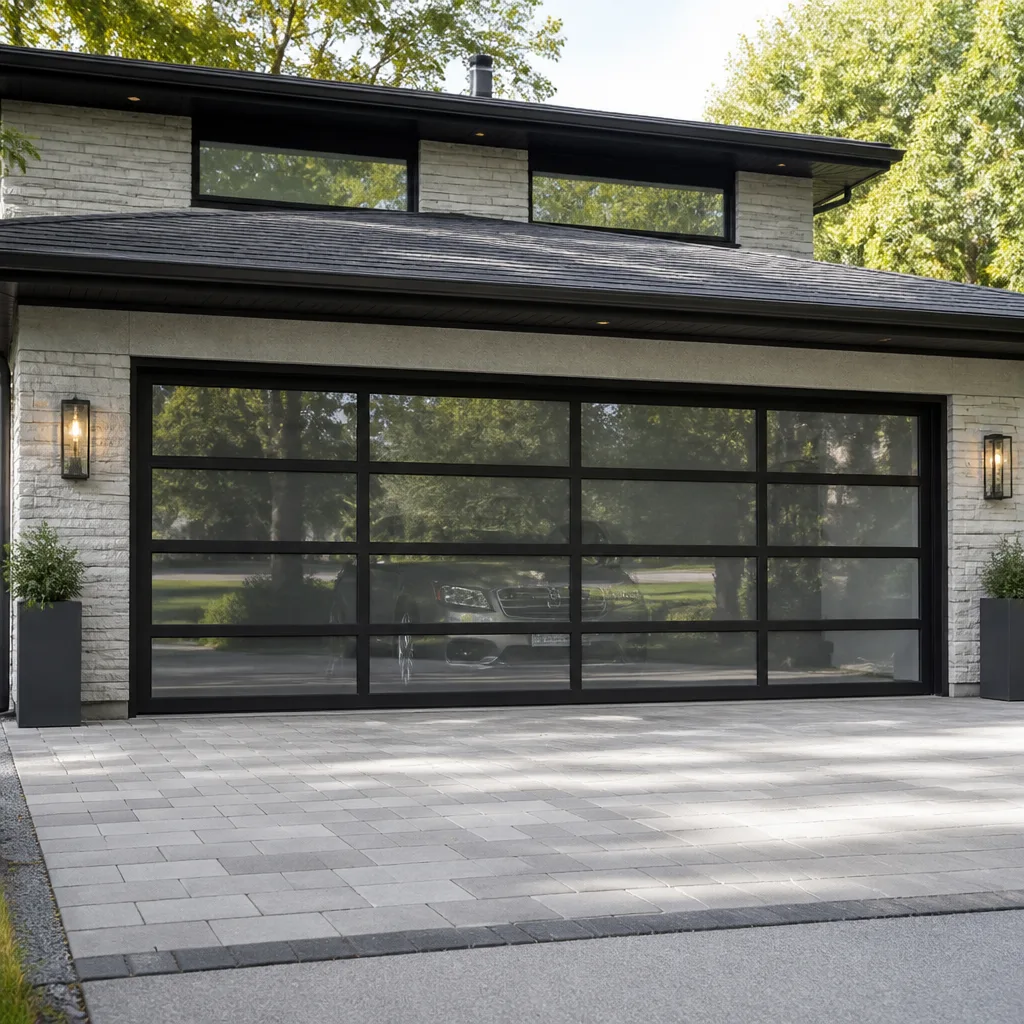 Full-view glass
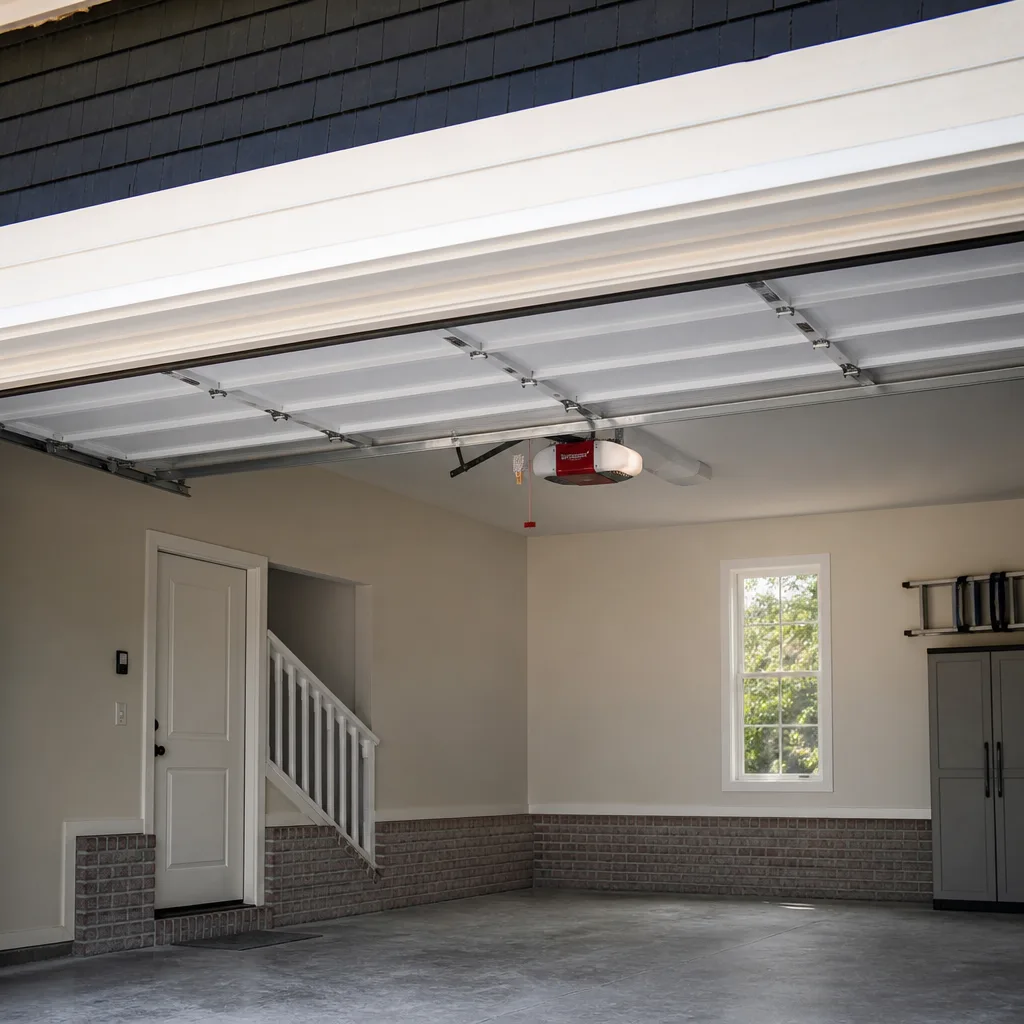 LiftMaster openers
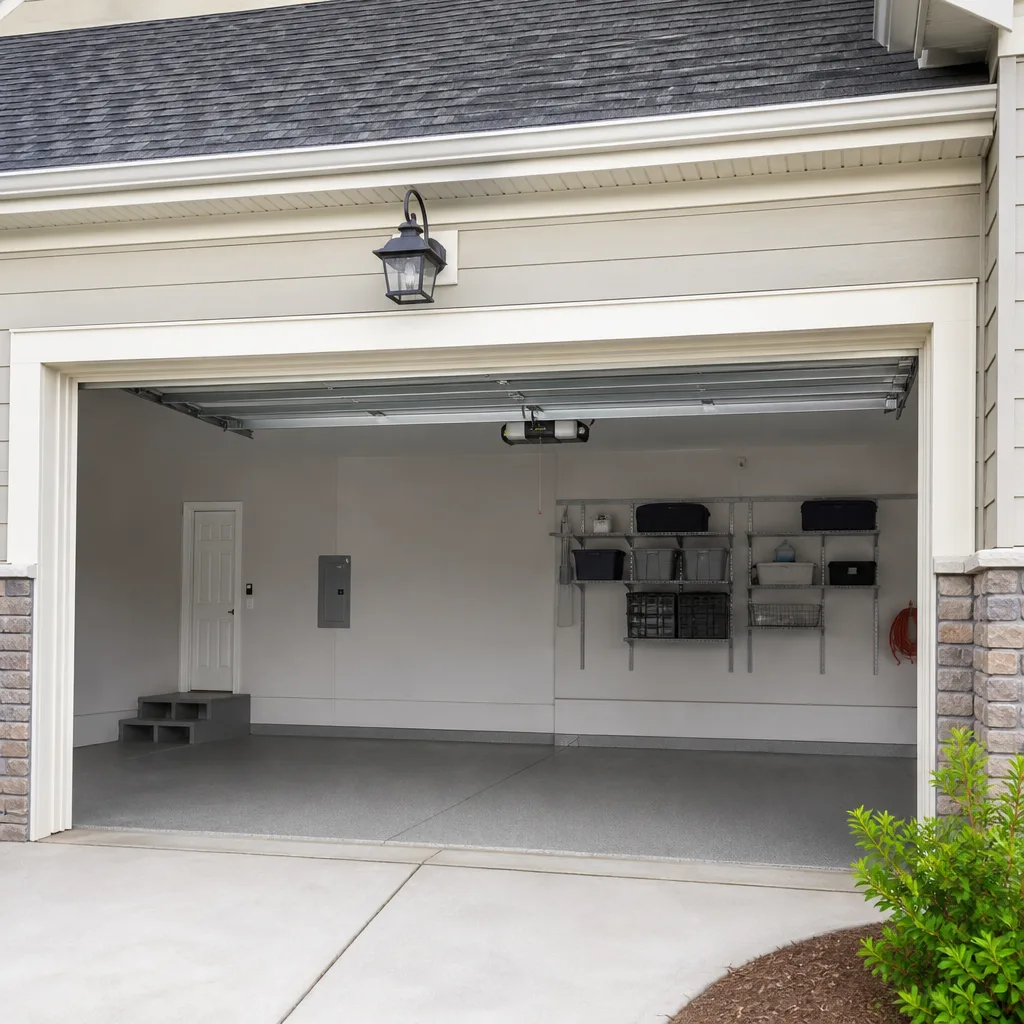 Chamberlain openers
Full 25-point door and opener safety check with every visit - springs, cables, rollers, tracks, and your LiftMaster or Chamberlain opener included
You get a price before we start. It does not change when the truck arrives.
Get your free estimateSeasonal Garage Door Care for Gilroy: Year-Round Homeowner’s Guide
The month most garage door springs fail in coastal Central California is not January. It’s October, when overnight temperatures drop 20 degrees after a summer of thermal expansion cycles. Homeowners in Gilroy who wait for the first cold snap to think about their garage door are usually calling us a week after it was preventable. This guide walks through what actually happens to your garage door in each season here, what to check, what to ignore, and when to spend money versus when to hold off. For a deeper dive, see The Complete Garage Door Repair Guide for Gilroy Homeowners. We’ve written it specifically for Gilroy’s climate, because the generic national advice about freeze-thaw cycles and snow load has nothing to do with what your door faces here.
Quick Answer
Seasonal garage door care in Gilroy means different things by season: fall is for lubrication and cable tension checks before the rainy season, winter is for weatherstripping audits and condensation monitoring, spring is for post-rain corrosion inspection of torsion hardware, and summer is for alignment checks on thermally expanding steel doors. Most homeowners can handle visual inspections, but anything involving springs, cables, or opener recalibration should involve a trained technician.
Styles & brands we work with
- Raised-panel steel
- Carriage house
- Modern flush
- Full-view glass
- LiftMaster openers
- Chamberlain openers
Table of Contents
- Fall: The Pre-Rain Lubrication and Cable Tension Window
- Winter: Fog Season Weatherstripping and Condensation Clues
- Spring: Post-Rain Corrosion Inspection Points
- Summer: Thermal Expansion and Alignment Drift
- Year-Round: Opener Sensitivity and Temperature Swings
- Common Mistakes to Avoid
- When to Call a Professional
- Frequently Asked Questions
Fall: The Pre-Rain Lubrication and Cable Tension Window
October and November in Gilroy are the months that determine whether your garage door survives winter without a service call. The reason comes down to moisture and temperature. After the dry heat of August and September, the first rains push into the Santa Clara Valley, and the overnight temperature drop from the 80s to the 50s causes every metal component in your garage door system to contract. If your cables were already under-tensioned, that contraction is what snaps them. If your hinges were already dry, that contraction is what binds them.
This is also the window when we see a spike in spring failures across Gilroy neighborhoods from Eagle Ridge to Sunrise Court. Torsion springs have a rated cycle life, usually 10,000 cycles on standard springs and 15,000 to 20,000 on long-life springs from brands like Wayne Dalton and Raynor. What cycle ratings don’t tell you is that the spring’s actual failure point often arrives during a seasonal temperature swing, not during the hottest day of summer.
What to do in October and November, in order:
- Lubricate every moving part before the first heavy rain. Use a garage door-specific silicone or lithium spray on hinges, rollers, bearing plates, and the torsion spring itself. Skip WD-40: it displaces moisture but doesn’t leave a durable lubricating film.
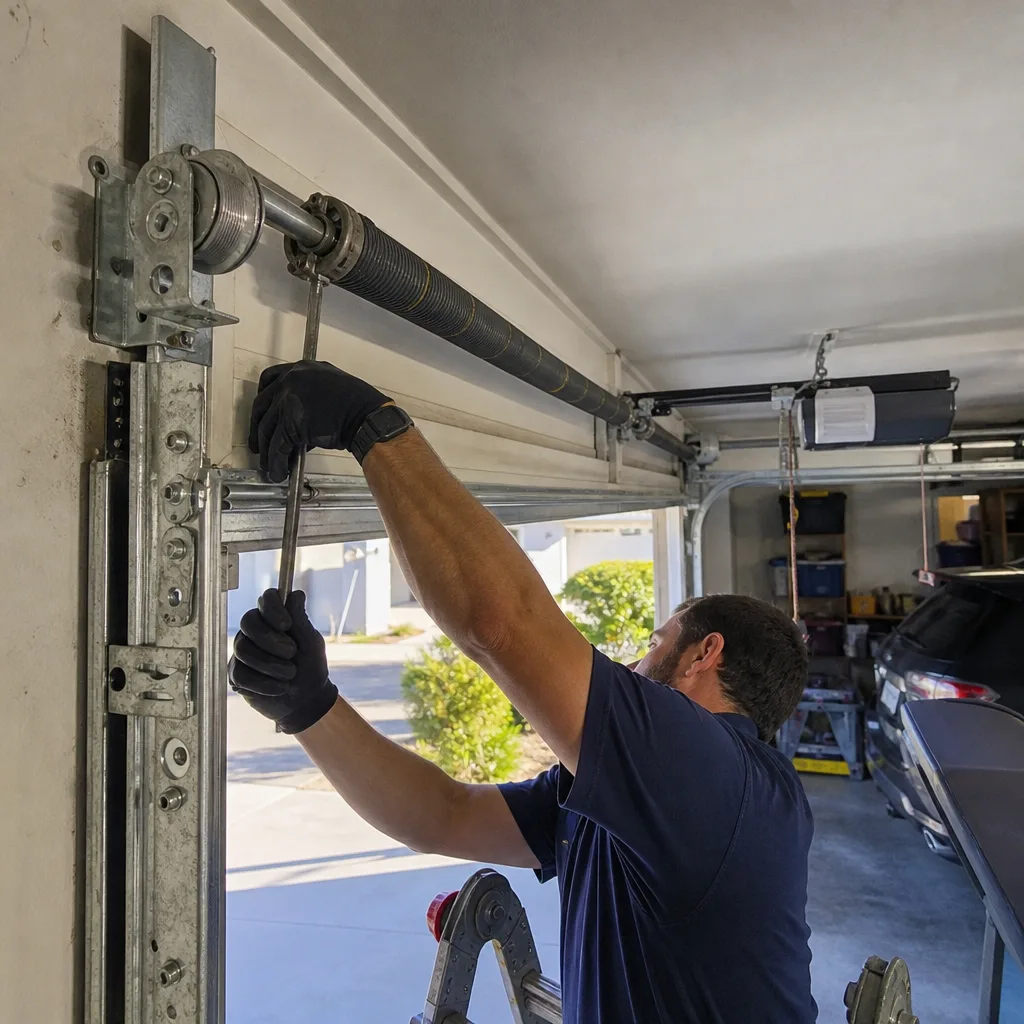
- Check cable tension visually. Stand inside the garage with the door closed and look at both lift cables. They should be taut against the drums. Any slack on either side means the door is unbalanced, and that’s a failure waiting for the next temperature drop.
- Run the door through a full cycle and listen. Grinding from the spring area usually means a bearing is dry or the spring is beginning to bind. Squeaking from the track means the rollers need lubrication or replacement.
- Test the door balance manually. Pull the release handle on your opener and lift the door by hand. It should stay in place around waist height. If it drifts up or down, the spring tension is off, and you need a technician to correct it before it breaks.
We work on the brand you already have, and in the fall we see more Wayne Dalton and Craftsman doors with cable issues than any other brands, simply because those systems have smaller cable drums that amplify any tension imbalance. Whether you have a Raynor or a LiftMaster opener paired with a Clopay door, the fall checklist doesn’t change much by brand. The calendar does the same thing to every brand.
Winter: Fog Season Weatherstripping and Condensation Clues
Gilroy winters are defined by fog, not freeze. Morning tule fog rolling through the valley from late November through February means consistently high humidity, and that means moisture problems show up on your garage door long before you notice them anywhere else. The most useful diagnostic you can do in winter isn’t on the door itself: it’s looking at what the door tells you about the air inside your garage.
Condensation on the interior side of your door panels is a real signal, because it means warm, moist air is trapped inside the garage and the door’s thermal seal has failed. In Gilroy, the most common cause is weatherstripping that’s cracked, hardened, or pulled away from the framing after years of summer UV exposure and winter moisture. You can check this in January in about 10 minutes:
- Close the garage door on a foggy morning and crouch down to look along the bottom seal. Light visible under the seal means the door isn’t closing tightly against the slab, and that’s how cold, damp air gets in.
- Check the vertical weatherstripping on both sides of the door jamb. It should contact the door along the full edge. Gaps near the floor or near the top corners mean the stripping has to be re-secured or replaced.
- Look at the top seal above the door. This one gets ignored constantly, and in Gilroy fog season it’s a primary entry point for moisture, which then condenses on steel panels and rusts them from the inside out over several seasons.
What this condensation reveals is worth listening to. A door that’s condensed on the inside is trapping moisture against your steel panels, your painted finish, and your hardware. That’s not cosmetic: moisture against the torsion spring bore causes surface corrosion that shortens the spring’s usable life. We routinely see Gilroy garage doors that need spring replacement in winter, not because of cold, but because the springs have been sitting in a damp garage environment all season. The repair itself is straightforward; the diagnosis is the part most people miss.
For full context on how these winter issues connect to broader repair decisions, our Garage Door Service Gilroy home page covers how we diagnose these conditions across all eight brands.
Spring: Post-Rain Corrosion Inspection Points
By March, Gilroy has typically received the bulk of its seasonal rainfall, and the morning fog is starting to lift. That’s the signal to inspect the parts of your garage door system that have been sitting in wet conditions for three or four months. The corrosion points that matter aren’t the obvious ones. Nobody misses a rusted bottom panel. What gets missed is hardware corrosion that doesn’t look dramatic but affects function.
Here’s what we look at on a spring inspection, and what you can check yourself:
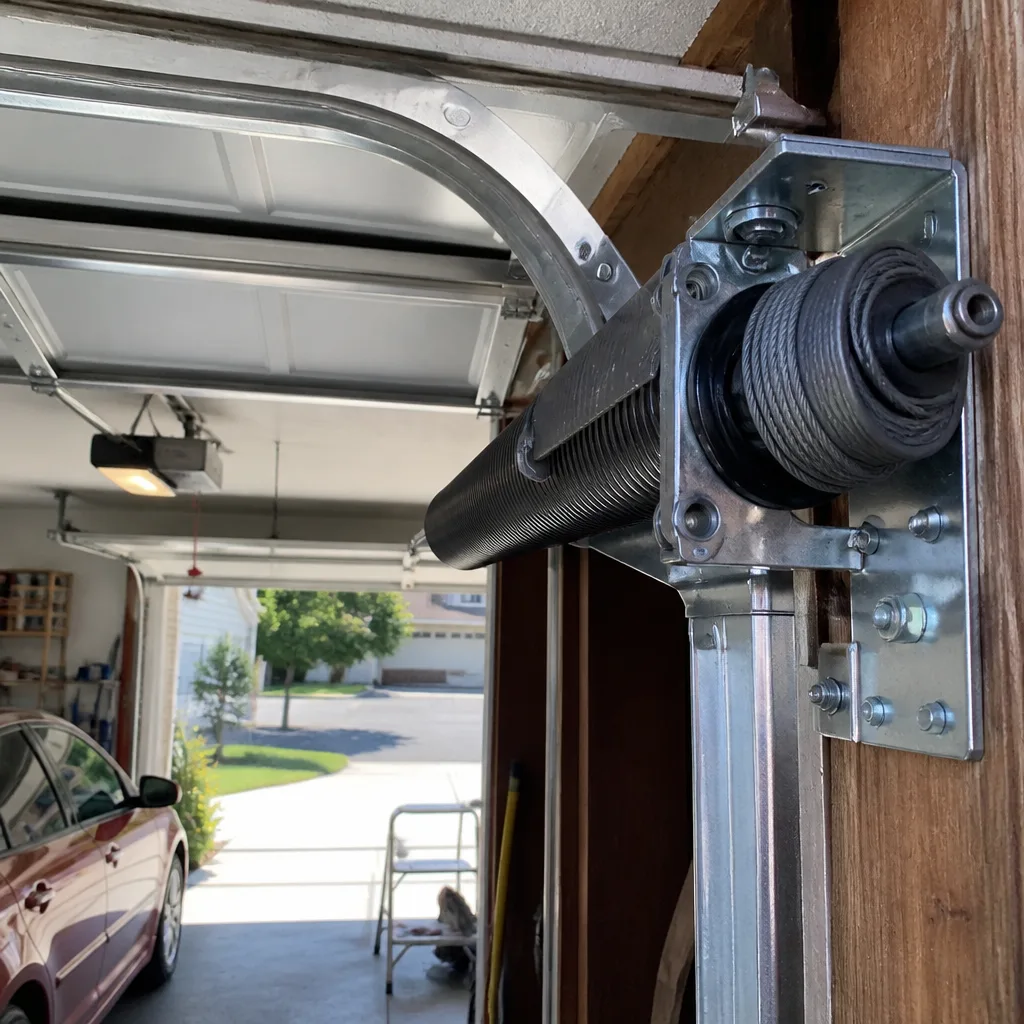
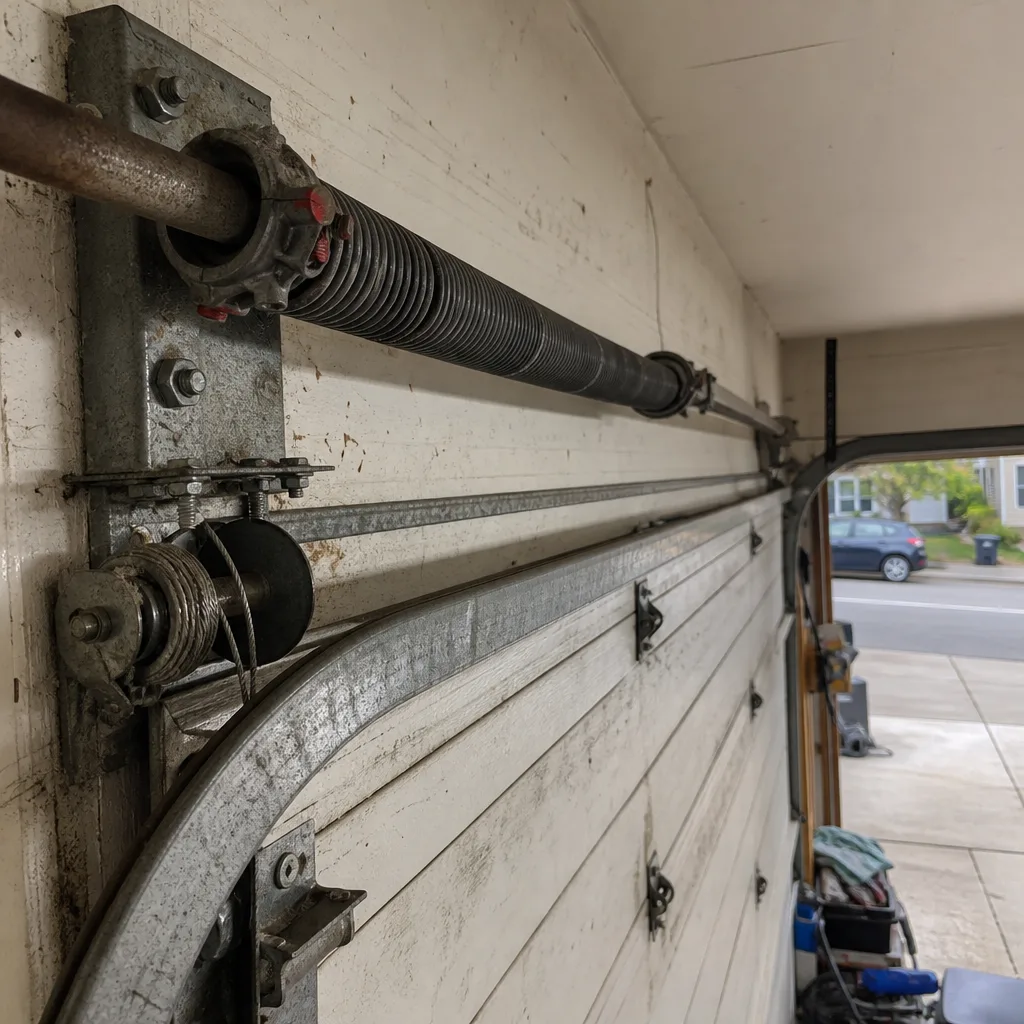
- Torsion spring winding cones and set screws. These are the parts that take the most tension load while sitting in damp air. Surface rust here is normal. What’s not normal is flaking, pitting, or a reddish-brown dust that appears when the spring moves. Any of those means the spring is degrading faster than its cycle rating suggests, and it should be evaluated.
- Hinge leaf contacts. Each hinge connects two panels and carries load every time the door moves. In Gilroy’s winter moisture, the hinge pins accumulate a layer of rust that works into the hinge barrel over time. That’s why a door that ran smoothly in October can sound gritty in April. The fix is usually lubrication, but if the play in the hinge is visible, replacement is the right call.
- Track brackets and bolts. These are mounted to the framing and exposed to whatever moisture the door surfaces pick up. Rusted bracket bolts are a maintenance item, not a panic item, but ignore them long enough and a bracket can lose clamping force, which changes track spacing and starts the door binding.
- Bottom roller carriers. The bottom rollers sit in the lowest section of track, which is where water pools after rain. If the nylon wheel is worn or the carrier shows rust, the fix is inexpensive now and expensive later, because worn bottom rollers are one of the root causes of cable slack and door imbalance.
If you’re in the Freedom area and noticing post-rain stiffness in your door, our Garage Door Repair in Freedom page explains what we check on spring inspection calls and how we match the fix to the specific brand and model you have.
Summer: Thermal Expansion and Alignment Drift
Gilroy summers are dry, but they’re also hot, and heat is the variable that gets ignored in seasonal garage door guides written for other climates. Steel garage doors expand measurably when panel temperatures rise from overnight 50s to afternoon 100s. The expansion isn’t large per panel: a 16-foot-wide door might grow a few millimeters across its width on a 100-degree day. But a few millimeters is enough to change the relationship between the panel edge and the track, and that’s when you start hearing rubbing, scraping, and the specific sound of a door that’s just barely binding on one side.
Dark-painted doors show this effect more than light ones because panel temperatures run higher. A black or dark brown steel door on a west-facing Gilroy garage can reach surface temperatures 30 degrees above the air temperature. The panels expand, the margins between panel and track shrink, and the door drifts out of alignment. What’s really happening is thermal elongation: steel grows about 6.5 millionths of its length per degree Fahrenheit. Over a 16-foot span and a 40-degree diurnal swing, that’s a real, measurable change.
What to check in summer:
- Look for rub marks on the track. Metal on metal contact leaves a polished or scored line. If you see one, the door has already been contacting the track under load, and it’s a question of when, not if, it starts binding.
- Check panel alignment on a hot afternoon. Stand outside with the door closed and look across the panel seams. If the panels seem slightly buckled or the seam gaps are inconsistent, that’s thermal stress showing up visually. It may settle overnight, but repeated cycles fatigue the panel.
- Test the balance again. The spring’s tension can shift meaningfully between cold mornings and hot afternoons. A door that’s balanced at 7 a.m. may be out of balance at 3 p.m. That’s not a reason to adjust the spring: it’s a reason to know your spring’s condition, because if it’s marginal, summer heat is what reveals it.
If you’re seeing summer alignment drift and you live in the Freedom area, the misalignment is often addressed during a routine Garage Door Installation in Freedom evaluation, especially if the existing door has reaches the point where realigning old track is no longer the smart use of money.
Year-Round: Opener Sensitivity and Temperature Swings
Most garage door openers made in the last 15 years have force-sensing circuits that adjust the motor’s push or pull based on resistance. What they don’t all handle well is a door whose resistance changes with temperature. A manually balanced door that’s easy to lift in October can be noticeably harder to move in July, purely from panel expansion and hardware friction. If your opener’s force setting was calibrated on a cool day, it may be under-correcting on a hot one, and under-correction means either the opener stops halfway or it applies too much force trying to compensate.
The right way to handle this in Gilroy is to recalibrate opener sensitivity on a schedule tied to temperature swings, not just the calendar. For most homes, that means twice a year: once around late March or April, when the weather has shifted from the rainy season to the dry season with substantial daytime warming, and once in late October, when the nighttime temperatures drop and the first rains arrive. Split the difference with a summer check if you have a dark-painted door or a west-facing garage.
This applies most to openers with adjustable force dials or menu-driven sensitivity settings. Modern smart openers, including the LiftMaster and Chamberlain units with myQ connectivity, have internal compensation that handles a range of door weights, but even those benefit from a physical door condition check alongside the recalibration. A smart opener can tell you the door is moving; it can’t tell you a roller is about to seize.
If your opener is older, a Craftsman or a legacy Genie unit, sensitivity calibration is often a physical adjustment screw on the motor housing, and it’s easy to get wrong if you don’t know which direction is which. In our experience, more DIY opener adjustments end with a door that reverses instantly or doesn’t stop at the floor than with a correctly tuned system. When a simple recalibration turns into an opener that behaves worse than before, that’s the point to stop, because further adjustment can damage the opener’s logic board or, worse, create a situation where the door doesn’t reverse when it should.
Common Mistakes to Avoid
- Using WD-40 as a garage door lubricant. WD-40 is a penetration oil and water dispersant, not a long-term lubricant. It cleans briefly and then leaves the part drier than before. In Gilroy’s winter moisture, hardware lubricated with WD-40 is more likely to bind within weeks.
- Skipping fall lubrication and waiting for the first cold snap to think about the door. The thermal contraction that stresses cables and springs happens before you feel the cold. By mid-October, the window is already closing.
- Ignoring condensation on the inside of the door panels. This isn’t just an annoyance. It’s a signal your weatherstripping has failed and moisture is being trapped against your door system. Over a few seasons, the same moisture corrodes hardware and delaminates panel edges.
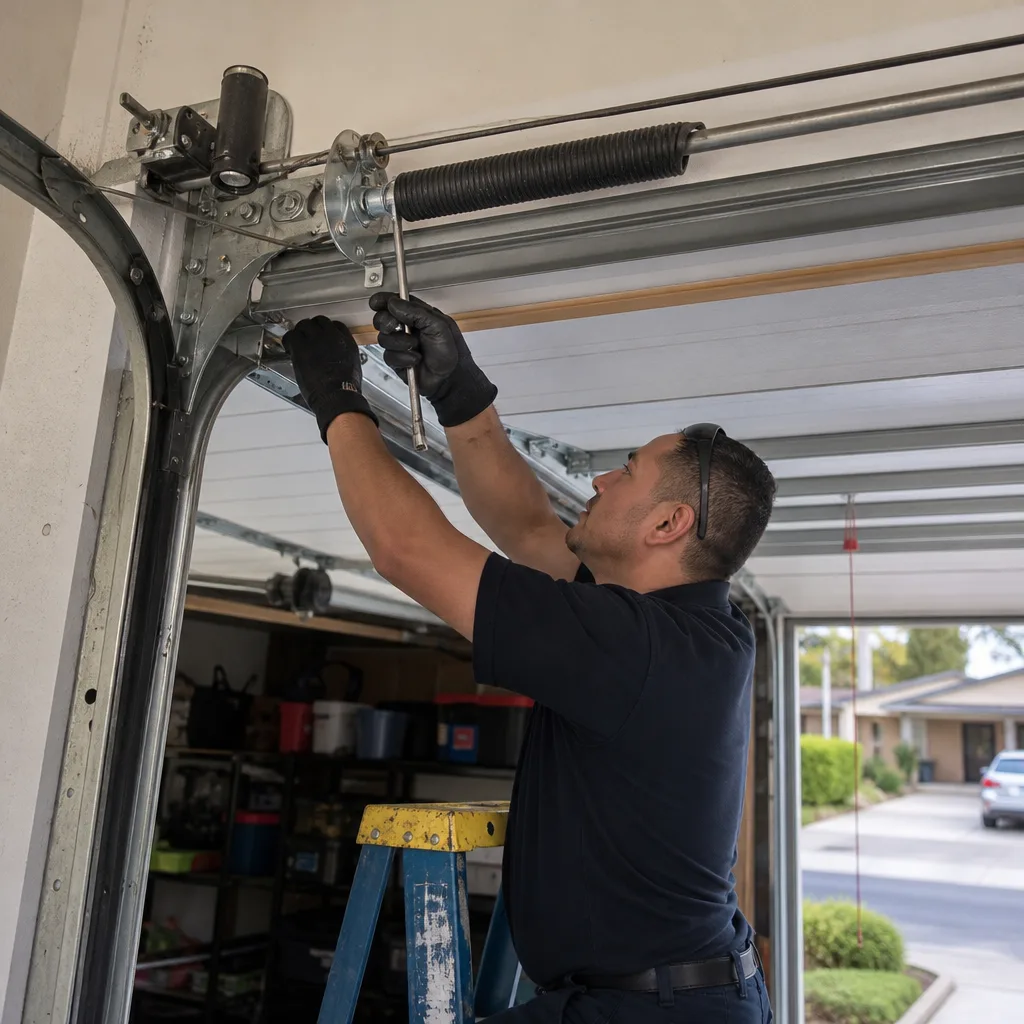
- Adjusting torsion springs yourself. Torsion springs on modern residential doors are under enough tension to cause severe injury or worse. If you hear “I can tighten that myself,” the answer is no, you can’t, and shouldn’t.
- Repainting a dark-colored door with a darker color and then ignoring summer alignment. The darker the panel, the hotter it runs, and the more it expands. If you live in Gilroy and your door faces south or west, a dark repaint without a corresponding maintenance schedule is a predictable path to track wear.
- Replacing the opener when the door itself is the problem. A door that’s binding or unbalanced will kill a new opener within a couple of years. The opener can’t compensate for a mechanical problem it wasn’t designed to solve.
When to Call a Professional
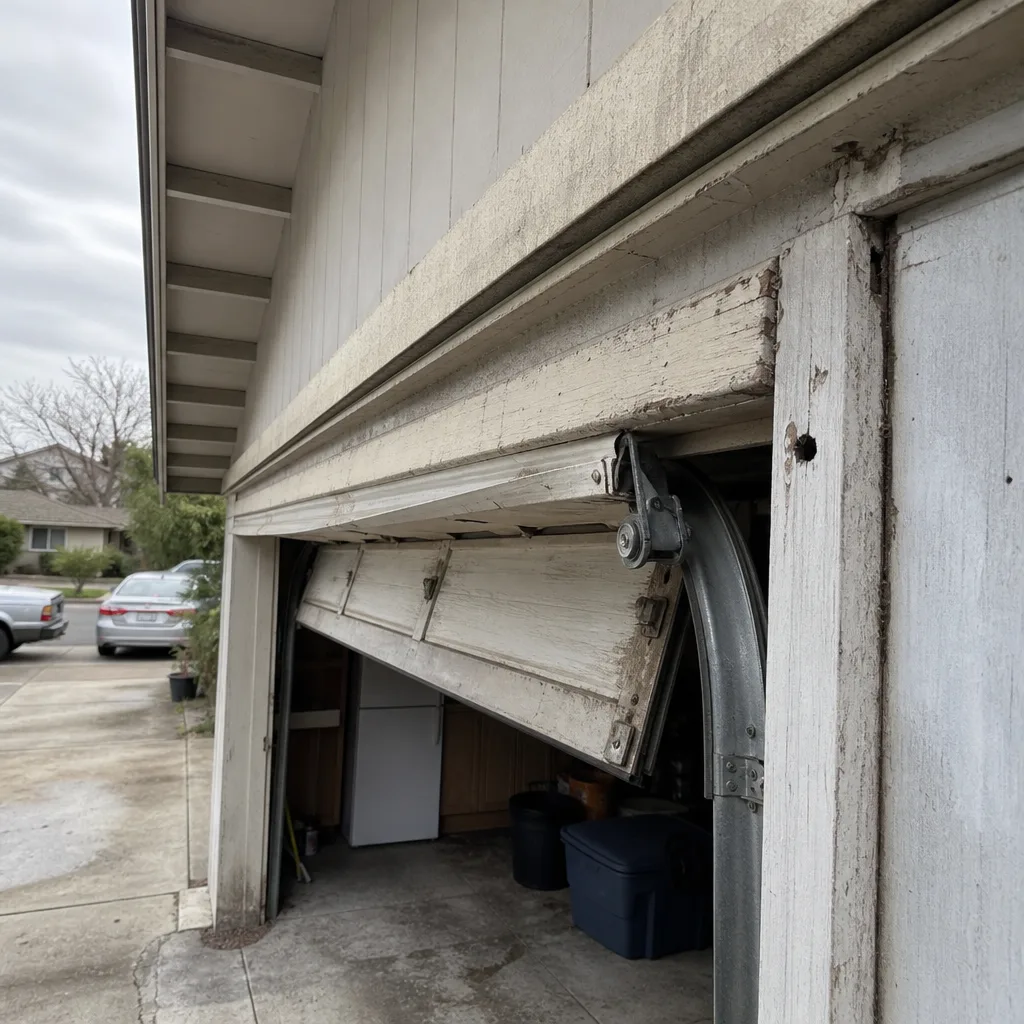
There are about half a dozen conditions that should make you pick up the phone instead of the toolbox. Any visible slack in a lift cable, any gap or crack forming in a torsion spring, any door that jumps or jerks during travel, any opener that fails to reverse properly when blocked, any track separation from the framing, and any door that’s been in service for more than eight years without a professional inspection. These are not subtle signals, and none of them improve with time. Garage Door Service Gilroy offers free estimates in Gilroy, and we’re honest about when a repair is worth it versus when a replacement makes more sense. Call (833) 593-6706.
Frequently Asked Questions
Twice a year: once in October before the rainy season starts, and once in late March or April after the winter moisture has passed. This schedule aligns with the actual stress points in Gilroy’s climate. If your door is dark-painted or faces south or west, add a summer check. Lubrication takes about 15 minutes and uses less than $20 in spray.
The creak is thermal contraction: overnight temperatures drop, metal components shrink slightly, and parts that weren’t quite aligned in daytime heat now rub against each other. Morning fog adds humidity that temporarily changes friction on hinges and rollers. If the creak fades as the day warms, you’re hearing thermal cycling. If it persists or worsens, you’re hearing wear, usually hinge pins or roller bearings, and that’s a repair item. Call (833) 593-6706 if you can’t tell which one you’re hearing.
Late spring through early fall is the most predictable window for door installation, because you’re past the heavy moisture and before the next rainy season. Replacing a door in the rainy season isn’t impossible, but the installation exposes the opening for a couple of hours, and soggy conditions slow track mounting and sealing work. Planned installations in May through September are the most straightforward in our experience.
A professional seasonal inspection and tune-up in Gilroy typically runs between $85 and $160 depending on the condition of the door, whether any hardware needs replacement, and which brand you own. Most tune-ups include lubrication, balance testing, track inspection, and opener force adjustment. Additional parts such as rollers, weatherstripping, or hinges are quoted separately and at prices that vary by brand. To get an exact number for your door, call (833) 593-6706 for a free estimate.
Yes, with strict boundaries. You can visually inspect weatherstripping, test the door balance by hand, listen for unusual noise, and lubricate hinges, rollers, and springs with a garage door-specific spray. You should not touch torsion springs, lift cables, or opener force adjustments. Those components carry stored energy that can cause severe injury if released incorrectly. A trained professional with the right tools and experience handles those safely, and the work is far cheaper than an emergency room visit.
Yes. Smart openers like LiftMaster and Chamberlain with myQ handle many self-diagnostics, but they still move a physical door, and that physical door still expands, contracts, and wears. The opener’s sensors can detect that the door moved, but they can’t detect a rusting hinge pin or a cable that’s about to lose tension. A seasonal check of the door itself protects the opener, because the most common cause of smart opener failure is a door that became too hard to move without anyone noticing. Our Garage Door Opener Repair in Freedom page covers how we handle these systems specifically.
The Bottom Line
Seasonal garage door care in Gilroy is a four-season pattern that doesn’t look like the national guides. Fall is for lubrication and cable tension before the rains. Winter is for weatherstripping and condensation checks during fog season. Spring is for corrosion inspection after months of moisture. Summer is for thermal expansion and alignment checks on hot afternoons. And year-round, your opener’s force settings need attention on the same temperature-driven schedule, not an arbitrary calendar date. None of this is hard to understand, and most of it takes minutes to check, but the part that matters is doing it at the right time for this climate, not the one a generic article describes. For more guides & resources, visit our blog.
Written by the team at Garage Door Service Gilroy, serving Gilroy since 2018.
See the difference
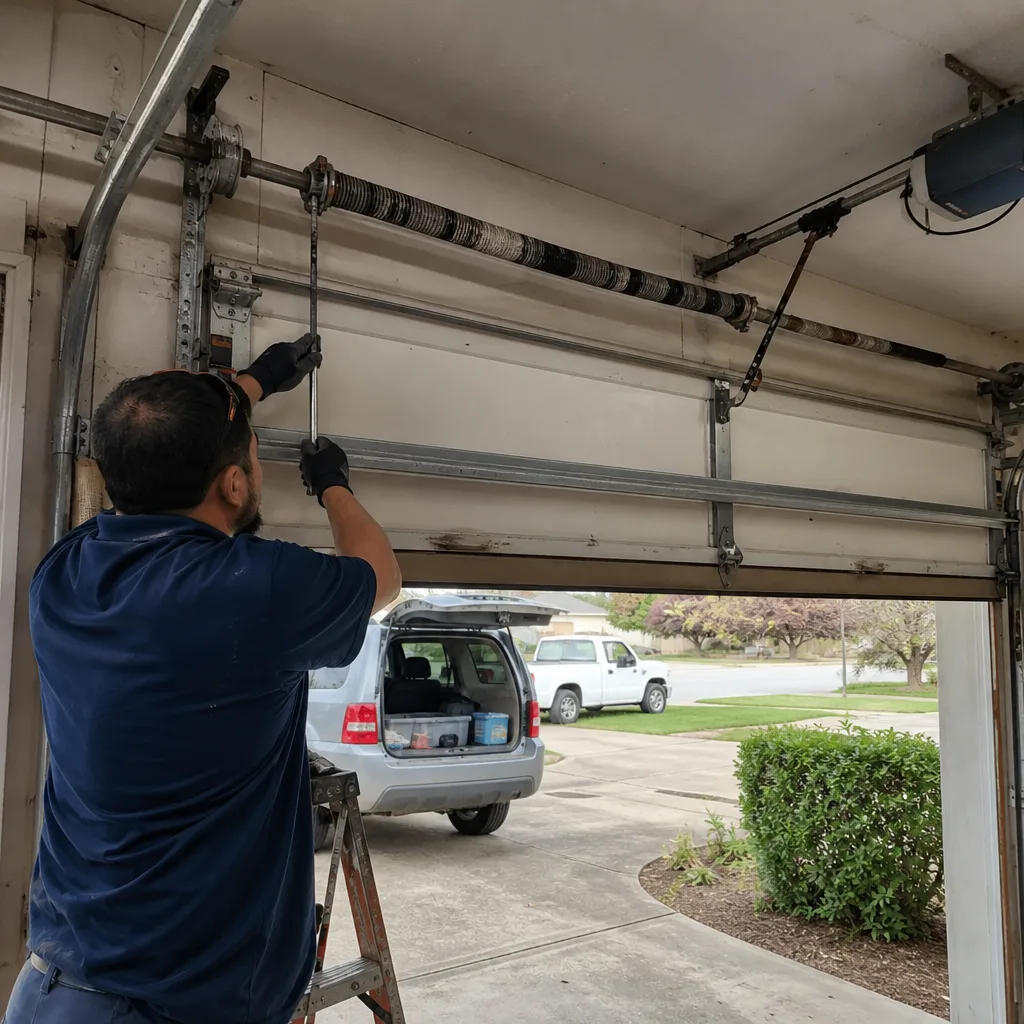 Before
 After
 Before
 After
 Before
 After