
Last updated November 2, 2026
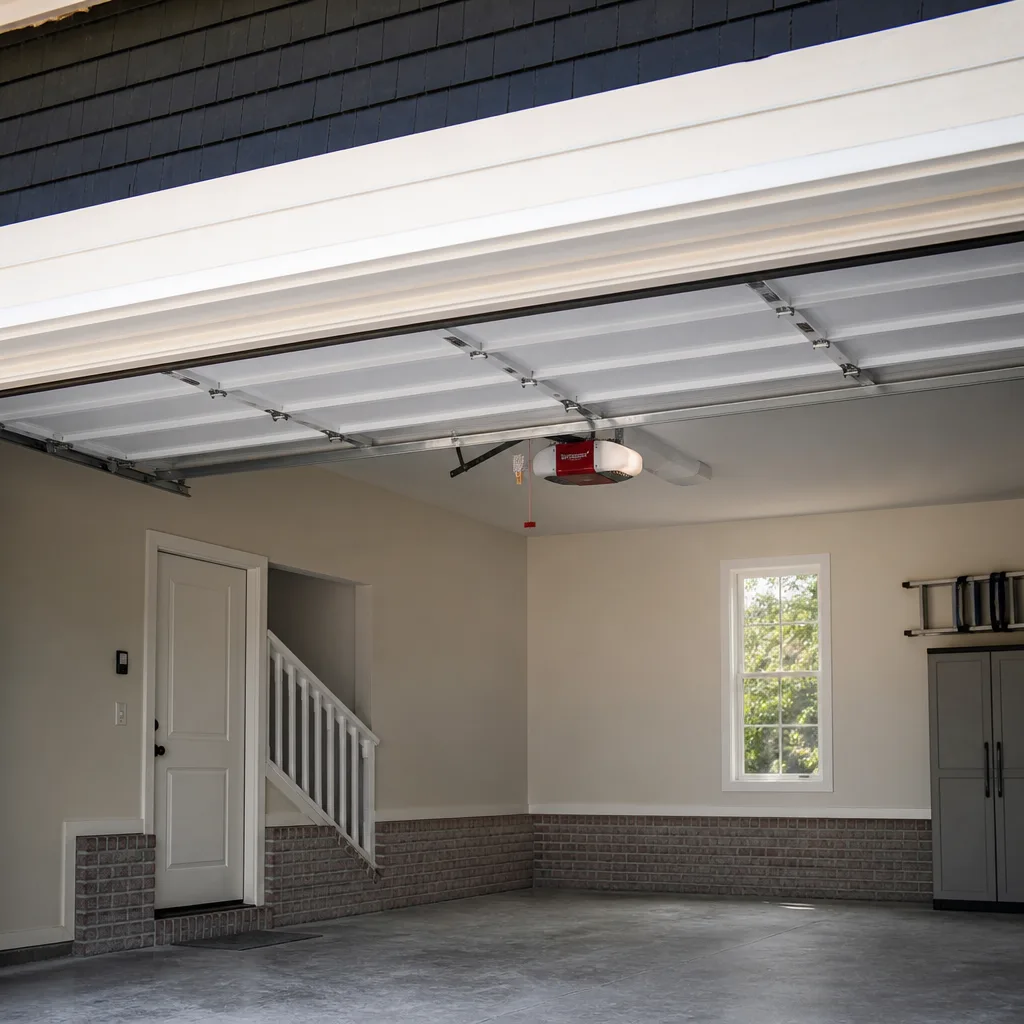
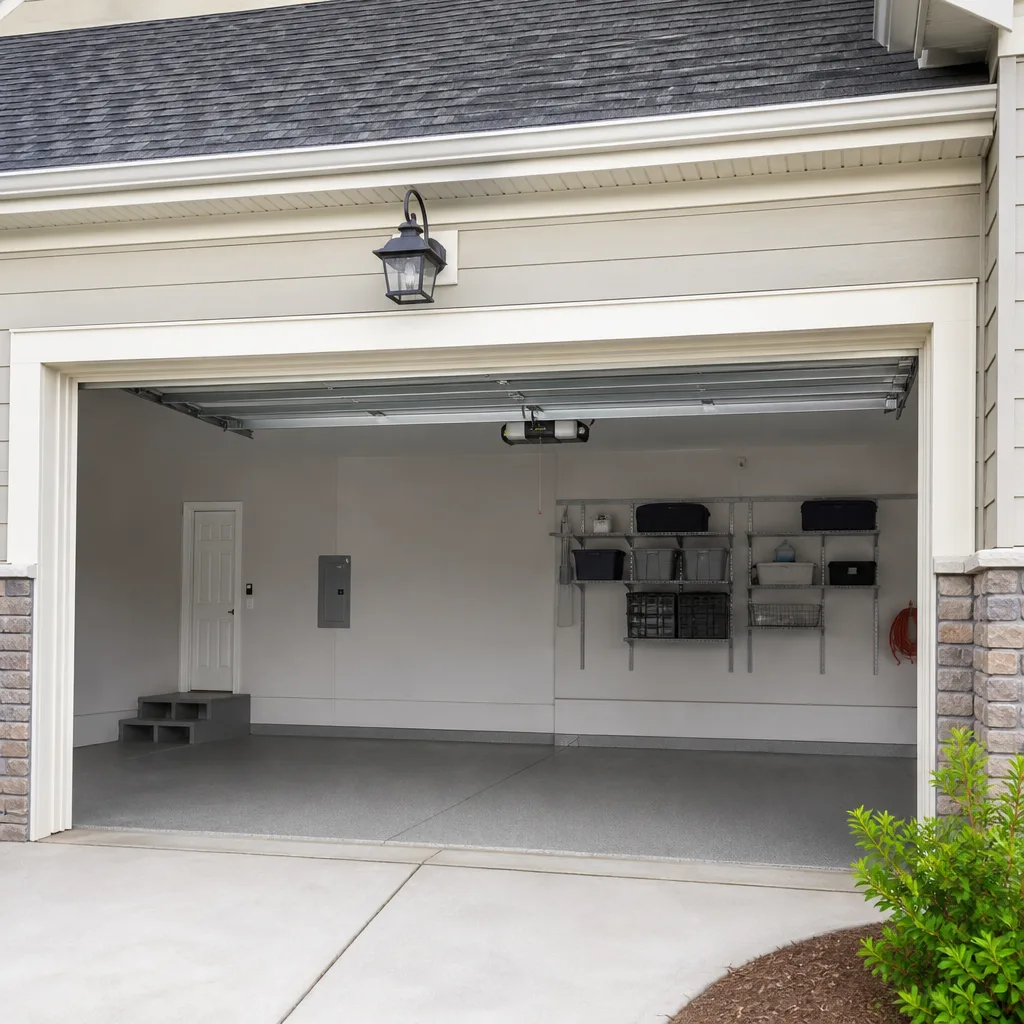
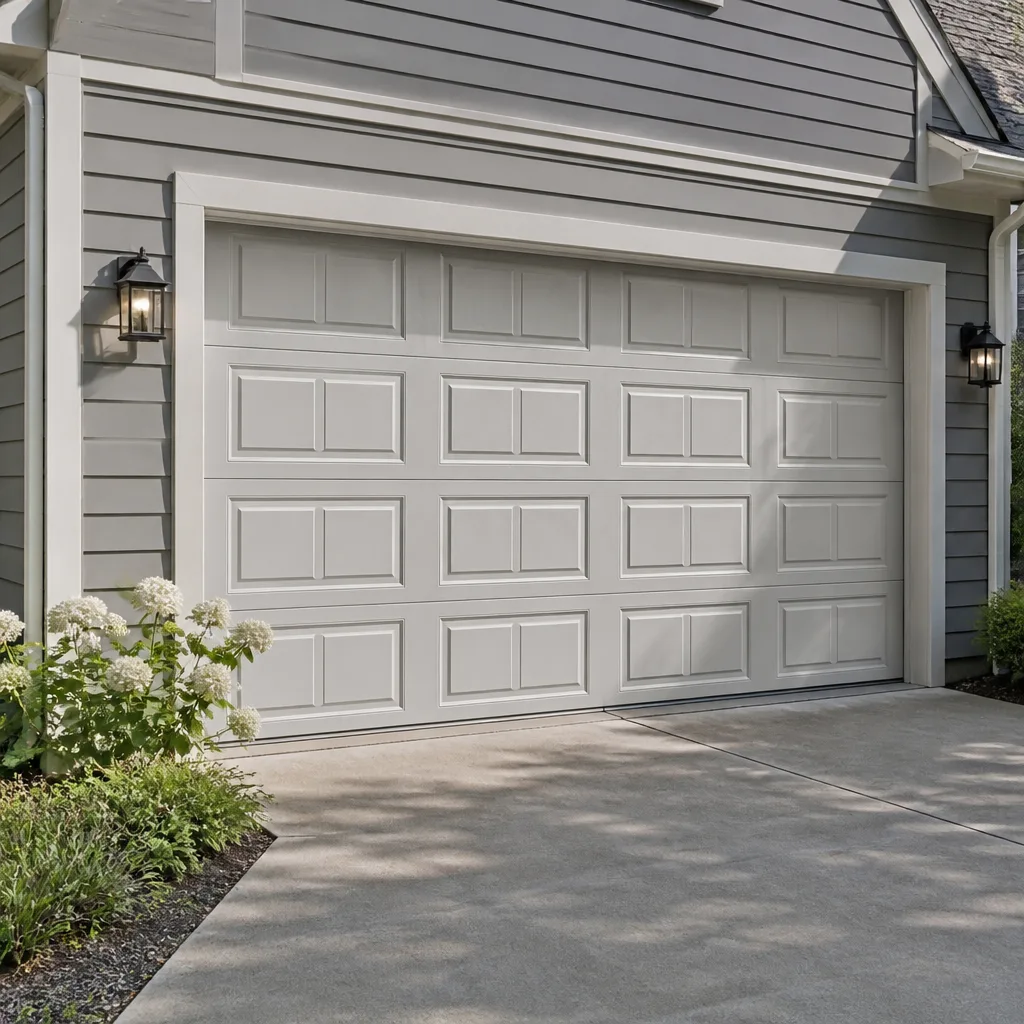 Raised-panel steel
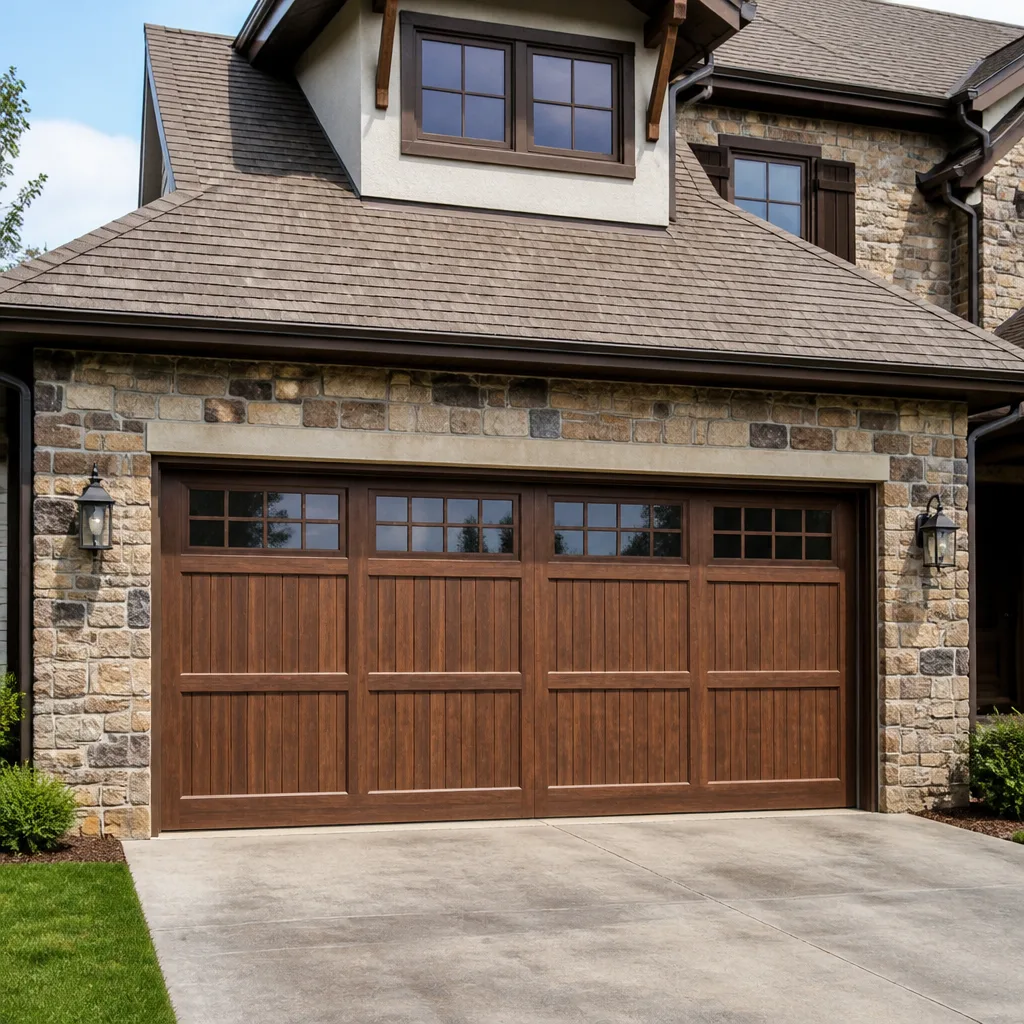 Carriage house
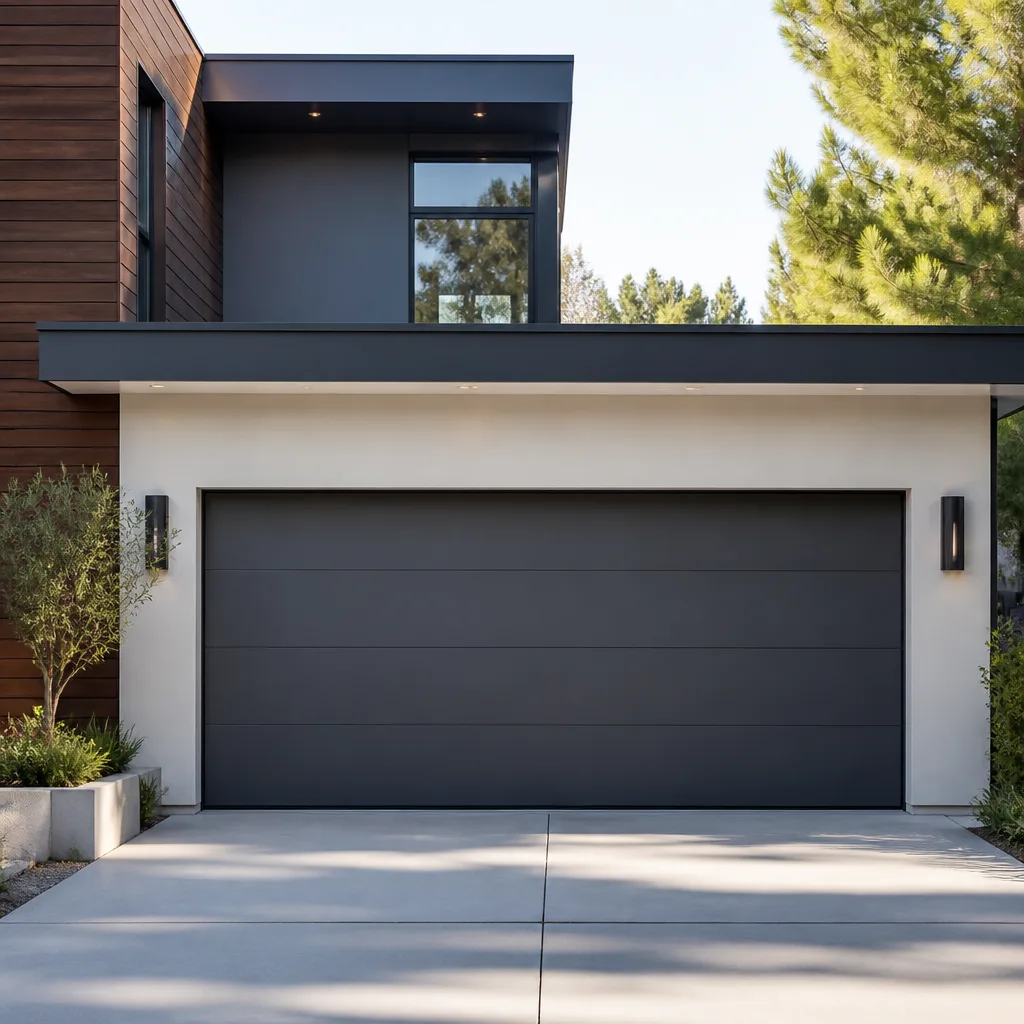 Modern flush
 Full-view glass
 LiftMaster openers
 Chamberlain openers
Full 25-point door and opener safety check with every visit - springs, cables, rollers, tracks, and your LiftMaster or Chamberlain opener included
You get a price before we start. It does not change when the truck arrives.
Get your free estimateDIY vs Professional Garage Door: The Gilroy Homeowner’s Decision Guide
Every year, somewhere in Santa Clara County, a homeowner winds up in an emergency room after a torsion spring lets go. Not because they were careless. Because the spring held hundreds of pounds of torque they had no way to measure, and the YouTube video that made it look manageable never mentioned that the presenter had done the same job professionally for fifteen years. This guide draws the line between garage door tasks a competent Gilroy homeowner can handle on a Saturday morning and the ones that carry real, documented risk of injury or property damage. We’ll cover exact costs, the tool that separates safe from dangerous, and a hybrid approach that uses professional diagnosis to keep DIY prep work cheap and safe.
Quick Answer
Most garage door maintenance tasks, like lubricating rollers, replacing weatherstripping, and realigning safety sensors, are genuinely safe for a careful DIYer and cost under $40 in parts. But anything involving torsion springs, lift cables, or opener rail disassembly crosses a hard technical line: those components store enough energy to break bones or worse, and the repair requires specialized tools and calibration that aren’t worth learning once. In Gilroy, the smart split is DIY the easy maintenance, call a professional for springs, cables, and opener motor work.
Styles & brands we work with
- Raised-panel steel
- Carriage house
- Modern flush
- Full-view glass
- LiftMaster openers
- Chamberlain openers
Table of Contents
- The Hard Line: Stored Energy vs. Simple Maintenance
- What’s Genuinely Safe for DIY (And What You’ll Need)
- What’s Never DIY, No Matter Your Skill Level
- Cost Honesty: What DIY Saves vs. What It Costs When Done Wrong
- The Winding Bar Rule: Why One Tool Is a Hard Stop
- The Hybrid Approach: Professional Diagnosis, Homeowner Prep
- Gilroy-Specific Factors: Climate, Code, and Common Repairs
- Common Mistakes to Avoid
- When to Call a Professional
- Frequently Asked Questions
The Hard Line: Stored Energy vs. Simple Maintenance
Garage doors split into two categories: components that hold stored mechanical energy under tension, and components that simply move, wear, or block signals. That distinction matters more than your skill level, your tool collection, or your patience. A loose bolt on a hinge won’t hurt you. A torsion spring with eleven turns of stored torque will.
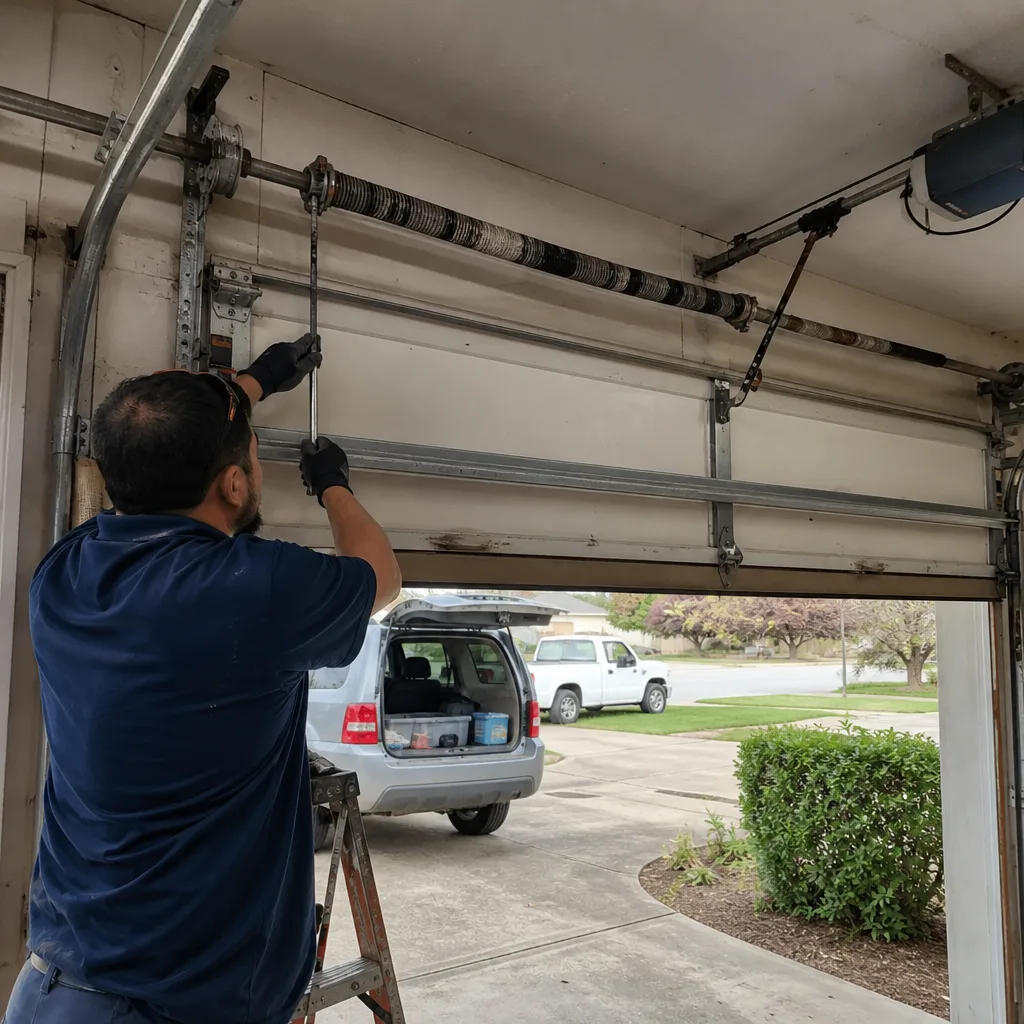
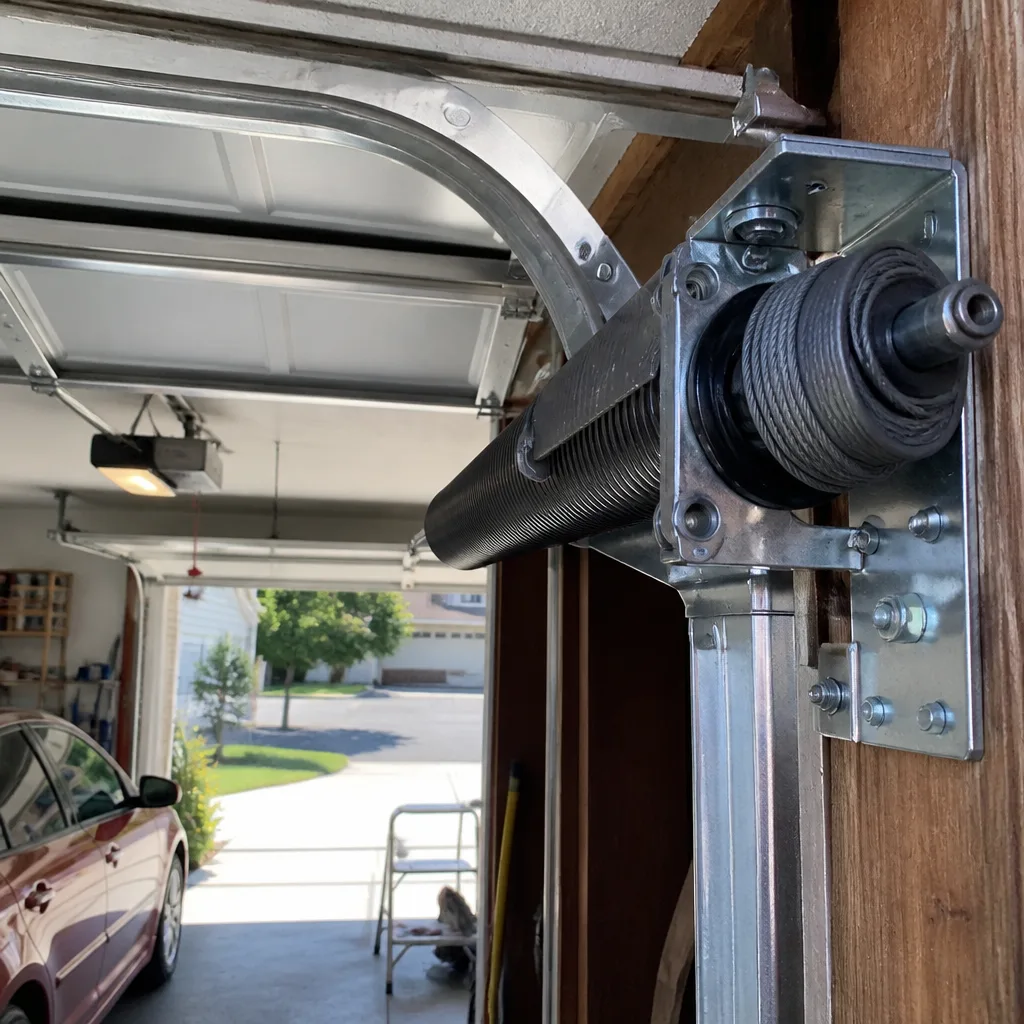
A standard residential torsion spring on a double-wide door in Gilroy holds roughly 100 to 150 pounds of torque per turn when wound. Most springs are wound seven to eight turns. That’s 700 to 1,200 pounds of rotational force waiting for a path to release. The spring doesn’t care whether that path is the winding cone or your forearm. Lift cables under a broken spring snap with enough velocity to cut through drywall and skin. Extension springs, common on older Gilroy homes built before 1990, store similar energy linearly: when one lets go, the recoil travels the full length of the track in a fraction of a second.
Simple maintenance parts don’t store energy. Rollers wear and get noisy. Weatherstripping cracks in Gilroy’s summer heat. Sensor lenses collect dust and spider webs. Remote controls lose programming after power outages. None of these can hurt you beyond a pinched finger or a bruised ego.
Here’s the distinction in plain terms:
- Stored energy components: torsion springs, extension springs, lift cables, bottom brackets, opener motor and rail assembly. These can injure or kill when mishandled.
- Wear-and-replace components: rollers, hinges, weatherstripping, sensor eyes, remotes, keypads, lubricant points, track bolts. These are mechanical but not dangerous.
In our experience, most Gilroy homeowners overestimate the difficulty of the second category and underestimate the danger of the first. That’s exactly backwards.
Our full garage door service in Gilroy covers both, which means we see the full spectrum: the easy jobs homeowners could have done themselves, and the aftermath of spring jobs they never should have attempted.
What’s Genuinely Safe for DIY (And What You’ll Need)
These six tasks are the legitimate DIY territory for a competent homeowner. Each requires basic tools you probably already own or can buy for under $30 at any Gilroy hardware store or home center. None involves stored energy. If one of these goes wrong, the worst outcome is a second trip to the store for a replacement part.
- Lubricating moving parts. Use a white lithium grease on the hinges, roller stems, and torsion spring (spray only, never touch). Spray the rail lightly if you have a chain-drive opener. Do this twice a year. Gilroy’s dry, dusty summers mean doors get gritty faster here than in coastal towns. Takes fifteen minutes, costs about $8 for a can.
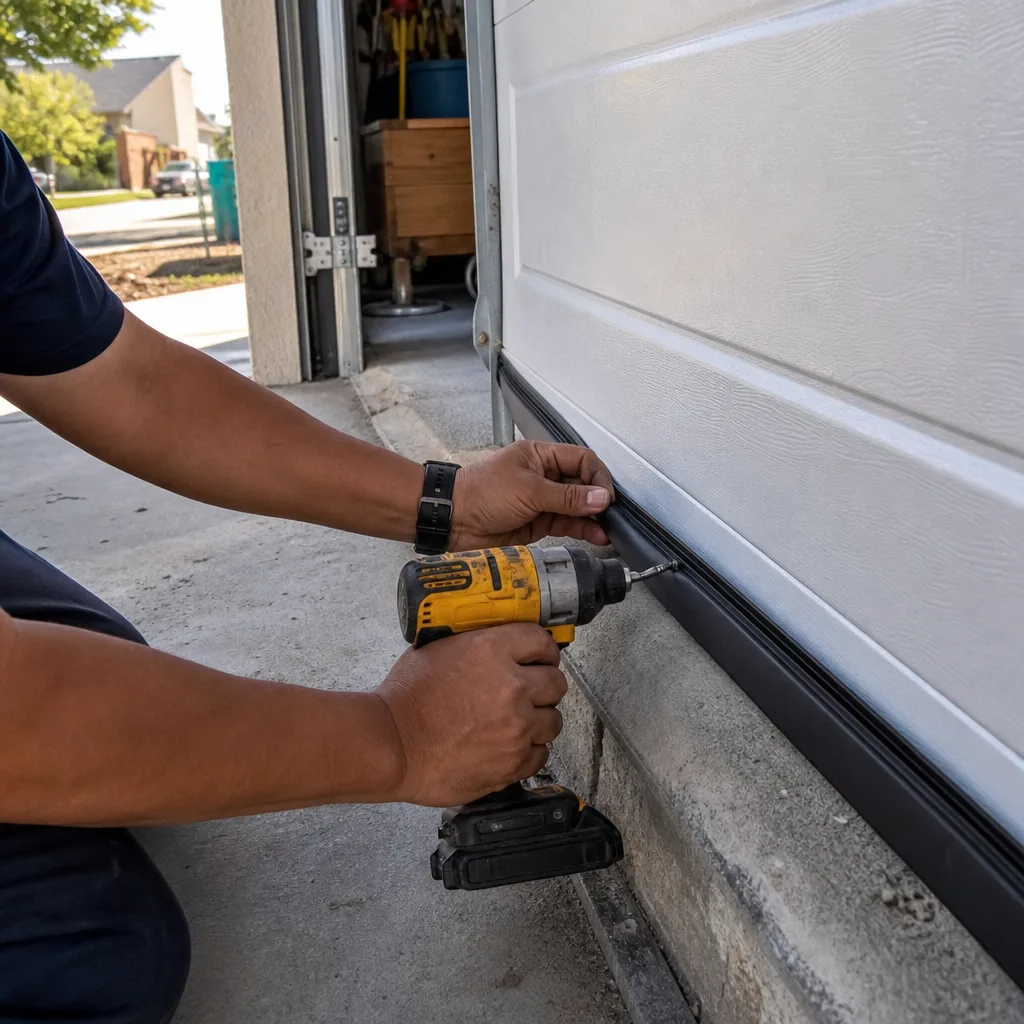
- Replacing bottom weatherstripping. Slide out the old rubber strip from the bottom retainer, slide in the new one. If you’re replacing the full retainer, that’s four to six bolts, but the door itself stays closed and loaded. No spring tension involved. Cost: $12 to $30 depending on door width. Fixes drafts, dust, and rodent entry, which matters in Gilroy’s agricultural outskirts.
- Realigning safety sensors. If your opener won’t close and blinks, the photo eyes are misaligned or blocked. They mount at the bottom of each track with wing nuts. Loosen, point them at each other, check the small light comes on solid, tighten. Costs nothing but ten minutes. This is the most common avoidable service call we get in Gilroy.
- Reprogramming remotes and keypads. LiftMaster, Chamberlain, Genie, and Raynor all have model-specific pairing procedures. A quick search of the model number printed on the motor housing gives you the button sequence. Takes five minutes, costs nothing. If the remote itself is dead, replacement remotes run $25 to $40 and pair in minutes.
- Tightening loose bolts and nuts. Track brackets, hinge bolts, and opener mount bolts all vibrate loose over time with daily use. A socket set and fifteen minutes gets most of them snug. Don’t overtighten; you want firm, not stripped.
- Cleaning and inspecting the door. Wipe down the panels, inspect for rust or dents, check the tracks for debris. Gilroy’s agricultural dust and occasional coastal fog combine to leave a film that accelerates wear on rollers and springs. A clean door reveals problems early.
What you need for all six: a socket set, a flathead screwdriver, a step ladder, white lithium grease, and replacement weatherstripping matched to your door. Total tool investment if starting from zero: about $75. None of these require specialty winding bars or tension experience because none of these touch the tension system.
What’s Never DIY, No Matter Your Skill Level
There’s a category of garage door work that is not a question of skill. If a certified technician with ten years of experience makes a mistake on these, the result is a hospital trip or a door down on a car. For a homeowner with a YouTube education, the risk compounds enormously. These tasks share one feature: they involve releasing or re-tensioning stored energy.
- Torsion spring replacement. This is the flagship danger. The winding bars used to tension these springs are 18-inch steel rods that slide into the winding cone. At full tension, each rod is holding hundreds of pounds. If the cone slips, the rod becomes a projectile. The most common injury is a broken forearm or wrist; the most common cause of death is head impact from the bar or the cone itself. Never attempt this. In Gilroy, a torsion spring replacement runs $180 to $340 installed, including the spring.
- Extension spring replacement. Older Gilroy homes have doors with extension springs running along the horizontal tracks. When one breaks, the other side goes with it, and the door slams or hangs. Replacement requires installing a safety cable through the new spring (a code requirement in California), which most DIY videos skip. A spring without a safety cable that lets go becomes a razor-sharp projectile aimed at whatever is in its path, which is usually your face or your car.
- Lift cable replacement or reattachment. Cables attach to the bottom brackets under full spring tension. They look slack when the door is closed, but that’s deceptive. The moment you unbolt a bottom bracket, the tension runs through the bolt you’re removing. These cables have amputated fingers and cut to the bone through leather gloves.
- Bottom bracket replacement. Same issue: the bracket holds the cable, the cable holds the spring tension, and unbolting it without first releasing that tension turns a $15 part into a loaded weapon.
- Opener rail or motor disassembly. Openers contain a capacitor that holds a charge even when unplugged. The rail carries a chain or belt under motor tension. Disassembling either without discharging the capacitor and disconnecting the carriage interrupts the door’s safety logic. Smart openers like LiftMaster with myQ and Chamberlain’s connected systems add a layer of circuit complexity that a generalist handyman often won’t touch and a homeowner definitely shouldn’t.
- Track realignment on doors with active spring tension. Tracks that are bent or knocking out of alignment need the door weight relieved before any adjustment, otherwise the rollers bind under the spring’s pull. Prying a track while the door is loaded bends it further and puts your hands directly in the line of force.
We work on doors in Gilroy where a homeowner tried one of these. The patterns are consistent: a door off its tracks, a cable whipped through a drywall ceiling, a winding bar embedded in drywall, a car hood dented by a door that crashed. The repair bill after a failed DIY spring job is almost always triple what the original fix would have cost.
Cost Honesty: What DIY Saves vs. What It Costs When Done Wrong
Let’s talk actual numbers for Gilroy. Not vague warnings. What you save doing it yourself versus what you spend when it goes wrong, based on what we see in service tickets across Gilroy, Morgan Hill, and the surrounding south county area.
What safe DIY actually saves:
- Lubrication: $0 (you’re just maintaining, not fixing). Doing this twice a year prevents roller wear and spring friction, which extends component life by years.
- Weatherstripping: $12 to $30 in parts. Hiring this out would run $85 to $150 mostly in labor. You save $60 to $120.
- Sensor realignment: $0. A service call for this runs $75 to $125 just for the dispatch. You save the whole amount.
- Remote reprogramming: $0 if the remote still works, $25 to $40 if you need a replacement. Service call would run $75 to $150. You save $75 to $150.
- Bolt tightening: $0. Prevents a $200 repair down the line when a loose track causes a cable to jump.
Those are real savings, and they add up. A Gilroy homeowner who handles lubrication, weatherstripping, and sensor alignment themselves saves $150 to $300 a year on service calls that are genuinely simple.
What failed DIY costs:
- Attempted torsion spring replacement: the spring itself is $60 to $120 wholesale. Miss one variable, the winding cone slips, and now the door is unbalanced. The repair ticket to fix a botched spring job in Gilroy runs $250 to $500 because we’re also realigning the door, checking cable damage, and often replacing a bent torsion tube. You saved $180 on labor and spent $500 instead.
- Attempted cable replacement: cable costs $12. A cable that whips through a drywall ceiling costs $250 to $500 in drywall repair, plus the $150 to $200 for us to do the cable correctly. You saved $150 and spent $400 minimum.
- Attempted opener disassembly: opener motor shorted from a capacitor mishandled: $200 to $450 for a new opener, plus installation. You saved $150 on labor and spent $450 on parts.
- Downtime: a garage door stuck open or shut in Gilroy with a car trapped is an immediate problem. Emergency service is priced by the job. A job done wrong at 8pm that becomes an emergency call the next morning is always more expensive than scheduling it right the first time.
The pattern: safe DIY saves real money. Unsafe DIY converts a $200 fix into a $500 emergency. The line isn’t your effort level. It’s which side of the spring you’re working on.
When you call us for a repair, the price is quoted and agreed before any work starts. That’s not a courtesy; it’s how garage door work should always work in Gilroy. No surprises on the invoice. Get the number, agree to the number, then we turn the wrench.
The Winding Bar Rule: Why One Tool Is a Hard Stop
Here’s a test that cuts through every garage door DIY debate: do you own a pair of winding bars? If the answer is no, you are not equipped to touch a torsion spring. Full stop.
Winding bars are steel rods, usually 18 inches long and half an inch in diameter, designed to fit precisely into the winding cone’s holes. They’re not something you find in a standard homeowner’s toolbox. They’re not something you can substitute with a screwdriver, a pry bar, or a piece of rebar. Let’s be specific about why:
- Fit tolerance. The winding cone’s holes are sized to accept a 1/2-inch bar exactly. A screwdriver shaft is too narrow, which means it wobbles under torque. A pry bar is too wide or flattened, which means it doesn’t seat fully. At 800 pounds of stored torque, wobble means slip, and slip means the bar exits the cone at speed.
- Length as leverage. Eighteen inches gives you the mechanical advantage to control the wind, and more importantly, to hold it. A shorter substitute means less control and higher force concentrated closer to your hand. A longer bar flexes and introduces a snap risk.
- Material. Winding bars are solid tool steel, heat-treated. Hardware store substitutes are often soft steel or have a chrome finish that flakes under load. A bending bar under tension is a countdown, not a tool.
- Count and discipline. You always use two bars, alternating quarter-turns, keeping one bar fully seated at all times. This isn’t instructions; this is the discipline that keeps the spring from releasing all at once. Most homeowners own zero winding bars, which means the very first time they try a spring, they’re learning that discipline with no backup.
A pair of professional winding bars costs $30 to $50. It’s not about the money. It’s that buying the bars is the cheapest part of the job, and if you’re buying them for a one-time repair, you’ve already made the decision to handle 800 pounds of stored energy with a tool you’ve never used. A professional’s winding bars have thousands of cycles on them. A homeowner’s new bars have zero. That difference matters.
No winding bars in your garage? You don’t have a decision to make. Spring work is professional work. Call for a garage door repair in Freedom or anywhere else in the south county, and let a technician who owns the right tools handle it.
The Hybrid Approach: Professional Diagnosis, Homeowner Prep
Here’s the money-saving move most Gilroy homeowners never think of: pay for the diagnosis, do the safe prep yourself, and let the professional handle only the dangerous part. This isn’t about cutting corners. It’s about paying for expertise where it actually matters and applying your own elbow grease where it doesn’t. For emergency preparedness tips specific to Gilroy homes, see our dedicated guide.
How it works:
- Call for an inspection. Have a technician look at the door and give you a written diagnosis. In Gilroy, we do this as part of the free estimate. The technician identifies what’s wrong: a worn roller, a cracked weatherstrip, a spring that’s losing tension, an opener circuit board that’s failing.
- Separate the list. Ask which items are safe for you to handle. A good technician will tell you straight: “Your rollers and weatherstripping need replacing, but your left torsion spring is at 80 percent and should be replaced with ours.” That’s not upsell; it’s the honest breakdown of what you can do versus what we need to do.
- Do the safe prep. Replace the weatherstripping. Lubricate the hinges. Clean the tracks. Tighten the bolts. Swap the remote battery. These are the items you’d pay a technician labor rates for and they’re genuinely easy.
- Schedule the professional for the tension work. Spring replacement, cable work, opener motor repair. That’s where the technician’s training on LiftMaster, Chamberlain, Genie, and Raynor systems earns its fee. We diagnose the exact spring size and cycle rating your door needs, carry the part on the truck, and do the job with the right tools.
This hybrid approach typically saves a Gilroy homeowner $100 to $200 per service event, which over a year of small fixes adds up to meaningful money. More importantly, it keeps the risk profile correct: you handle zero stored energy, we handle all of it.
And this applies to opener work too. If your Chamberlain or LiftMaster opener has a smart-home issue, the diagnosis is often a firmware reset or a sensor pairing issue a technician can identify in ten minutes. If the fix is simple, a good technician will tell you how to do it yourself next time. If it’s a motor or rail issue, that’s when it becomes professional work. Your opener, your system, our specialty: we’d rather teach you the easy fix than charge you for what you can handle.
Gilroy-Specific Factors: Climate, Code, and Common Repairs
Garage doors in Gilroy face a specific combination of conditions that influences what fails, when it fails, and what repairs make sense. Here’s what we see on doors across the city, from the older neighborhoods near downtown to the newer developments east of 101. If you’re planning any major work, check our guide to permits, codes & inspections in CA first.
Dust and agricultural grit. Gilroy’s garlic and produce farms create airborne dust that works its way into roller bearings and spring coils. Combine that with the dry summer heat, and roller wear accelerates noticeably compared to doors in coastal communities like Freedom or Watsonville. We recommend lubrication every four months here, not the standard six, because the dust dries out the grease faster.
Temperature swings. Gilroy hits the low 30s on winter nights and the high 90s in summer. Metal expands and contracts. Springs, which are rated for a set number of cycles, don’t care about temperature directly, but the door’s balance shifts as frames expand, and that imbalance puts uneven load on the springs. A door that worked fine in July can suddenly bind in January for no visible reason.
California building code. Since 2019, California has required that any garage door replacement or new installation include safety cables through extension springs, photoelectric sensor eyes, and auto-reverse mechanisms that meet specific force thresholds. When we do a garage door installation, every one of these is standard. When a homeowner DIYs an extension spring without a safety cable, they’re not just risking injury, they’re creating a code violation that an insurer can use to deny a claim if someone gets hurt.
Older housing stock. Gilroy has a significant number of homes built between 1960 and 1990. These doors often have original or near-original hardware: extension springs instead of torsion, wood doors that have absorbed decades of moisture and heat cycles, and openers that predate modern safety sensors. These systems fail differently than modern doors and often need a full assessment rather than a single-part replacement.
Common Gilroy repair tickets:
- Broken torsion springs on double doors (the door sees heavy daily use with multiple cars)
- Misaligned or dirty photo sensors (dust exceeds what coastal doors see)
- Worn rollers with flat spots (grit accelerates wear)
- Cracked weatherstripping from UV exposure (Gilroy’s inland sun is relentless)
- Opener logic issues on smart units (Chamberlain and LiftMaster myQ systems after power flickers)
- Extension spring failures on pre-1990 doors (often still without safety cables)
None of these are quirks of a single neighborhood. We see them in the older homes north of downtown, the newer tracts along Mantelli Drive, and the rural properties out toward Highway 152. The dust doesn’t care what street you live on.
Common Mistakes to Avoid
- Using a screwdriver instead of winding bars on a torsion spring. This is the single most common cause of spring-related injuries in the Gilroy area. The screwdriver slips, the cone unwinds, and the stored torque releases instantly into whatever’s holding the tool. Our opener and door repair calls often start with “I was trying to adjust the spring.”
- Replacing only one spring on a two-spring door. Springs are rated in cycles, and when one breaks, its partner is at the same cycle count. Replacing just one saves $120 today and guarantees another service call within a year. Replace both, reset the cycle clock, and move on.
- Ignoring safety sensor misalignment because “the door still closes.” If the sensors are off, the auto-reverse is compromised. That’s the feature that stops the door from crushing a child or pet. Bypassing or ignoring it is the difference between a functioning door and a liability.
- Lubricating with WD-40. WD-40 is a solvent, not a lubricant. It strips the existing grease and leaves metal dry. Use white lithium grease on hinges and rollers, and a garage door-specific spray on the spring and rail.
- Pulling the red emergency release cord while the door is open. That cord disengages the door from the opener carriage. If the door is fully open and the spring is broken, the door will drop. Pulling it with the door closed is the right move.
- Assuming a noisy door is “normal.” Grinding usually means worn rollers. Squeaking means dry hinges. A loud bang during operation means a spring or cable gave way. Noise is data, not personality.
- Calling a general handyman for spring or opener work because the quote is lower. A handyman might replace a spring, but they won’t know the specific cycle rating for a Clopay or Amarr door, won’t have the right winding bars for every cone type, and won’t carry insurance specific to garage door work. The cheap quote becomes expensive when the door doesn’t balance or the opener’s logic board gets fried.
When to Call a Professional
Call a professional when the door makes a sound like a gunshot and stops moving. That’s a spring. When the cables are frayed, hanging, or detached. When the door sits unevenly in the opening or won’t stay open. When the opener motor runs but the door doesn’t move. When you see wear on any component that attaches to or carries cable tension. When the door is old and you’re deciding between repeated repairs and a full replacement, a technician who works on Raynor, Clopay, Amarr, and Wayne Dalton daily can tell you which direction actually saves money.
Garage Door Service Gilroy offers free estimates in Gilroy, we work on the brand you already have, and the repair or replace call is always made with your budget in mind, not our invoice. Call (833) 593-6706 to schedule a diagnosis. The estimate is free, the number is agreed before work starts, and the dangerous parts stay in professional hands.
Frequently Asked Questions
For safe maintenance tasks like lubrication, weatherstripping, and sensor alignment, a competent Gilroy homeowner saves $150 to $300 per year compared to hiring those out. For dangerous work like spring replacement, attempted DIY typically costs $250 to $500 more than the original professional repair would have, because the failed attempt creates additional damage. The savings are real but narrowly confined to the maintenance side of the line.
No. Torsion springs are wound under 700 to 1,200 pounds of stored torque, and extension springs release with enough force to cause serious injury when they snap. This is the single most dangerous home repair task related to garage doors, and the tool requirement, a pair of professional winding bars, is only the first of many specialized demands. This job belongs to a trained technician every time.
Lubricating hinges, rollers, and springs, replacing bottom weatherstripping, realigning photo-eye sensors, reprogramming remotes and keypads, tightening loose track and hinge bolts, and cleaning the door and tracks are all safe for a careful DIYer. None of these involve stored spring tension or opener disassembly, and none require specialty tools beyond a socket set and a step ladder.
Some do. We quote the job before we start, and you get the price first. A spring that breaks at 8pm on a Friday is an emergency because the door often can’t be opened manually, trapping a car inside. That is one reason regular maintenance that catches a spring before it fails pays for itself in Gilroy.
Lubricate moving parts every four months in Gilroy because agricultural dust and summer heat dry out grease faster than in coastal communities. Do a full inspection, including manual balance testing, spring wear checks, and sensor alignment, twice a year. If you have an opener with a chain drive, check the chain tension at the same intervals. Annual professional inspection catches spring fatigue before it becomes an emergency.
That depends on the door’s age, material, and the specific failure. Wood doors from before 1990 absorb moisture and heat cycles differently than modern steel, and when the panels start separating or the door has multiple simultaneous failures, replacement often costs less per year of remaining life than repeated repairs. A professional assessment that weighs the actual condition against the cost of a new installed door will give you a straight answer. For a diagnosis you can trust, call (833) 593-6706 and we’ll tell you which direction makes sense.
The Bottom Line
The DIY versus professional question has a clean answer for garage doors. The line is stored energy: springs, cables, and opener internals are professional territory, while rollers, weatherstripping, sensors, and remotes are homeowner territory. Respect that line and you save real money doing the safe stuff yourself. Cross it and you’ll most likely pay double or triple in repairs, property damage, or hospital bills. Gilroy’s dust, heat, and older housing stock make regular maintenance genuinely valuable here, and the hybrid approach, pay for diagnosis, do the safe prep yourself, keeps maintenance costs low without ever putting your hands near a loaded spring. When the job crosses the tension line, call (833) 593-6706 for a free estimate from the team at Garage Door Service Gilroy. From a broken spring to a brand-new door, it’s eight brands, three services, one call.
Written by the team at Garage Door Service Gilroy, serving Gilroy since 2018. Explore more guides & resources on our blog.
See the difference
 Before
 After
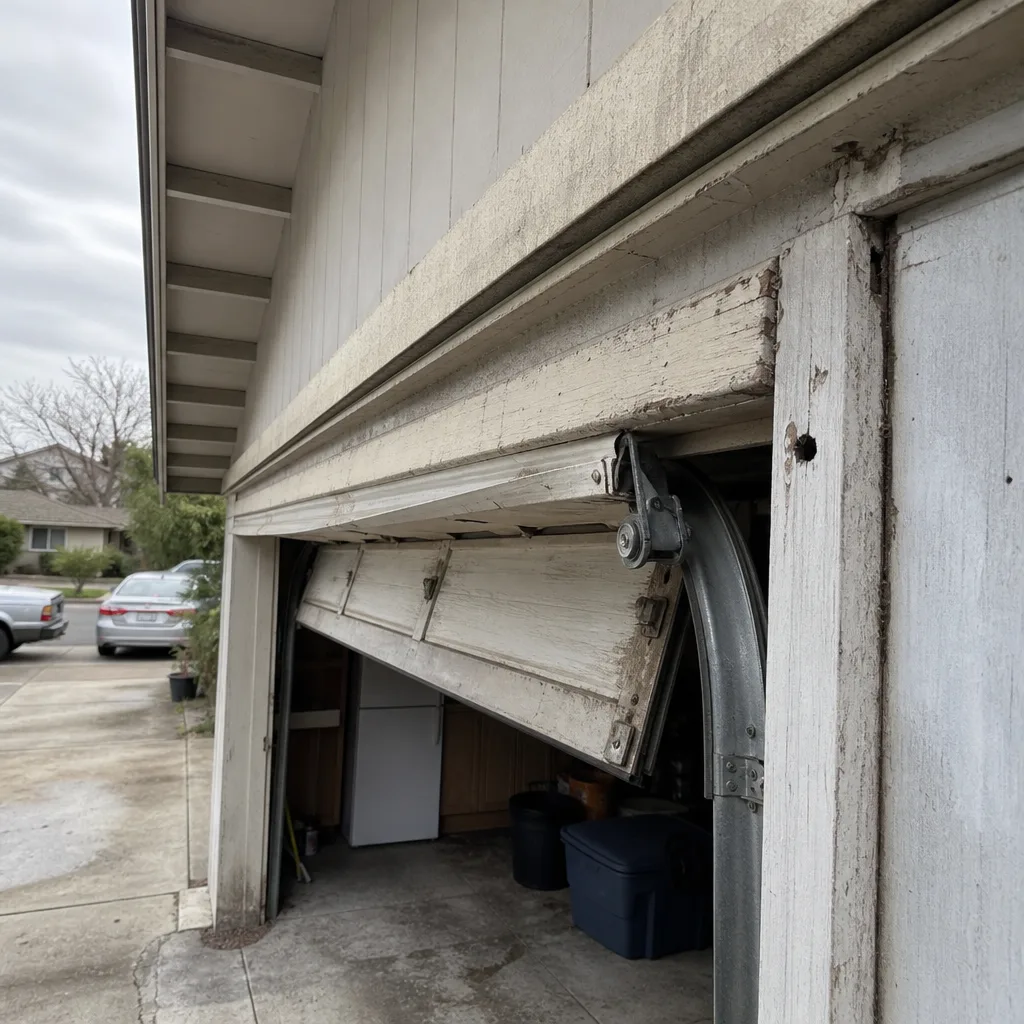 Before
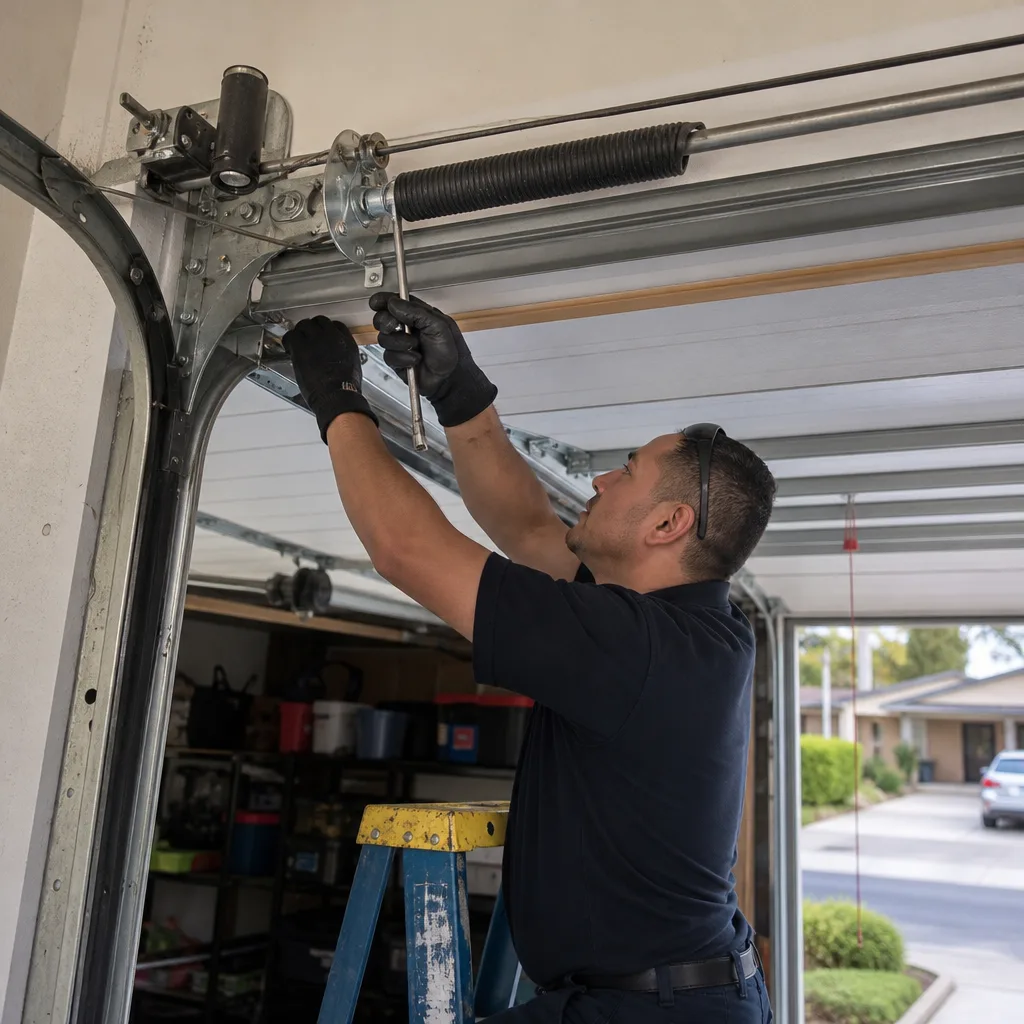 After
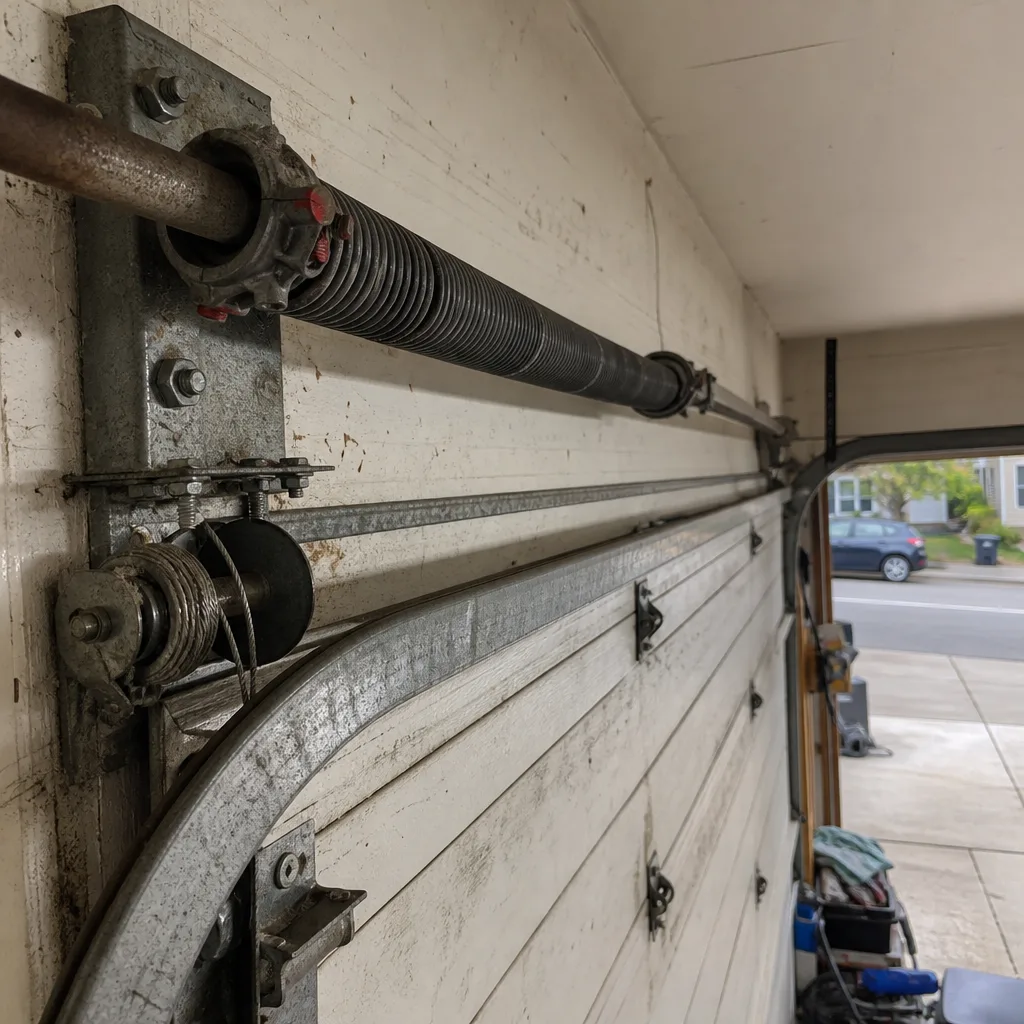 Before
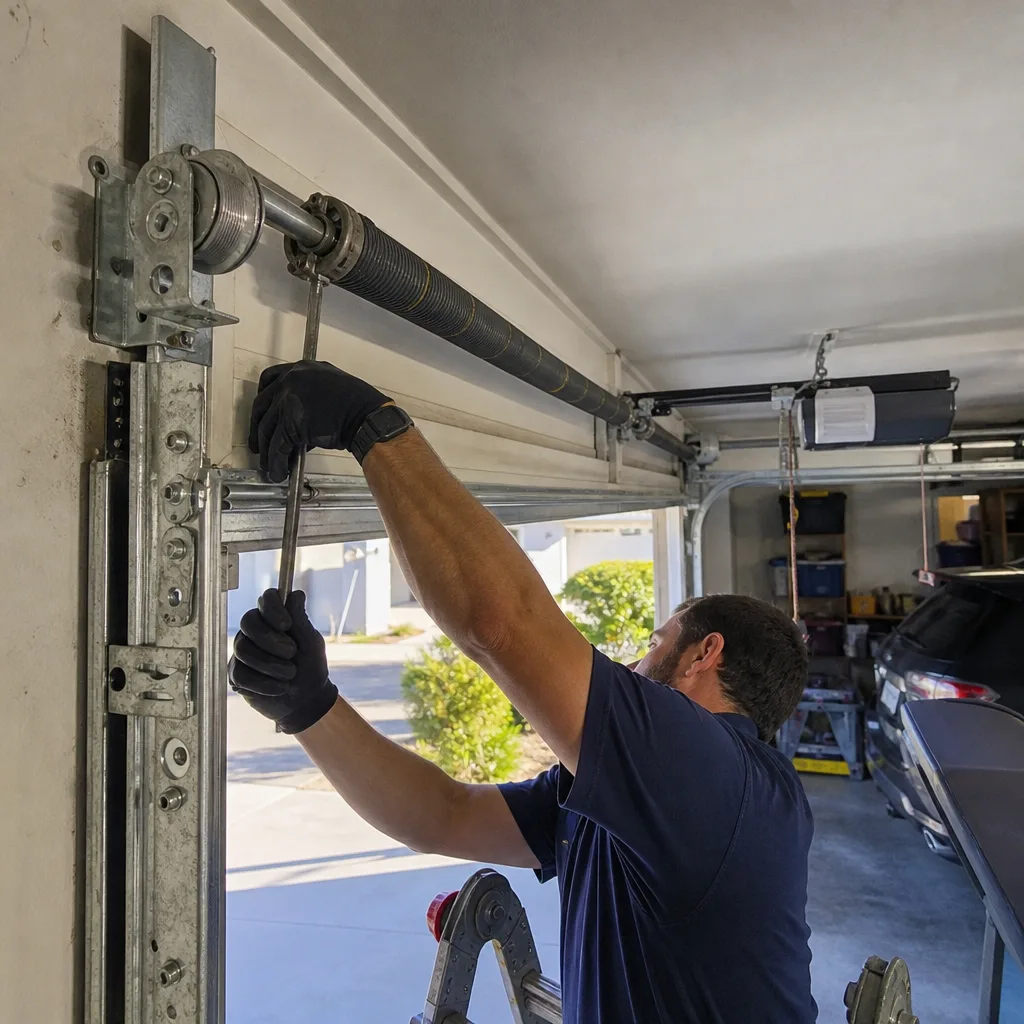 After